Zaporizhzhia NPP Loses External Power Supply Again Amidst Strategic Energy Control Efforts
The Zaporizhzhia nuclear plant, under Russian control, faces repeated power outages amid infrastructure moves to integrate it into Russian energy networks.
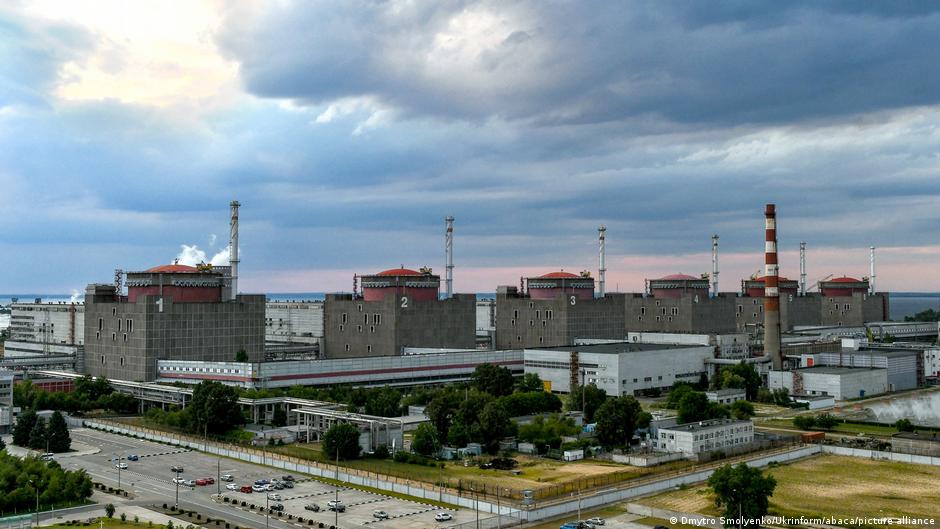
The Zaporizhzhia Nuclear Power Plant (NPP), currently controlled by Russian forces, has suffered the loss of its external power supply for the 23rd time since the full-scale conflict in Ukraine began. This recurring event underscores the ongoing challenges in securing reliable energy infrastructure amid the complex geopolitical and military landscape surrounding the facility.
International Atomic Energy Agency (IAEA) Director General Rafael Grossi reported on August 1 that the plant’s critical reactor cooling systems and other essential operations relied on emergency diesel generators for nearly two hours during the outage. The root cause behind the failure of the last remaining external power line remains unclear, complicating efforts to stabilize the plant’s operations.
Strategic Implications and Infrastructure Developments
Zaporizhzhia NPP, situated in the city of Enerhodar in southeastern Ukraine, has been under Russian military control since April 2022. The site has since become a focal point in the broader contest for energy dominance in the region. The IAEA also noted increased military activity near the plant and the broader area, as well as significant disruptions to internet and water supply services, which compound the risks to nuclear safety.
From a corporate and strategic perspective, analyses from Greenpeace Ukraine reveal ongoing efforts by Russian authorities to extend high-voltage transmission lines along the M18 corridor, connecting Melitopol to Henichesk—both cities under Russian control. This infrastructure development appears designed to integrate Zaporizhzhia NPP into the energy grids of annexed Ukrainian territories, including Crimea, as well as southern Russian regions.
According to Greenpeace nuclear energy specialist Jan Vande Putte, the Russian state corporation Rosatom views Zaporizhzhia as a cost-effective alternative to constructing new nuclear reactors in the Rostov and Krasnodar regions of Russia. This approach reflects a strategic emphasis on leveraging existing nuclear assets over new capital-intensive projects, potentially shaping future energy policy and regional power dynamics.
"Rosatom is considering Zaporizhzhia as a cheaper alternative to building new nuclear reactors in Russia’s southern regions," explained Jan Vande Putte, Greenpeace Ukraine’s nuclear expert.
However, this strategic plan has encountered operational setbacks. Notably, in early July 2024, a Ukrainian drone strike targeted an electrical substation in Henichesk, temporarily disrupting efforts to connect the Zaporizhzhia plant to Russian energy systems. Such actions highlight the contested nature of energy infrastructure amid ongoing conflict.
Business and Security Challenges Ahead
The repeated interruptions to the Zaporizhzhia NPP’s power supply reflect both the volatile security situation and the technical challenges of operating a major nuclear facility in a war zone. For energy companies, government stakeholders, and investors, the situation exemplifies the risks associated with geopolitical conflict influencing critical infrastructure management.
Moreover, the plant’s integration into Russian-controlled energy networks raises complex questions about market control, energy supply security, and the legal status of assets in contested territories. Corporate strategies by entities such as Rosatom must navigate these multifaceted regulatory, security, and reputational risks.
From a broader competitive landscape perspective, the Zaporizhzhia case illustrates how energy infrastructure can become a strategic asset and battleground in regional conflicts, with implications for energy markets and regional stability for years to come.