US Special Envoy Whitcoff Travels to Switzerland for Critical Iran Negotiations Amid Regional Conflict
Whitcoff leads US delegation to Switzerland for resumed talks with Iran following delays linked to Lebanon ceasefire demands and strategic disagreements.
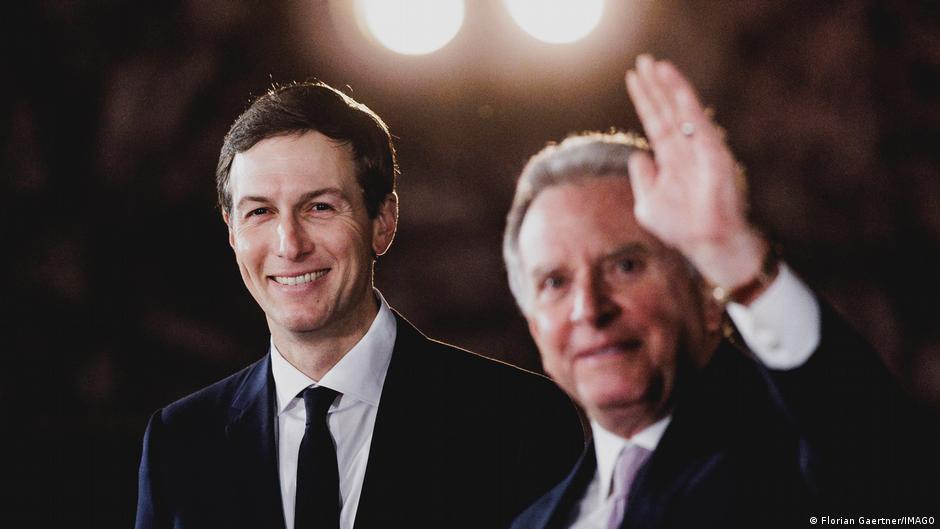
US Special Envoy Stephen Whitcoff has departed for Switzerland to engage in a crucial round of negotiations with Iranian representatives, marking a significant step in ongoing efforts to revive the stalled nuclear agreement between Washington and Tehran.
Originally scheduled for June 19, the talks were postponed amid escalating military activity in southern Lebanon involving Hezbollah, an Iranian-backed Shiite militant group, which disrupted initial plans for a bilateral meeting and the signing of a memorandum of understanding (MoU) designed to pave the way for peace negotiations.
Strategic Mediation Efforts and Regional Dynamics
Joining Whitcoff in Switzerland is Jared Kushner, son-in-law of former US President Donald Trump and a key White House figure, highlighting the administration's high-level commitment to these diplomatic efforts. Additionally, the arrival of Qatar’s Prime Minister Sheikh Mohammed bin Abdulrahman Al Thani— a critical intermediary between the US and Iran— underscores the complex multilateral nature of the talks.
Iranian Foreign Minister Abbas Araghchi was expected to arrive in Switzerland on June 20, though sources suggest this timeline remains tentative, contingent on developments in the region and internal Iranian considerations.
"The Iranian side has emphasized the 'critical importance' of a ceasefire in Lebanon before advancing negotiations," a diplomatic source revealed, indicating Tehran’s strategic insistence on regional stability as a precondition for substantive dialogue.
This stance reflects Iran's broader approach to leverage regional conflict dynamics in pursuit of favorable terms, underscoring the interconnectedness of Middle East political landscapes and nuclear diplomacy.
Memorandum of Understanding and Negotiation Framework
The planned MoU, initially agreed upon remotely on June 17, was intended to halt hostilities along multiple frontlines, including Lebanon, and initiate a 60-day negotiation window to finalize a comprehensive peace agreement. The document also reportedly includes provisions for substantial financial commitments to Iran, including a $300 billion fund for reconstruction sourced from private investments, alongside the unblocking of $24 billion in Iranian assets.
However, the resumption of fighting in southern Lebanon and the absence of US Vice President David James Vance—who declined to attend the initial talks—have complicated the negotiation landscape. The US administration is thus navigating both internal political challenges and volatile external conditions that impact the feasibility of reaching a diplomatic breakthrough.
US President Donald Trump publicly criticized Iran for delaying the talks, asserting on social media that it was Tehran, not Washington, that postponed the meeting and underscoring a hardline stance against any financial concessions to Iran during the negotiation period.
These developments highlight the delicate balance of diplomatic strategy, regional security concerns, and domestic political considerations shaping the US-Iran negotiation process. Corporate and geopolitical stakeholders closely monitoring this evolving context should anticipate potential impacts on global energy markets, regional investment climates, and broader Middle Eastern geopolitical stability.