US Lifts Blockade of Strait of Hormuz, Signaling Strategic Shift in Iran Relations
The US ends its naval blockade of the Strait of Hormuz, initiating a 60-day negotiation period toward a comprehensive peace agreement with Iran.

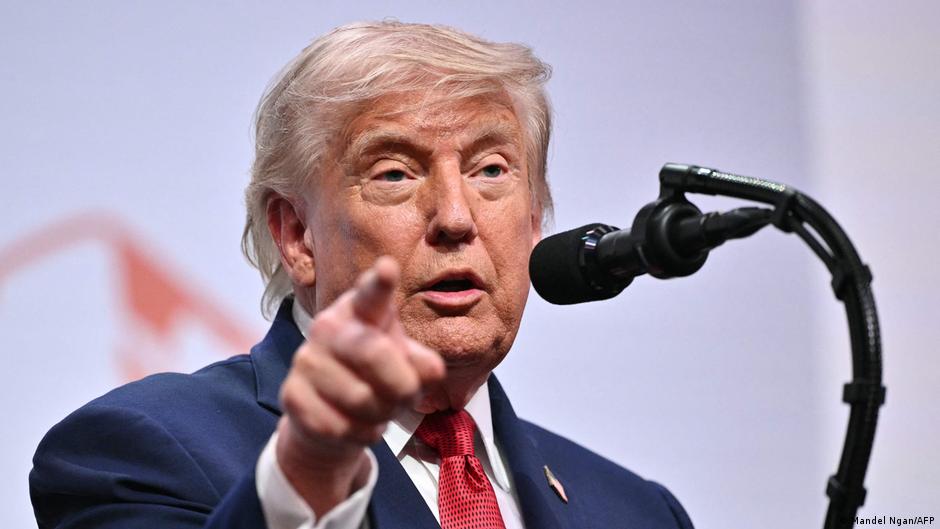
The United States has officially lifted its blockade of the Strait of Hormuz, a critical maritime chokepoint, following an executive directive from President Donald Trump. This move, announced by the US Central Command (CENTCOM) on June 18, marks a significant shift in American strategy in the Gulf region amid ongoing tensions with Iran.
Strategic and Economic Implications of the Blockade Lift
According to a CENTCOM statement on social media, US forces will no longer interfere with vessels entering or exiting Iranian ports through the Strait. However, American naval forces will remain deployed in the area to ensure adherence to the terms of a newly signed memorandum of understanding.
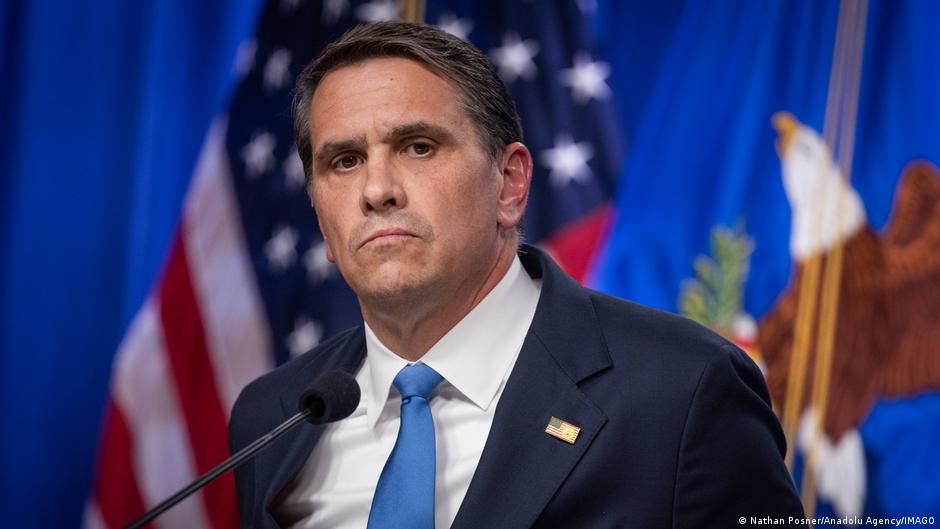
US Vice President David James Vance highlighted the immediate logistical and economic impact of this policy reversal at a briefing on June 18. He reported that within a 24-hour period, maritime traffic through the Strait carried 12.5 million barrels of oil, the highest volume recorded since the onset of US and Israeli hostilities against Iran on February 28. This surge in oil transit underscores the strategic importance of the Strait to global energy markets and the broader geopolitical landscape.
Vice President Vance also noted a de-escalation in maritime hostilities, with Iranian forces refraining from attacks on vessels for two consecutive nights, signaling a tentative improvement in regional security.
"All actions by US armed forces to enforce the blockade have ceased, while our powerful naval assets will remain stationed to ensure full compliance with the agreement," CENTCOM stated.
The normalization of maritime passage through the Strait is part of a broader diplomatic initiative. Washington and Tehran commenced a 60-day negotiation period immediately after the remote signing of a memorandum of understanding aimed at resolving longstanding conflicts.
Details of the Memorandum and Future Prospects
The memorandum, consisting of 14 points, stipulates an immediate ceasefire across all conflict fronts and the removal of the naval blockade. It also lays out provisions for the lifting of US oil sanctions on Iran and the withdrawal of American troops from areas surrounding the Islamic Republic.
Economically, the agreement facilitates a substantial financial package to support Iran’s reconstruction efforts. This includes access to a $300 billion private investment fund, the unblocking of $24 billion in Iranian assets, and sets a framework for ongoing negotiations to finalize a comprehensive peace and nuclear agreement within 60 days.
Iran has committed to foregoing nuclear weapons development, a critical point of contention in prior diplomatic efforts. The memorandum accelerates planned face-to-face talks originally scheduled for July 19 in Switzerland, with high-level delegations from both countries, including Vice President Vance and Iranian Parliament Speaker Mohammad Bagher Ghalibaf, poised for upcoming discussions.
This strategic realignment indicates a potential thaw in US-Iran relations, with significant implications for regional stability, energy security, and the global geopolitical balance. The management decisions behind lifting the blockade highlight a nuanced approach to combining military presence with diplomatic engagement, aiming to secure American interests while reducing conflict risks.