US Military Sustains Ten-Day Offensive Against Iran Targeting Strategic Defense Systems
CENTCOM reports continued US strikes on Iranian military infrastructure amid escalating regional conflict
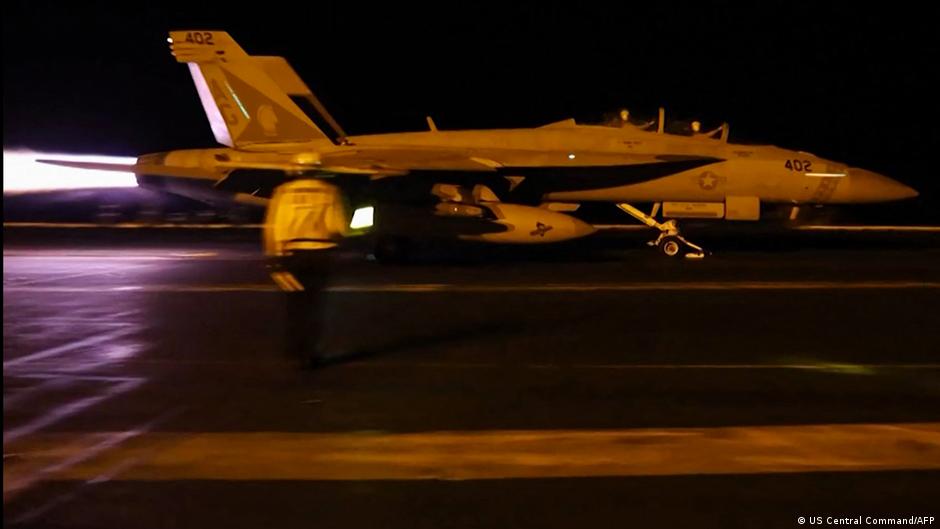
The United States military has conducted a sustained wave of attacks against Iranian targets for the tenth consecutive day, focusing on Iran's air defense systems and launch sites for missiles and drones. The Central Command of the US Armed Forces (CENTCOM) announced that the latest operations, initiated on July 20, are intended to further degrade Iran's military capabilities used in hostile actions against civilian maritime vessels in the Strait of Hormuz.
Strategic Targets and Escalation Dynamics
The strikes, launched at 4:00 PM Eastern Time (10:00 PM Central European Time), targeted key command centers, missile and drone launch facilities, and air defense installations. CENTCOM later confirmed the completion of this operational phase, emphasizing the intent to disrupt Iran’s ability to threaten commercial shipping and US interests in the region.
Iran responded with retaliatory missile and drone strikes in the Persian Gulf region. Reports from Kuwait and Jordan indicated that these countries faced attacks, underscoring the expanding scope of the conflict. This escalation follows Iran's annulment of a tentative ceasefire agreement with Washington, initially established in June to pave the way for a comprehensive peace deal within 60 days.
"These strikes are designed to further weaken Iran’s military potential used to attack civilian vessels in the Strait of Hormuz," CENTCOM stated.
In the context of rising tensions, US President Donald Trump issued a stern warning against Iran, promising "multiple" reprisals for any future American military casualties. Speaking via his social media platform, he communicated orders to Defense Secretary Pete Hegseth to prepare for significant retaliatory actions. Trump framed the ongoing strikes as a tribute to fallen US soldiers, reflecting the administration's approach to the conflict as one of measured but decisive military pressure.
Since the conflict intensified earlier this year, CENTCOM has reported 17 American military fatalities, including three in the recent surge of hostilities. The Iranian Revolutionary Guard Corps (IRGC) announced the seizure of two oil tankers near the Strait of Hormuz, accusing them of attempting illegal passage, with both vessels reportedly destroyed in the incident. These developments have contributed to disrupted shipping traffic through one of the world's most critical maritime chokepoints, with vessel transits dropping dramatically over the past weekend.
Implications for Regional Stability and Corporate Interests
The persistent US military campaign against Iran reflects a strategic determination to maintain dominance over the Strait of Hormuz, a vital artery for global oil shipments. The disruption of maritime traffic not only heightens geopolitical risks but also threatens to impact global energy markets and the operations of multinational corporations dependent on the secure flow of hydrocarbons.
Energy firms, shipping companies, and insurers must now navigate increased volatility and risk premiums associated with the Persian Gulf region. The ongoing military engagements and Iran’s assertive countermeasures underscore the fragile balance between military strategy and economic stability.
From a corporate strategy perspective, stakeholders in energy supply chains should reassess risk management frameworks and consider diversifying routes and sources to mitigate potential disruptions. Additionally, the conflict highlights the geopolitical challenges facing companies operating in or near contested zones, emphasizing the need for agile response plans aligned with evolving security developments.