G7 Nations Announce New Sanctions on Russian Energy and Enhanced Military Aid to Ukraine
G7 leaders commit to intensifying sanctions on Russia’s oil and gas sectors and boosting Ukraine’s defense capabilities with advanced weaponry.
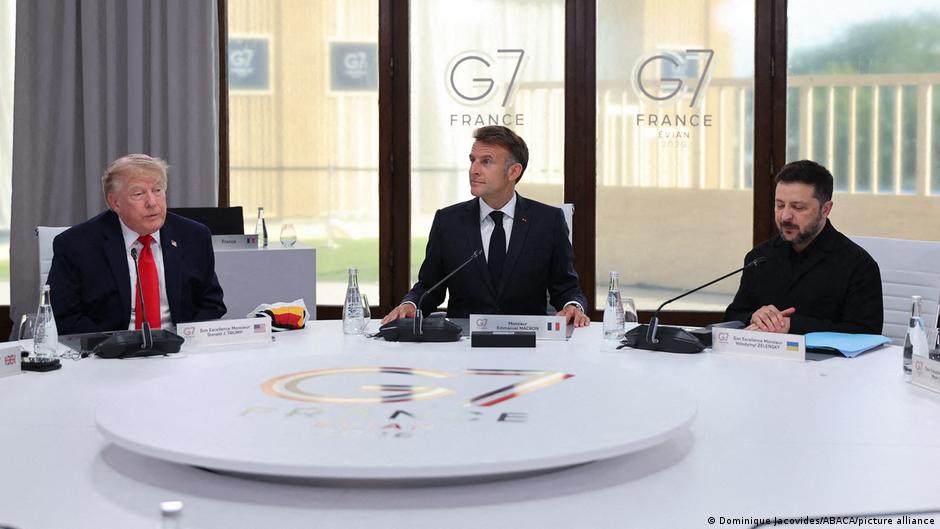
At the conclusion of their summit in Évian-les-Bains, France, G7 leaders unveiled plans for new sanctions targeting Russia's oil and gas industries amid ongoing geopolitical tensions. The declaration, issued in the early hours of June 17, underscores the group’s strategic intent to exert increased economic pressure on Russia’s military-industrial complex.
Strategic Economic Measures to Weaken Russia’s Military Economy
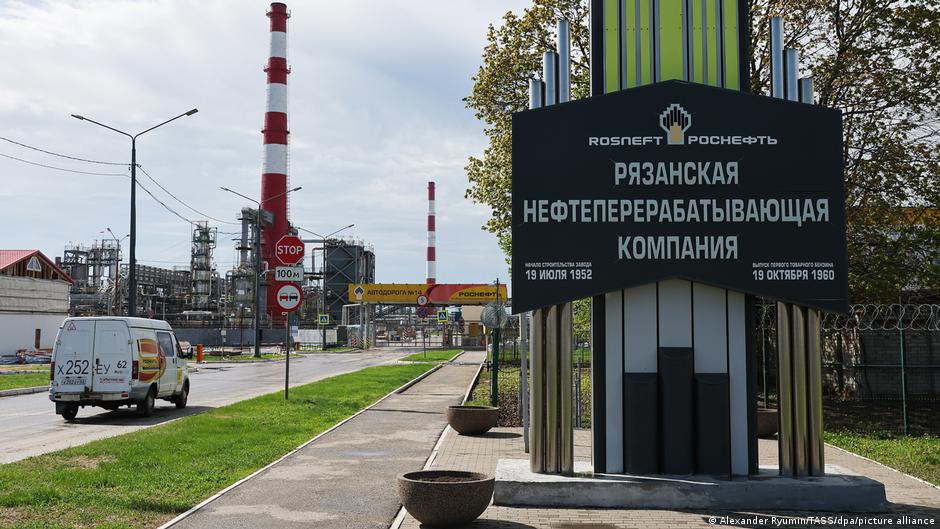
The leaders pledged to "strengthen pressure on Russia’s military economy" and specifically referenced enhanced sanctions against the energy sector, a critical revenue source for the Kremlin. This move is timed following a recent agreement brokered by former U.S. President Donald Trump with Iran to reopen the Strait of Hormuz, a vital artery for global oil and gas shipments, which may influence global energy dynamics.
"We are united in our unwavering support for Ukraine, defending its freedom, sovereignty, and territorial integrity," the statement reads.
The G7 highlighted their solidarity with Ukraine, recognizing the country’s resilience amidst attacks on critical infrastructure and cultural sites. They noted a "new dynamic" emerging on the battlefield, reflecting recent Ukrainian advances.
Enhancing Ukraine’s Defense Posture with Advanced Weaponry
To capitalize on this momentum, the G7 committed to increasing military aid to Ukraine, including air defense systems, interceptors, and long-range weapons. An important component of this support includes exploring licensing arrangements to expand domestic Ukrainian production of military equipment, potentially bolstering Ukraine’s defense industry and reducing dependency on external suppliers.
Furthermore, the G7 affirmed ongoing support in the energy sector to help Ukraine withstand the upcoming winter, an essential consideration given the country’s energy vulnerabilities amid the conflict.
Implications for the Global Energy Market and Corporate Strategies
These sanctions and military aid commitments will likely have significant impacts on global energy markets and the strategic calculations of multinational corporations operating within or in relation to Russian energy sectors. Companies involved in oil and gas trading, energy infrastructure, and defense industries may need to reassess their exposure and operational strategies in response to tightening restrictions and increased geopolitical risk.
For Ukraine, the potential expansion of domestic arms production under G7 support could stimulate growth in its defense manufacturing sector, attracting foreign investment and partnerships. This shift may represent a strategic pivot for Ukrainian industrial policy, emphasizing self-reliance and export potential amid ongoing conflict.
The G7 comprises Germany, the United States, the United Kingdom, France, Italy, Japan, and Canada — countries that collectively wield considerable economic and political influence. Their coordinated approach signals an escalation in the West’s response to the Russian-Ukrainian conflict with far-reaching consequences for international business and security dynamics.