US Sustains 11th Consecutive Night of Airstrikes on Iran Amid Rising Middle East Tensions
CENTCOM continues targeted strikes on Iranian military infrastructure as Tehran escalates attacks on US and allied forces in the Gulf region.
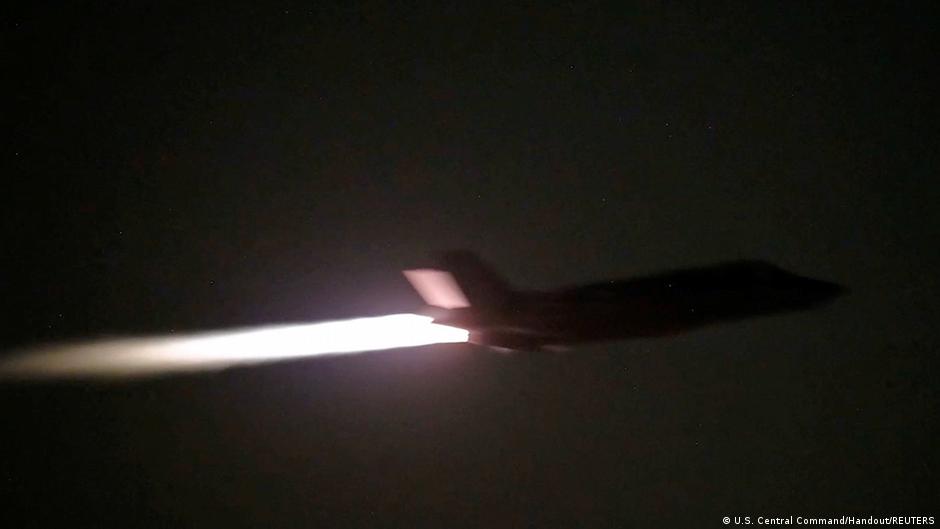
The United States Central Command (CENTCOM) announced a new wave of airstrikes on multiple Iranian targets, continuing military operations against Iran for the 11th consecutive night. The strikes, lasting 75 minutes, resumed on the evening of July 21, U.S. Eastern Time (early hours of July 22, Central European Time), signaling an intensification of the conflict in the Gulf region.
Strategic Military Campaign and Regional Impact
CENTCOM reported that the 11th nightly round of strikes successfully targeted Iranian military operational centers, naval forces, aviation hangars, unmanned aerial vehicle (UAV) storage facilities, and logistical infrastructure. The objective, according to the US military, is to degrade Iran's ability to threaten commercial shipping in the strategically vital Strait of Hormuz.
"CENTCOM forces struck critical military sites to further diminish Iran's capacity to disrupt maritime trade in the Strait of Hormuz," the command stated.
Over the past three months, Iran has been responsible for attacks on more than 30 merchant vessels transiting the Strait of Hormuz, a maritime chokepoint through which a significant portion of global crude oil exports pass. Despite ongoing hostilities, CENTCOM claims the strait remains open, facilitating the passage of approximately 900 commercial vessels and the transportation of 450 million barrels of crude oil since May.
However, data from the London Stock Exchange indicates notable variability in shipping traffic, with only four vessels recorded transiting on July 19 and eight on July 18, pointing to the conflict's disruptive effect on commercial shipping flows.
Escalation and Iranian Retaliatory Actions
On July 21, Iran reportedly launched coordinated missile and drone strikes against Camp Arifjan, a US military base located in Kuwait, a key logistical hub for American forces in the region. Kuwaiti authorities confirmed their air defense systems intercepted incoming threats, underscoring the heightened security environment in Gulf states hosting US assets.
The Islamic Revolutionary Guard Corps (IRGC) announced the "sixth wave" of its Nasr 2 operation, claiming attacks on American military facilities in Kuwait and Bahrain. These claims lack independent verification but suggest Tehran's intent to sustain pressure on US and allied forces through asymmetric warfare tactics.
Earlier, on July 20, Iran launched missile and UAV attacks in the Persian Gulf region as retaliation for prior US strikes. Countries including Kuwait and Jordan reported attacks consistent with Iranian capabilities. Notably, on July 18, Tehran declared the nullification of a framework ceasefire agreement established in June with Washington, which had aimed to broker a final peace settlement within 60 days.
US Political and Military Response
In the early hours of July 21, US President Donald Trump issued a stern warning on his social media platform, Truth Social, threatening "multiple" retaliatory responses for any further American military casualties. He emphasized that orders have been communicated to Defense Secretary Pete Hegseth to ensure robust countermeasures.
Since the onset of the current escalation, CENTCOM has reported the deaths of three US service members, bringing total US military fatalities in the conflict with Iran since late February to 17.
These developments indicate a significant intensification of hostilities, with both the United States and Iran adopting increasingly aggressive military postures. The continuing airstrikes and retaliatory missile and drone attacks complicate regional security dynamics, threatening the stability of global energy markets and affecting international shipping routes.