Italy Protests Put Cost Pressures and Defense Spending in Focus
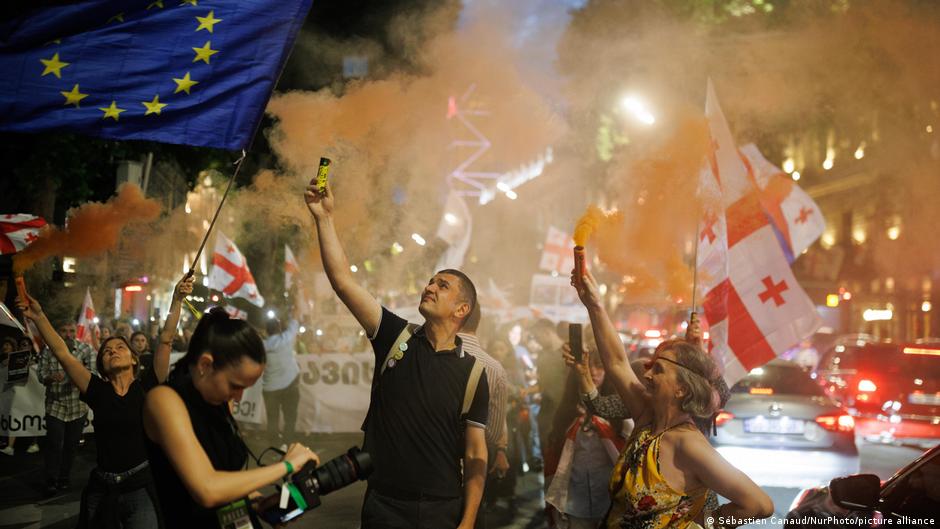
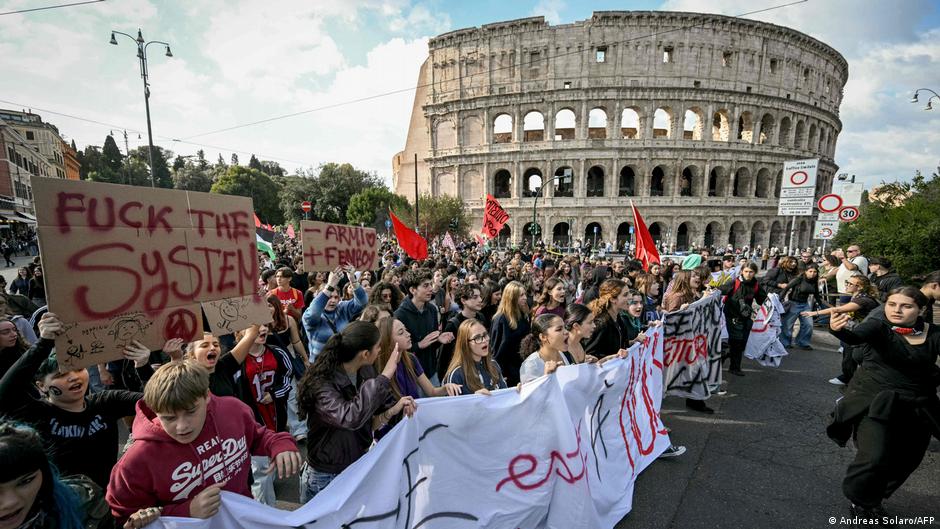
Italy’s nationwide strike and mass protests over housing, fuel and military spending highlight growing operational and workforce risks for businesses.

Italy’s nationwide strike and mass protests over housing, fuel and military spending highlight growing operational and workforce risks for businesses.

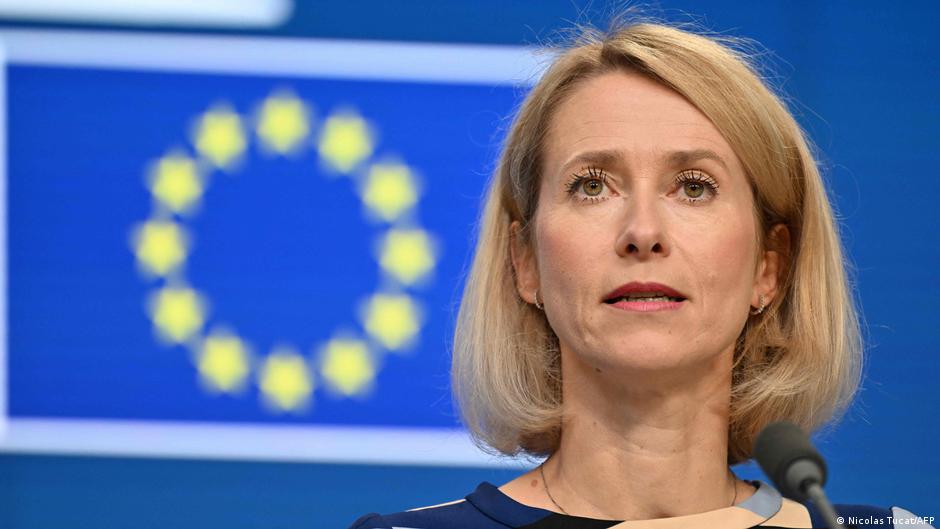
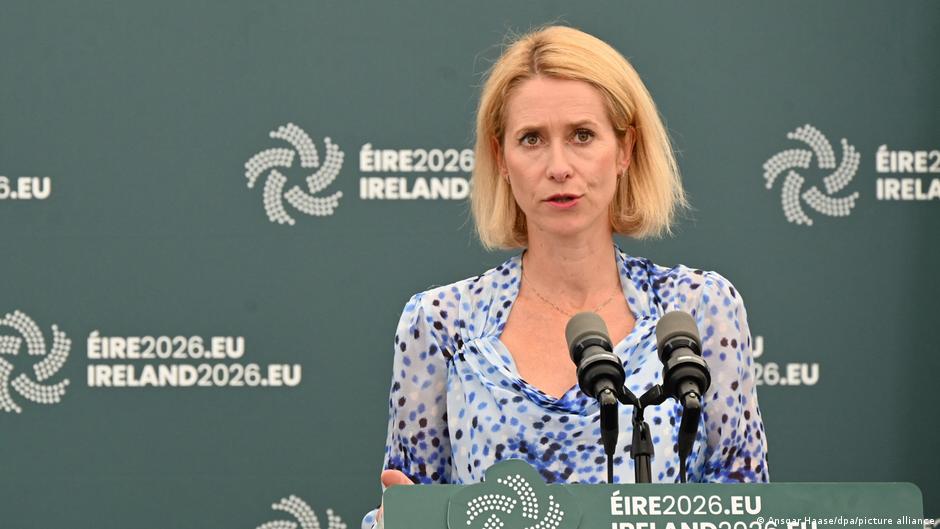
Kaja Kallas said Russia showed no readiness for Ukraine peace talks at the G20, as European officials reinforced a strategy of pressure without normalization.
The Pentagon watchdog’s refusal to investigate Starlink disruptions raises questions about SpaceX’s leverage, defense procurement resilience and government oversight.

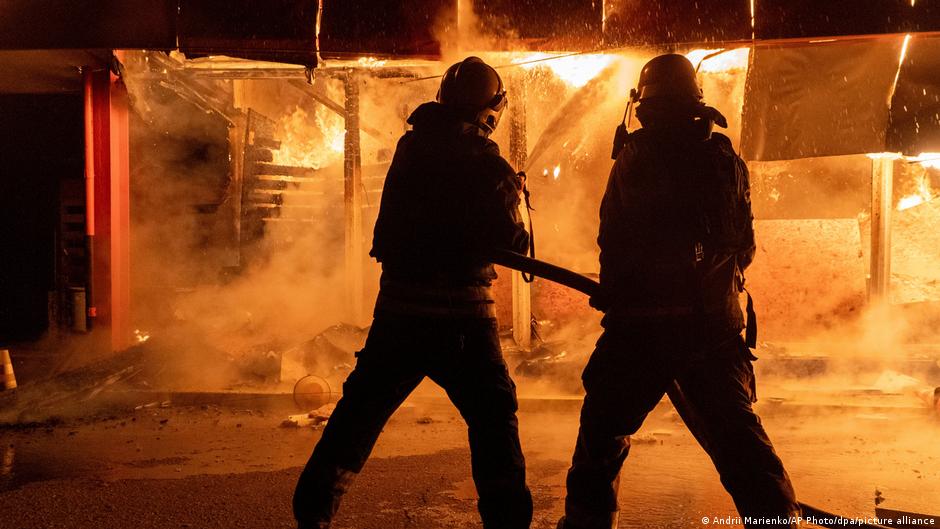
A Russian drone strike injured four people in Kharkiv and ignited an industrial building, underscoring growing risks to companies, workers and physical assets.

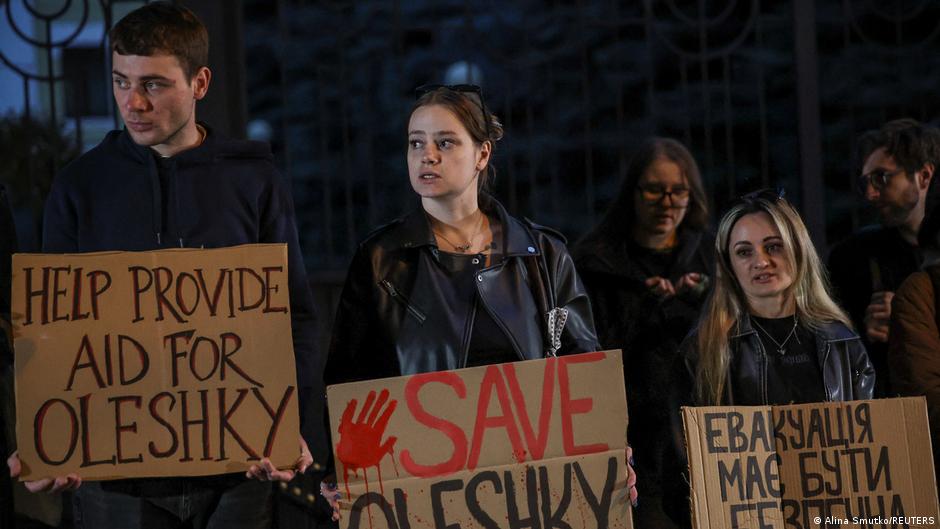
A bilateral truce around occupied Oleshky opens a narrow humanitarian corridor while testing coordination, mine clearance and independent oversight.

Georgia’s opposition has launched a new protest wave as a court weighs party bans, intensifying political and strategic risks ahead of a major November 28 rally.

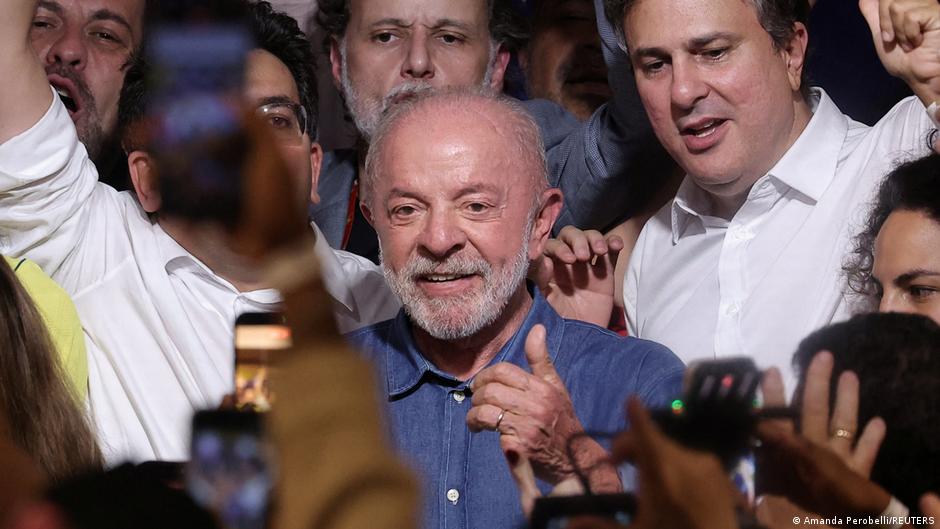
Lula won Brazil’s presidential runoff with 51.8%, but Flávio Bolsonaro’s demand to annul the result adds uncertainty for companies and investors.

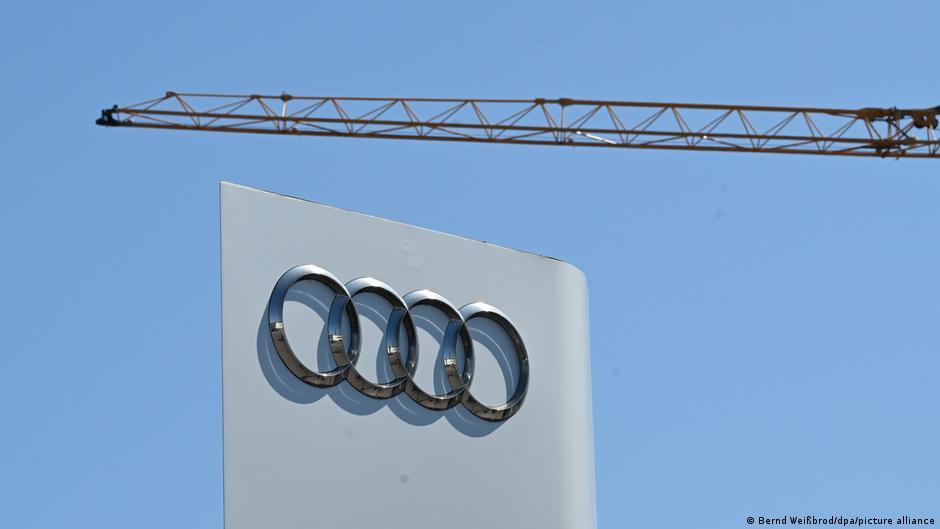
Audi will invest about $4 billion in a Georgia SUV plant as tariffs and falling U.S. sales push the Volkswagen brand toward localized production.

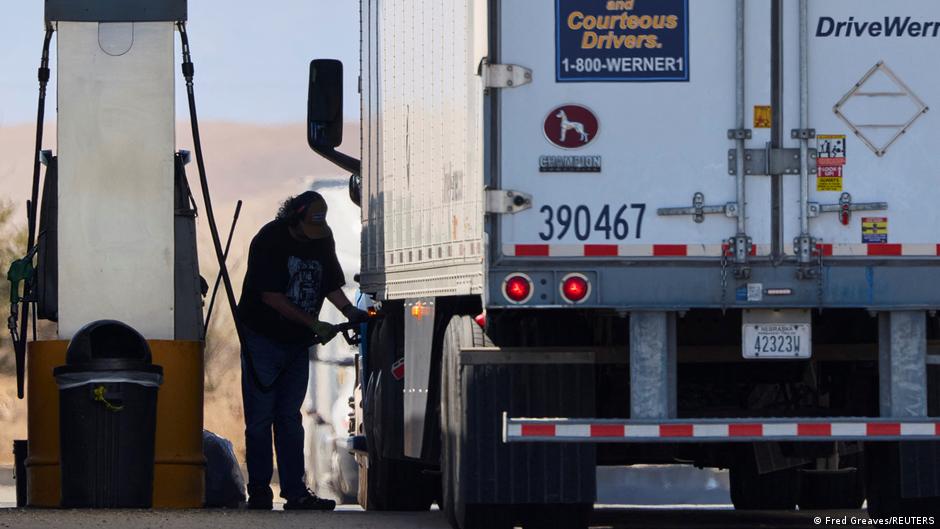
A bipartisan Senate group says easing sanctions on Russian diesel would fund Moscow’s war while offering little relief to U.S. fuel consumers.

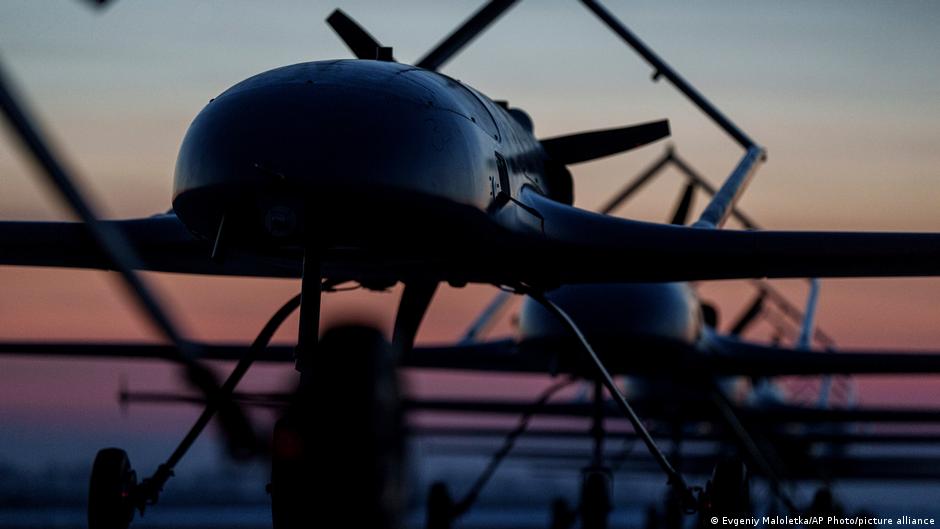
Russian officials said more than 100 drones heading toward Moscow were destroyed, triggering airport restrictions, flight diversions and regional disruptions.

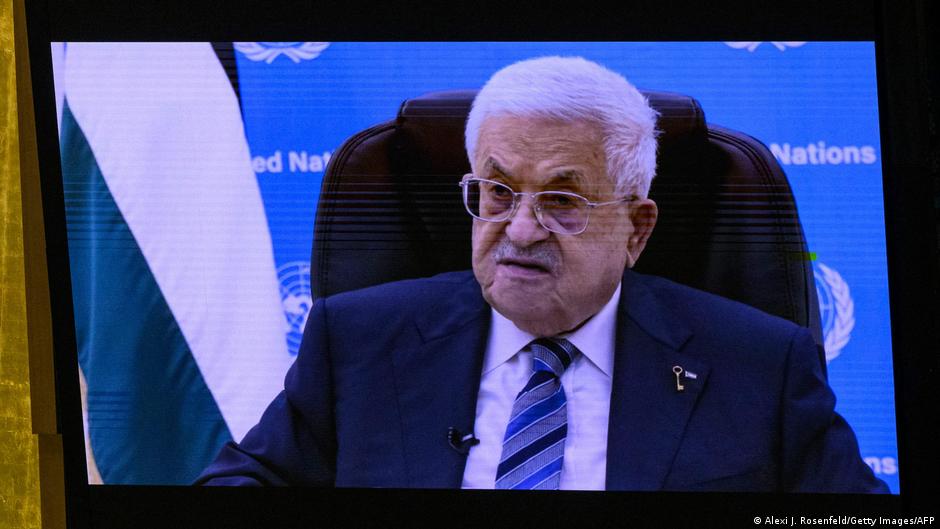
Mahmoud Abbas postponed Palestinian parliamentary and presidential elections to September 2027, extending governance uncertainty for the PA.

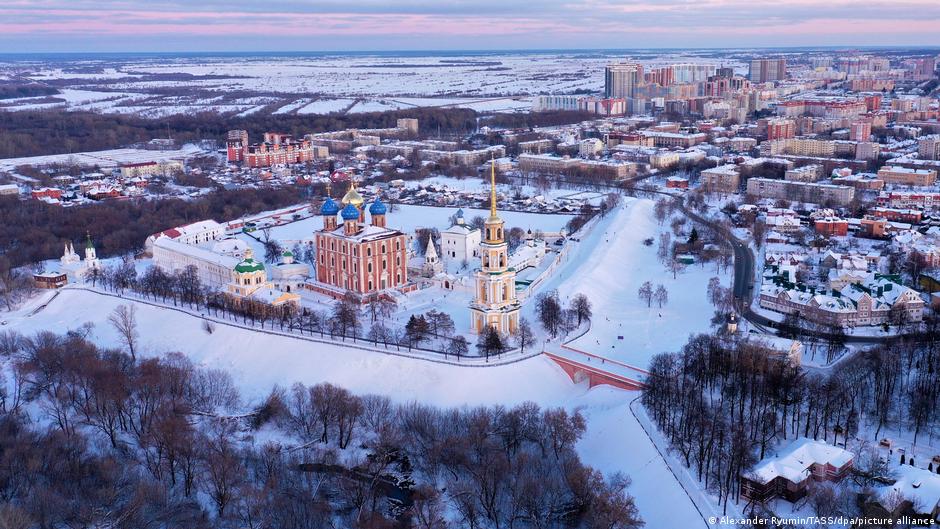
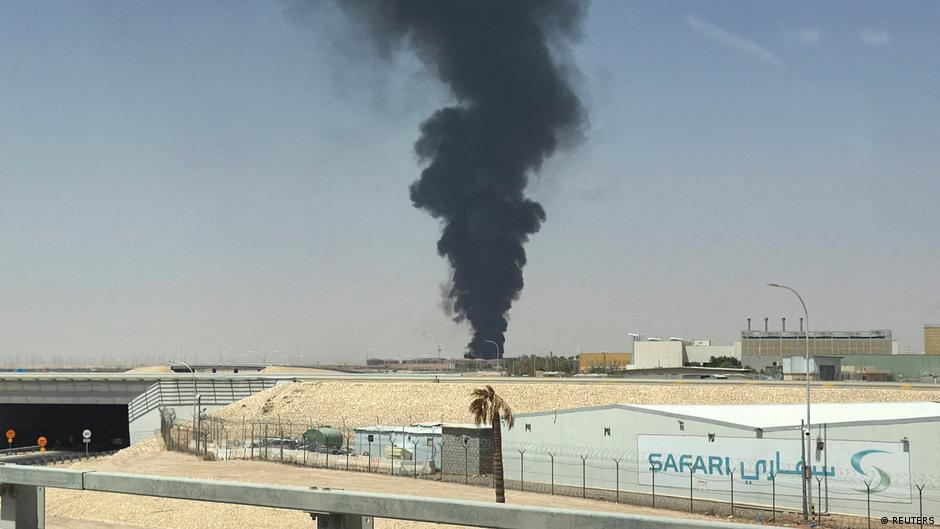
A reported fire at Sasta’s Ryazan-region site highlights the business risks where sanctioned manufacturing and cloud infrastructure intersect.

A tanker fire near Sochi has exposed the business risks facing Russian-linked oil shipping routes in the Black Sea.

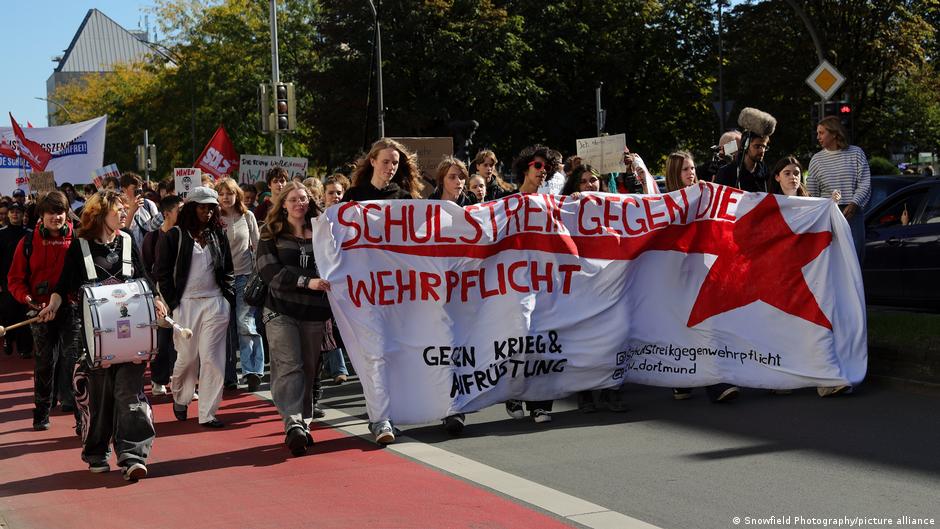
German refusal filings have tripled past 2025 levels as Berlin tries to expand the Bundeswehr while managing public resistance.

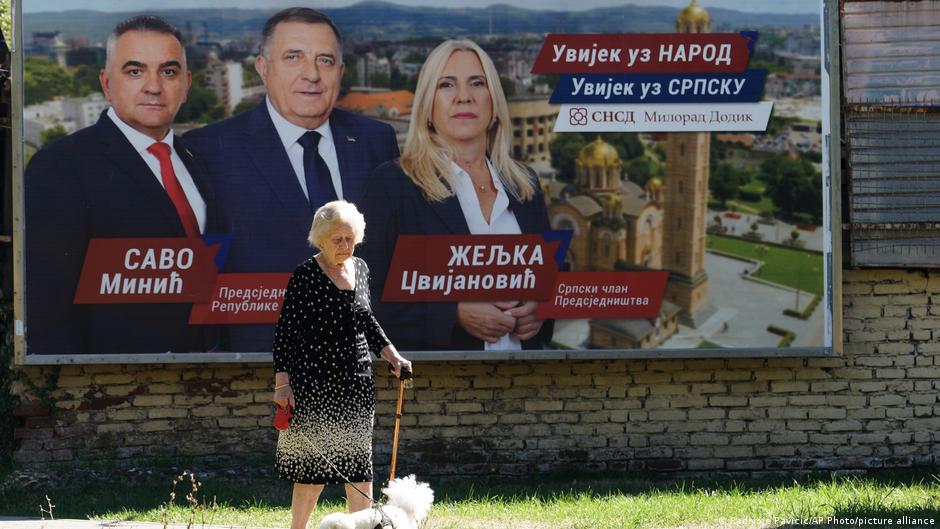
Preliminary results show governing parties and Dodik allies retaining key posts in Bosnia and Herzegovina, reinforcing continuity in a fragmented system.

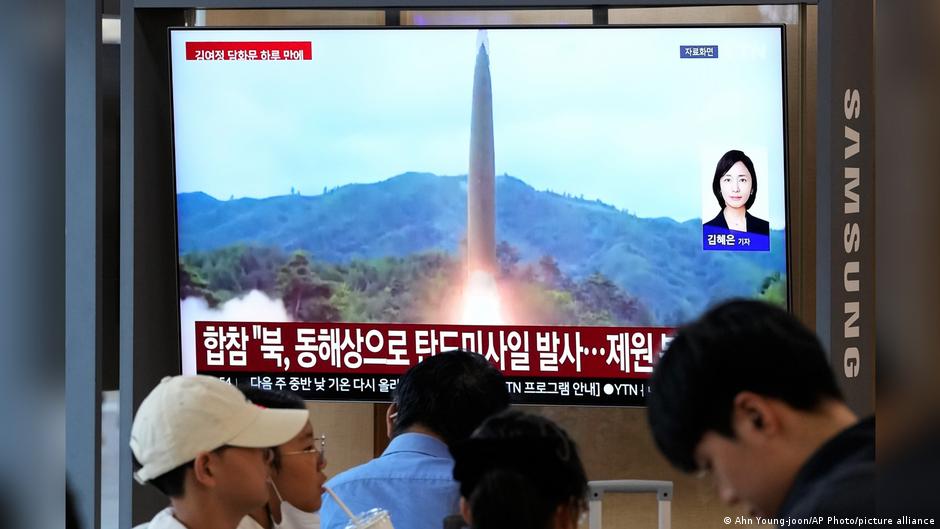
South Korea said North Korea fired at least one ballistic missile after a border blast injured three soldiers, raising regional security risk.

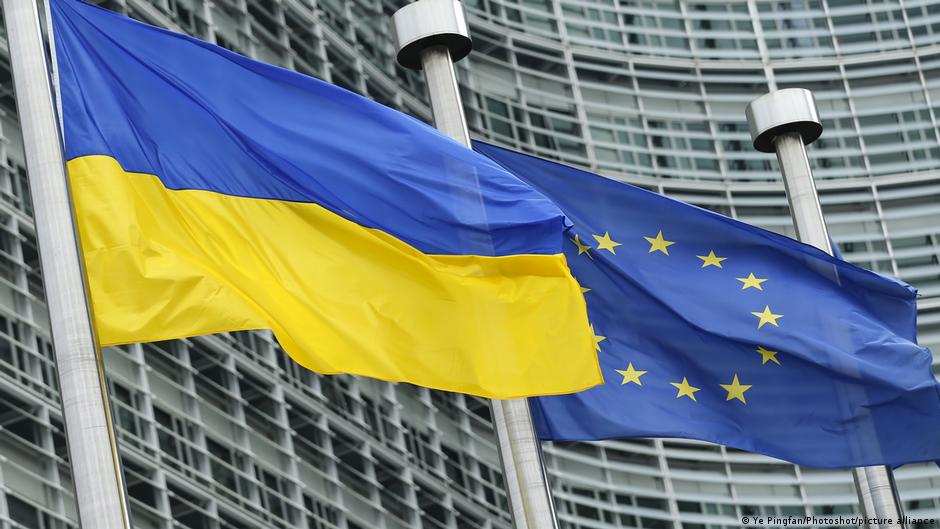
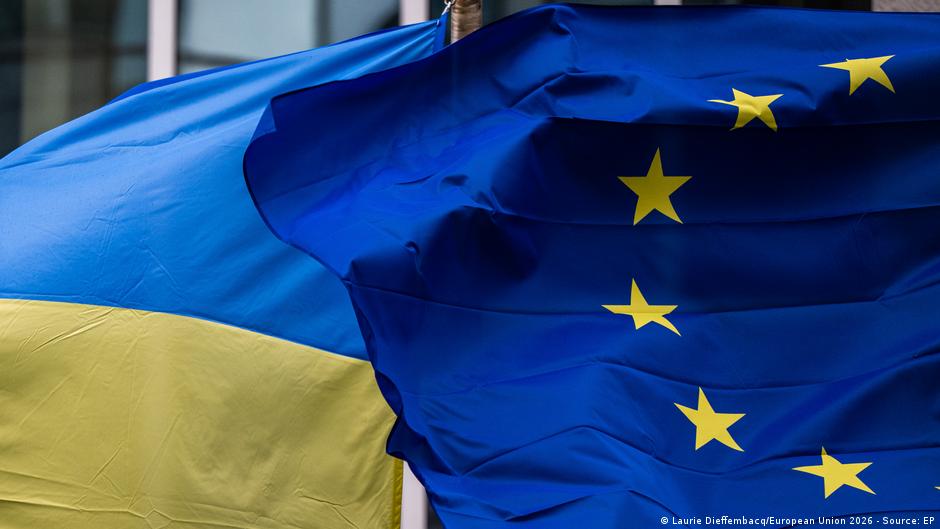
The EU declined to front-load part of Ukraine’s €90 billion loan, arguing that early disbursement would shift funding pressure into 2027.

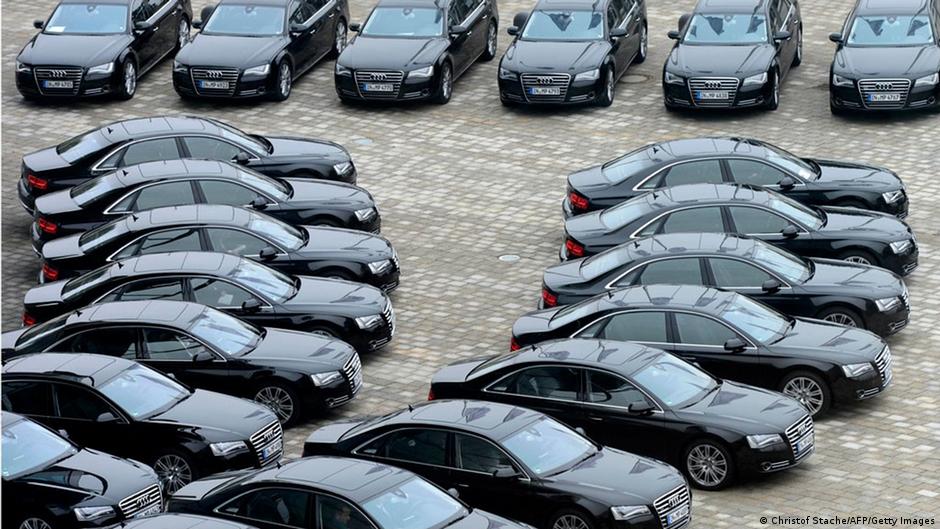
Raids in Germany and Austria point to tougher enforcement against alleged third-country routes for vehicle exports to Russia.

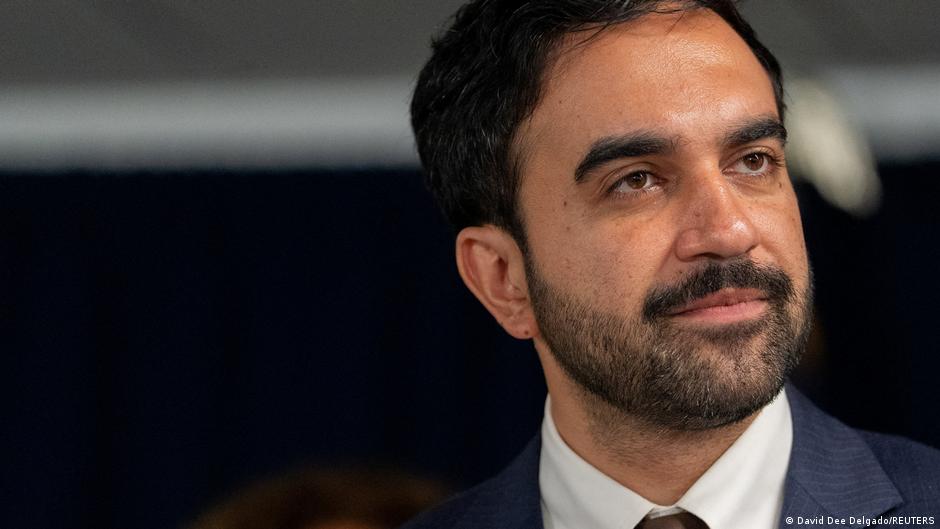
New York Mayor Zohran Mamdani is using a major hate-crime funding increase to address antisemitism while managing political and community risk.

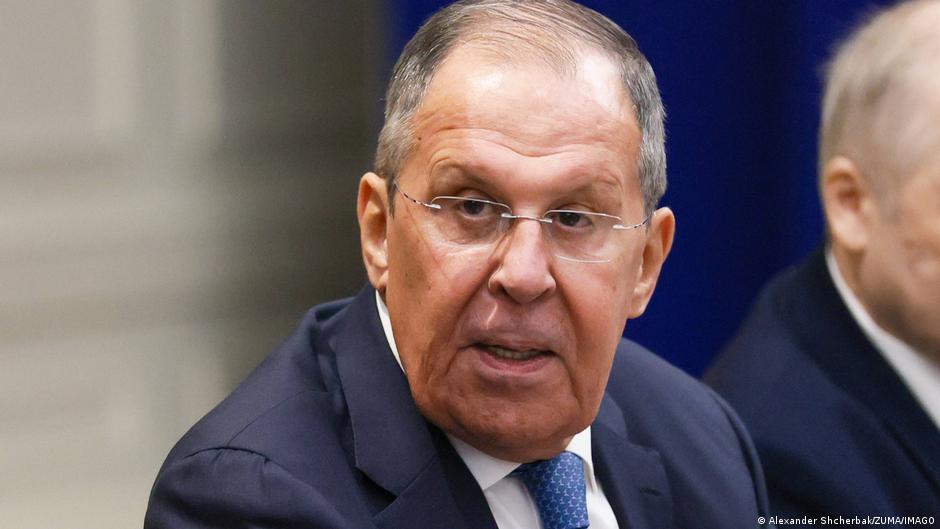
Russia says it will not pause its Ukraine campaign for talks, even as Lavrov and Rubio keep a senior diplomatic channel open in New York.

Kaja Kallas urged EU envoys to renew Russia sanctions as disputes over Alisher Usmanov and Mikhail Fridman test the bloc’s unity.
The Chemmani mass grave probe is becoming a test of Sri Lanka’s governance, legal credibility and postwar institutional strategy.

Saudi Arabia says it intercepted a Houthi missile aimed at Riyadh as attacks strain Aramco logistics, Yanbu exports and Red Sea shipping routes.

U.S. prosecutors allege a Russian state-linked network financed attacks and plotted killings, raising wider geopolitical risk concerns.

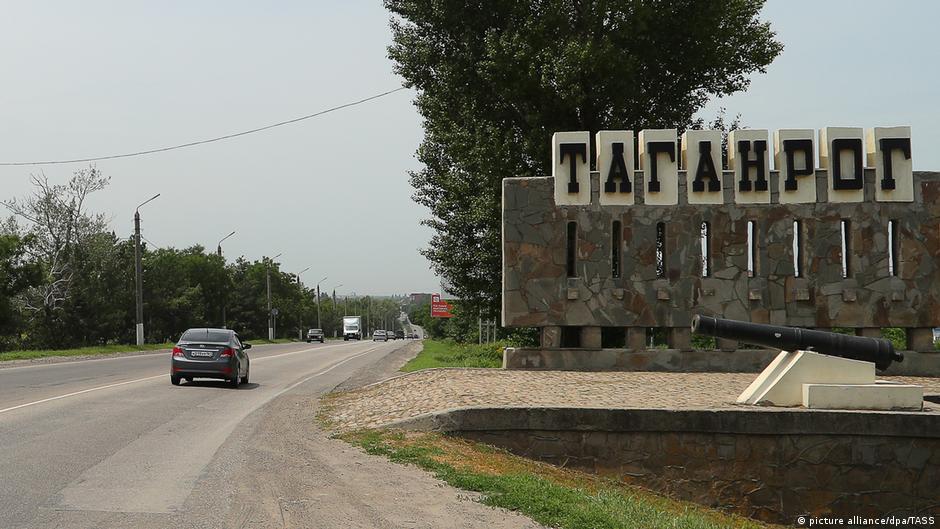
Strikes on Syzran and Taganrog expose rising risks for Russian refining, logistics and defense-linked industrial assets.

Georgia’s detention of Giorgi Baramidze adds to political and institutional risk concerns as former defense officials face criminal cases.

Kaja Kallas cancelled an EU defence expert group after German and Italian objections, exposing tensions over defence governance and NATO planning.

Latvia says a Leipzig sabotage suspect had been living in Russia, deepening a case with implications for logistics security, visas and EU sanctions policy.

Norway’s seizure of the Professor Molchanov gives Naftogaz fresh leverage in its campaign to enforce a $5 billion award over expropriated Crimean assets.

Germany’s closure of Russian facilities signals a broader strategy of constraining Moscow’s operational reach, not just issuing a diplomatic protest.

Washington reportedly told Moscow not to expect sanctions relief or wider economic deals before the war in Ukraine ends, reinforcing a hard-line policy stance.

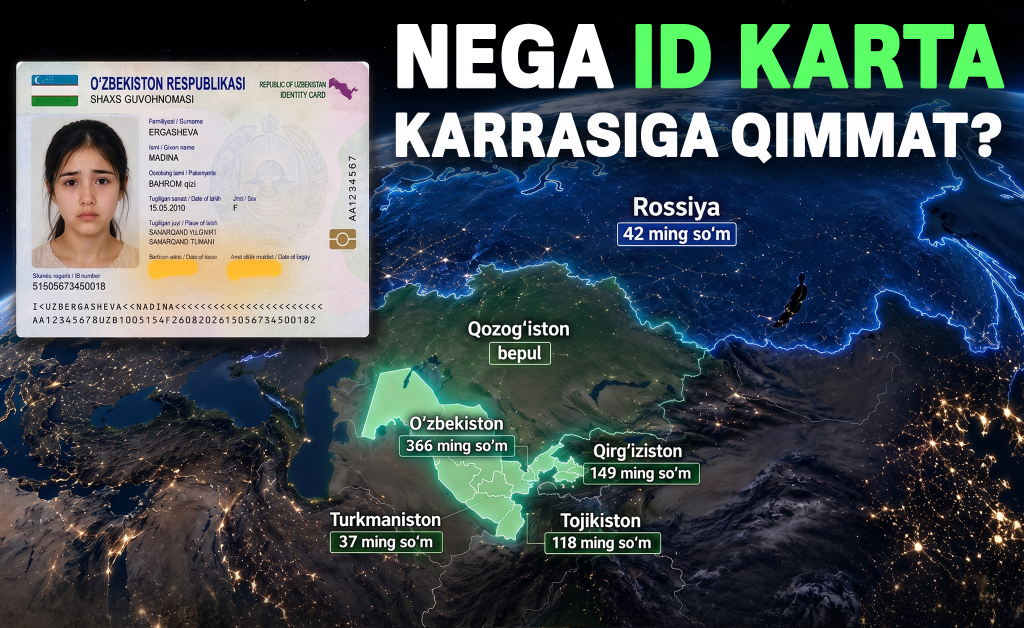
A social-media outcry over Uzbekistan's first ID card fee has widened into a policy test as regional peers charge less or waive first-time issuance.

Former pro-government Russian blogger Ilya Remeslo detained after criticizing Putin and undergoing psychiatric evaluation amid charges related to 'fake news' about the military.

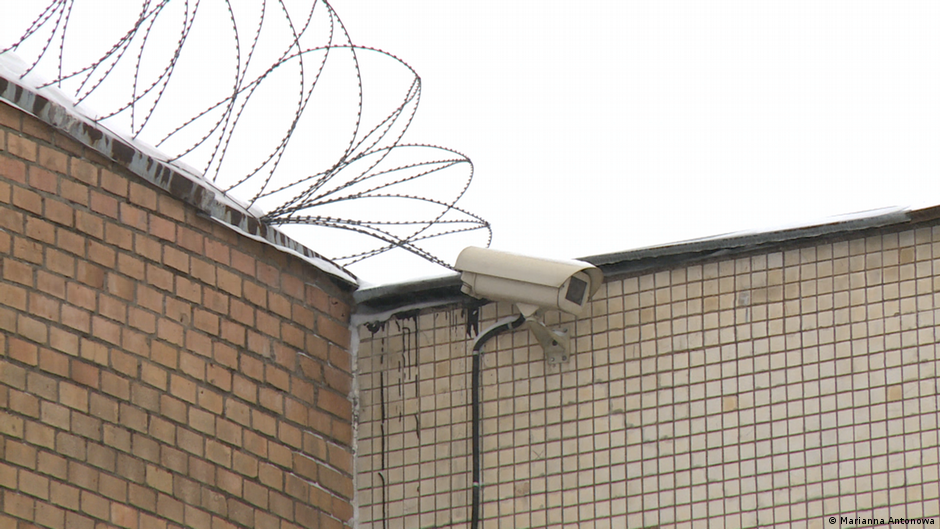
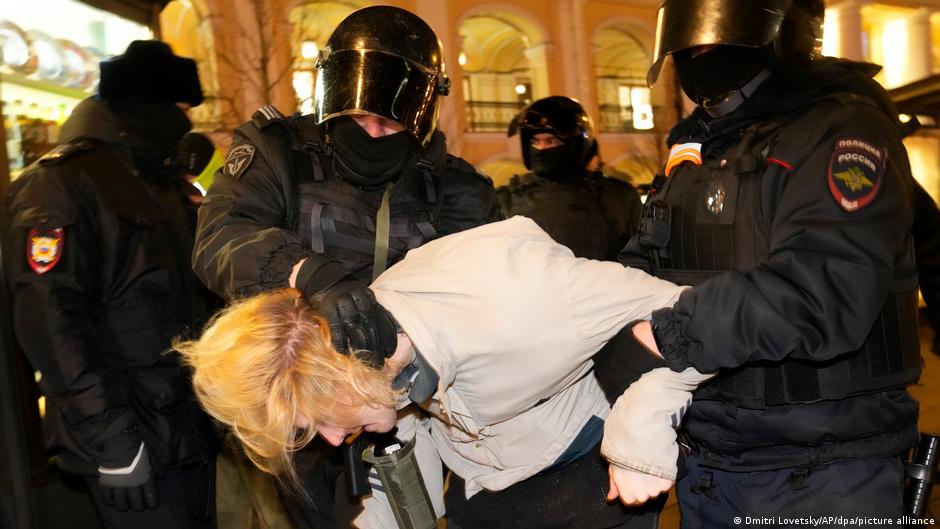
Nearly 100 people were detained during a raid on a secret music festival near Vyborg, Russia, over political songs and drug use allegations, highlighting risks for underground event organizers.

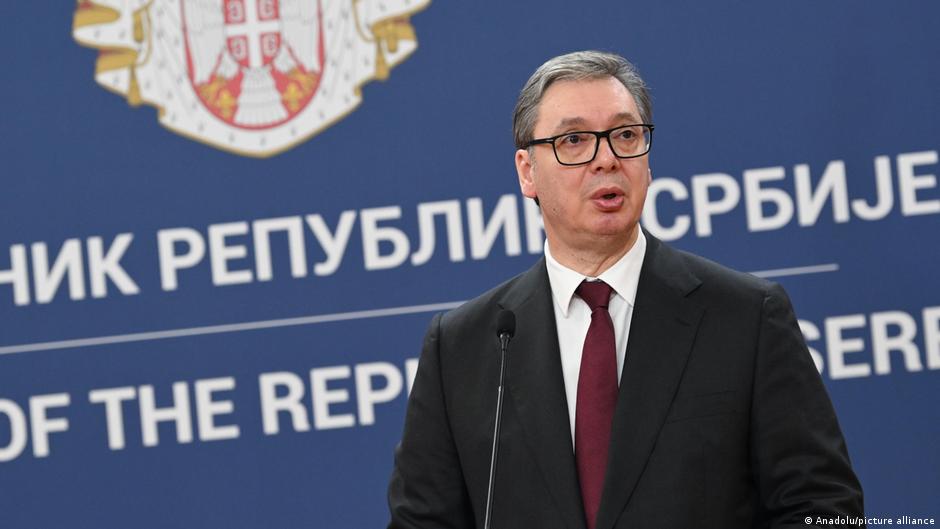
Serbia’s President Vučić announces early parliamentary elections in October 2023 amid protests and anti-corruption demands, signaling a major political shift.

NATO affirms its defense readiness following Iranian threats against military bases in Bulgaria and Cyprus amid rising US-Iran tensions.

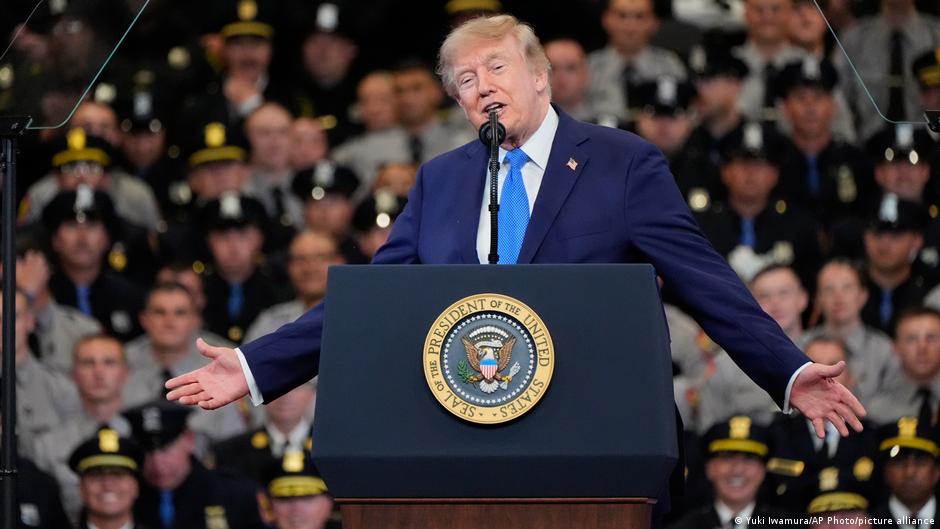
President Trump signals intent to declare the Strait of Hormuz US territory, implying indefinite military presence amid contested control with Iran impacting global oil supply.

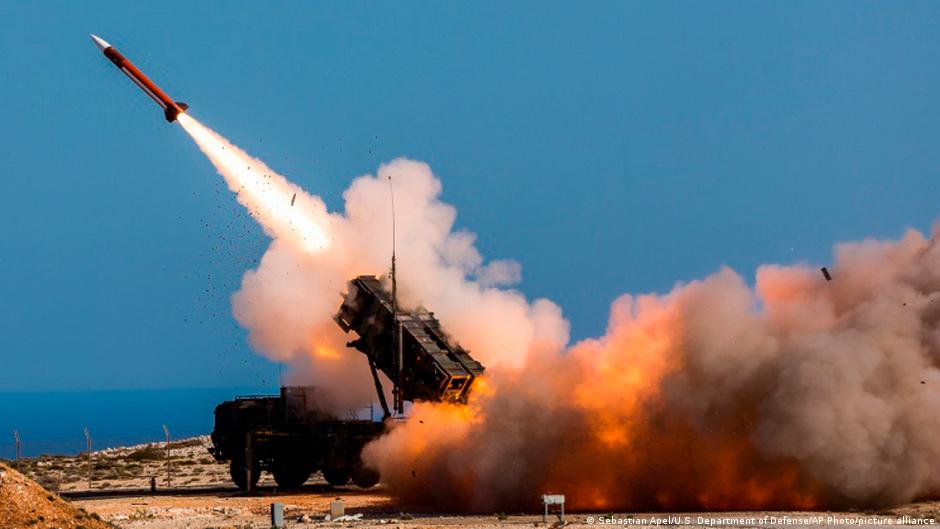
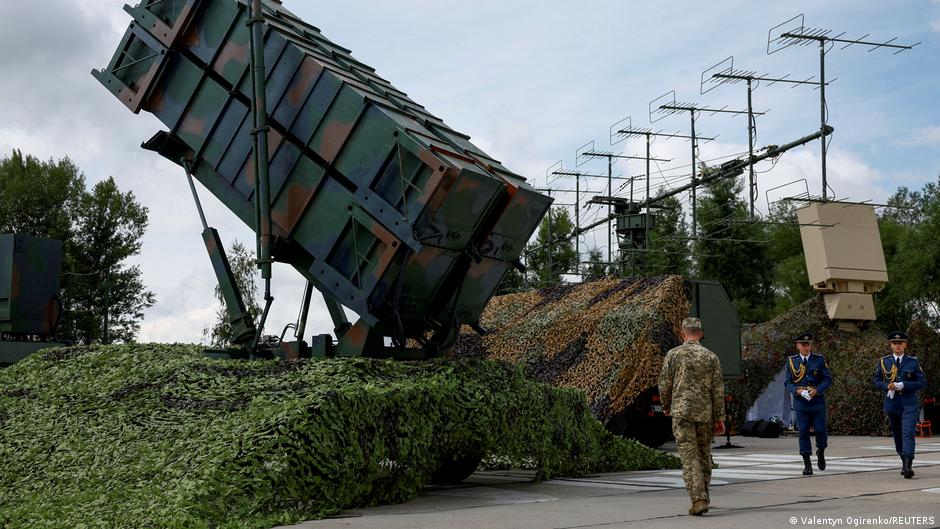
Raytheon and Lockheed Martin fear Ukraine could upgrade and mass-produce Patriot missiles under licensing, raising concerns about IP theft and competitive impacts on US defense manufacturing.

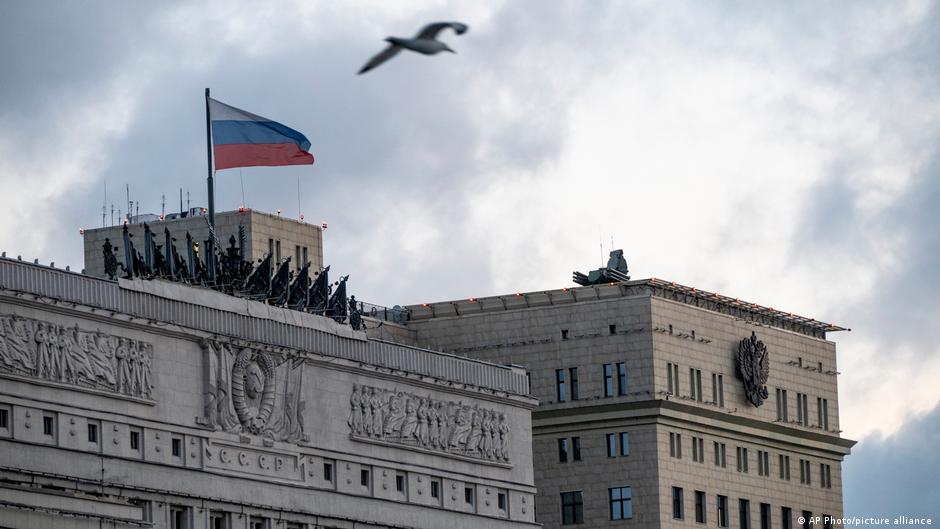
Lieutenant General Igor Yerusalimov was secretly buried in Moscow after a deadly explosion tied to senior Russian military leadership revealed vulnerabilities within the command structure.

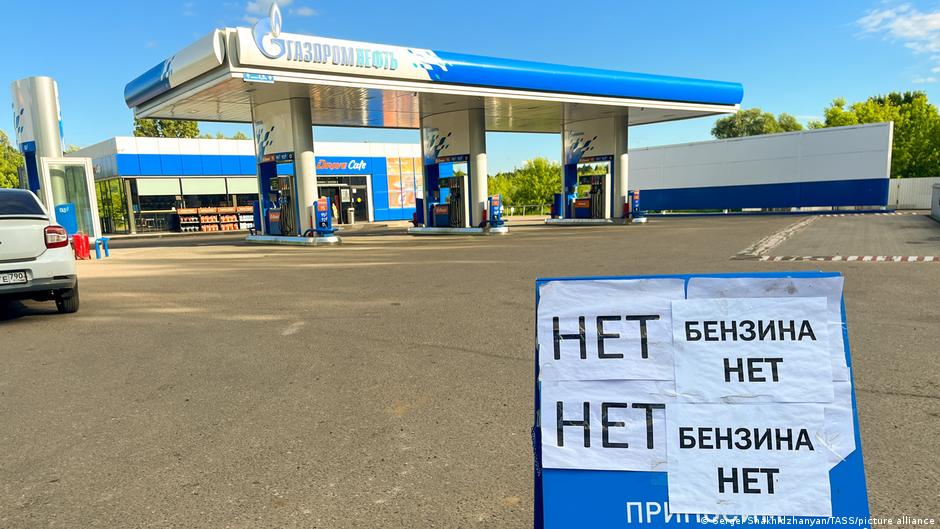
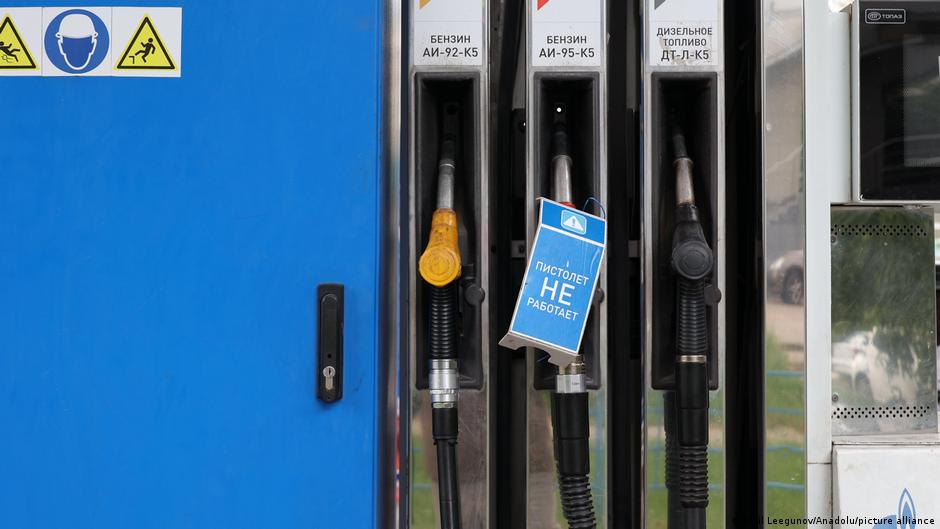
Russia authorizes sale of lower-grade Euro-2 to Euro-4 fuels until mid-2027, responding to refinery disruptions with a temporary, crisis-driven policy shift.

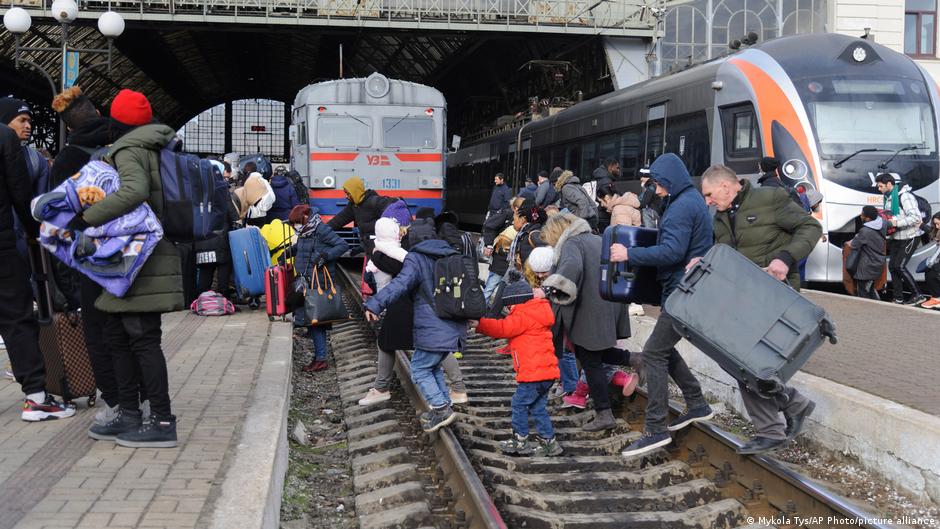
Over 8.4 million Ukrainians live abroad amid ongoing conflict, significantly altering the country's demographic and economic landscape and presenting challenges for recovery.

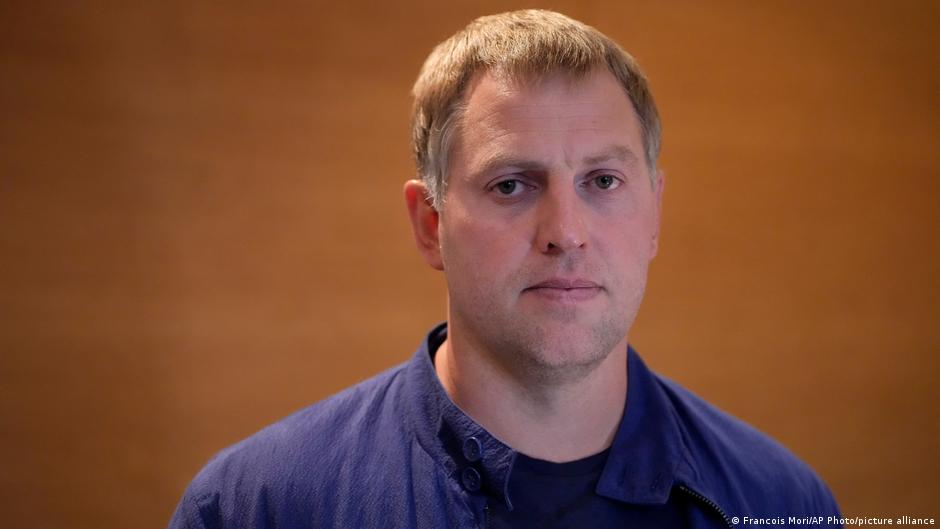
Gulagu.net founder Vladimir Osechkin suspends operations citing intensified threats, geopolitical shifts, and a global crisis in human rights advocacy.

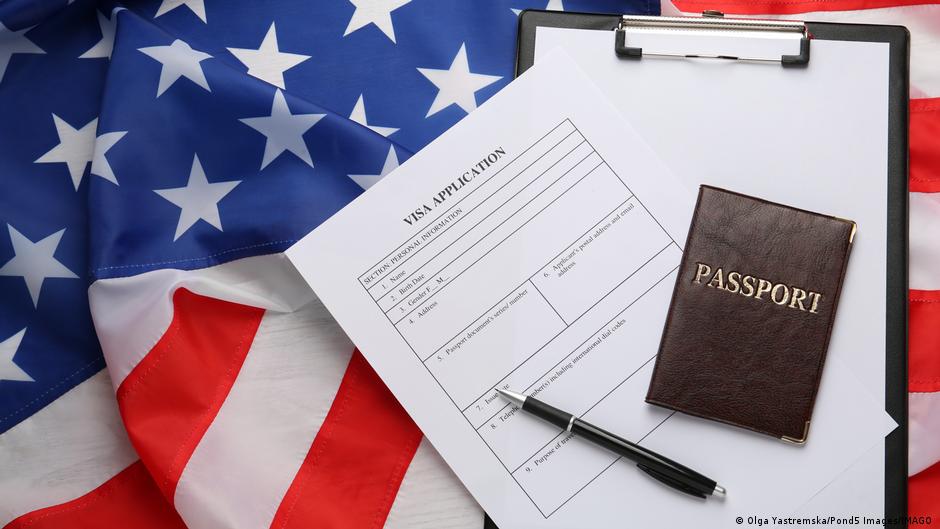
The US State Department introduces a permanent visa bond up to $20,000 for citizens of 50 countries to reduce visa misuse, excluding Russia.

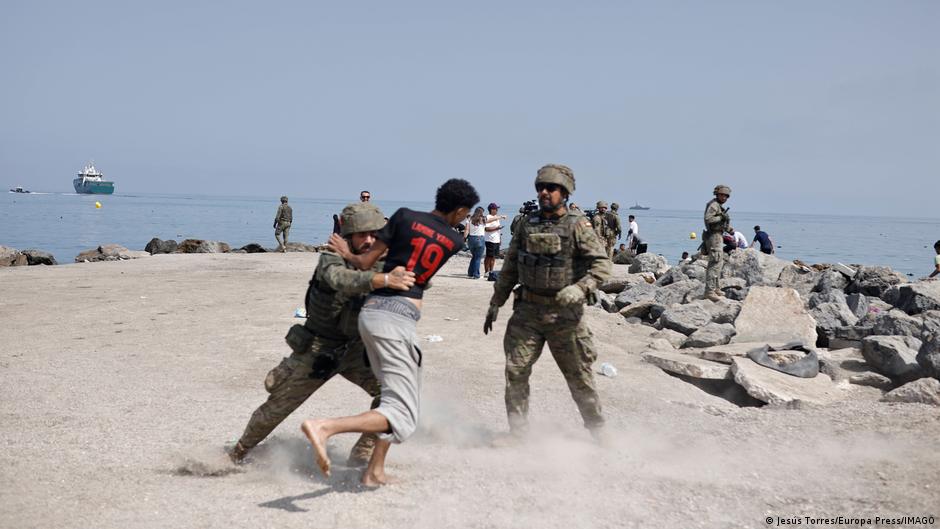
Spain deploys military and faces regional border shifts amid a mass migrant influx into Ceuta, highlighting challenges in migration management and territorial security.

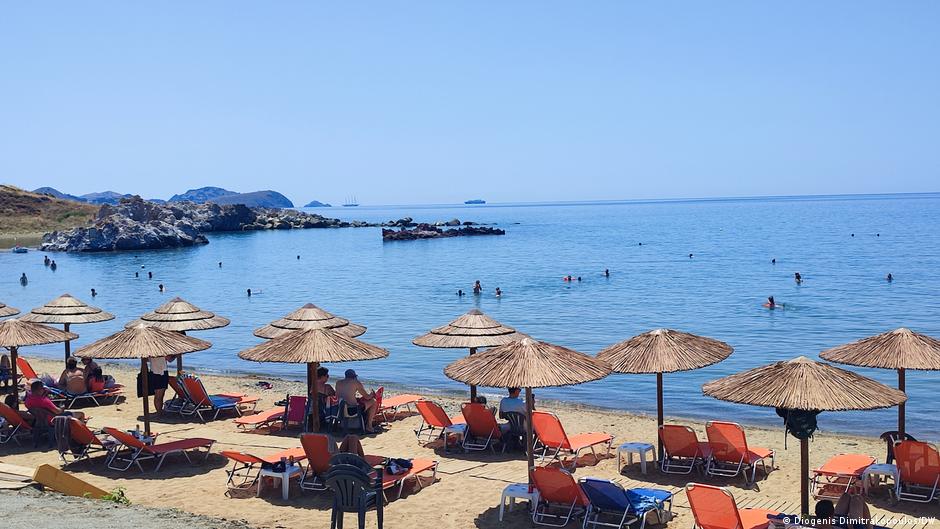
Greece has sharply increased Schengen visa refusals for Russian applicants, with rejection rates up to 70%, disrupting Russian tourism amid new EU security regulations.

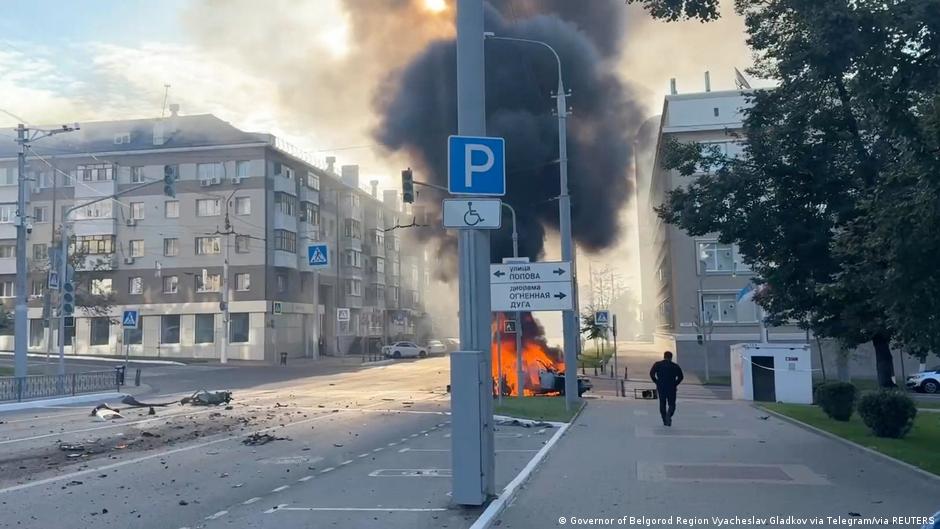
Drone attacks by Ukrainian forces injured civilians and caused damage in Russia's Belgorod and Rostov regions, highlighting escalating cross-border tensions and regional risks.

The UK will transfer intellectual property rights for the Stone Cloak electronic warfare system to Ukraine, enabling domestic production and strengthening Kyiv’s defense capabilities.

A Kremlin-linked bot network launched a disinformation campaign in eastern Germany aimed at influencing regional election outcomes by spreading fake media content.

Russian petroleum product production fell nearly 22% in June 2026 amid refinery disruptions and supply constraints, despite partial market stabilization claims.

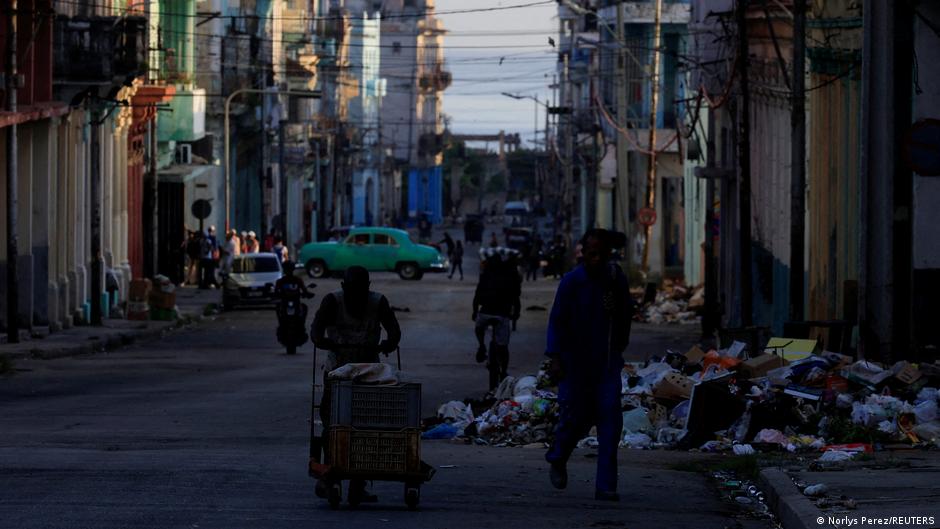
The US initiates a $100 million humanitarian aid package to Cuba amidst increased sanctions targeting key Cuban military-linked companies, reflecting a dual diplomatic and strategic approach.