Death of Lieutenant General Igor Yerusalimov Highlights Risks within Russian Military Leadership
The secretive burial of Lt. Gen. Yerusalimov follows a deadly explosion linked to close associates of the Russian Aerospace Forces commander.
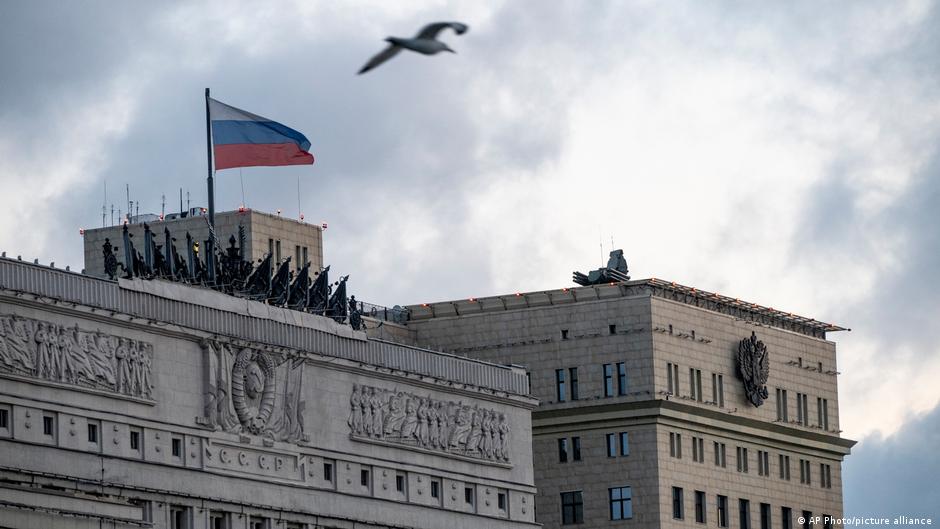
On August 5, Moscow held a secretive funeral for Lieutenant General Igor Yerusalimov, a high-ranking Russian military officer whose recent death remains unexplained. Speculation has arisen following an August 1 explosion at the Balzi Rossi restaurant, which reportedly claimed the lives of several individuals connected to the Russian Aerospace Forces (VKS) leadership.
Context Surrounding Yerusalimov's Death and the Balzi Rossi Explosion
The farewell ceremony for Yerusalimov took place in Moscow's Solntsevo district on August 4, according to local reports discovered by open-source intelligence analysts. The address of the ceremony matched the residential information of the 53-year-old general revealed in recent data leaks. Official details regarding the date and cause of his death have not been publicly disclosed.
Telegram sources indicate that Yerusalimov's burial occurred at Moscow’s Troekurovskoye cemetery under tight secrecy, accompanied by an honor guard bearing the Russian Aerospace Forces flag and the flag of the Ground Forces. The military funeral protocol suggested the deceased's stature, though his name was not explicitly mentioned in these communications.
These sources further speculate that Yerusalimov may have been one of the casualties of the explosion at Balzi Rossi, a high-profile incident that took place on August 1 involving a box bomb detonation during a private event on Kudrinskaya Square. Official reports confirmed three fatalities and 21 injuries of varying severity.
Investigations by media outlets such as Kommersant revealed that the box was reportedly brought in by a woman, who may have been unwittingly used to deliver the explosive device. The identities of the victims and detailed outcomes of the investigation remain classified.
"The funeral procession, marked by military honors and secrecy, underscores the sensitivity surrounding the deaths linked to the explosion at Balzi Rossi."
Among those believed to be targeted was Alexander Chaiko, appointed commander-in-chief of the Russian Aerospace Forces in May 2026. Prior to this, he led the Eastern Military District at the outset of Russia's full-scale war in Ukraine. Ukrainian authorities have accused Chaiko of involvement in military crimes committed by Russian forces in Bucha.
Although Chaiko survived the attack without injury, reports surfaced indicating that his son-in-law, Daniil Peredriy, died in the blast. His death was corroborated by Russian business registries and the cancellation of personal documents on the day of the explosion. Additionally, Chaiko’s daughter Maria was reportedly injured, though confirmations remain limited.
Implications for Russian Military Leadership and Strategic Stability
This incident exposes vulnerabilities within the upper echelons of the Russian military hierarchy, highlighting potential internal security breaches or targeted actions against key figures. The death of a lieutenant general and injuries to the aerospace forces’ commander’s family suggest heightened risks amid Russia’s ongoing military engagements.
From a corporate strategy and management perspective, the sudden loss of senior military leaders could impact command continuity, operational decision-making, and strategic planning within critical defense institutions. The opaque nature of the investigation and information control further complicate assessment of the incident’s broader implications.
Moreover, the event underscores the competitive and perilous environment within Russia’s power structures, which may influence future leadership appointments and internal security protocols. Maintaining operational stability in such a context poses ongoing challenges for military management and state governance.