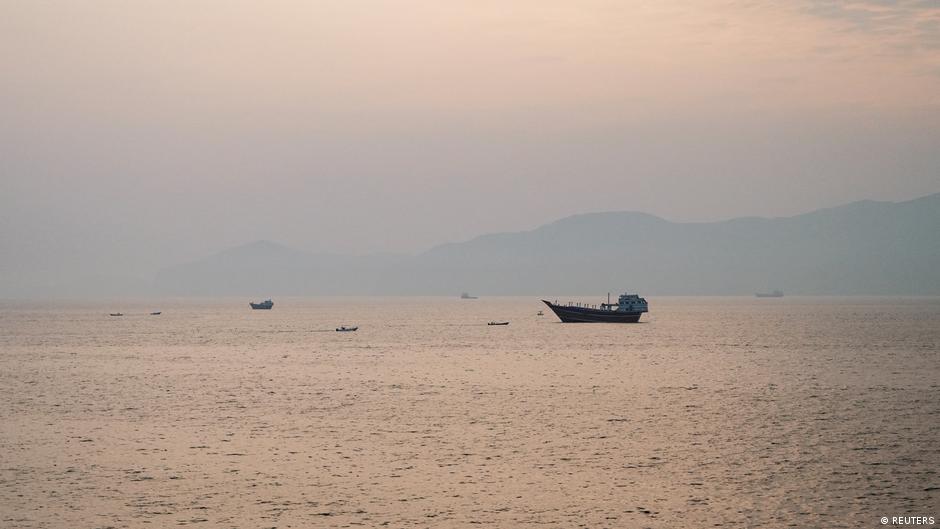
US and Iran Agree to Temporary Ceasefire Ahead of Strategic Strait Negotiations
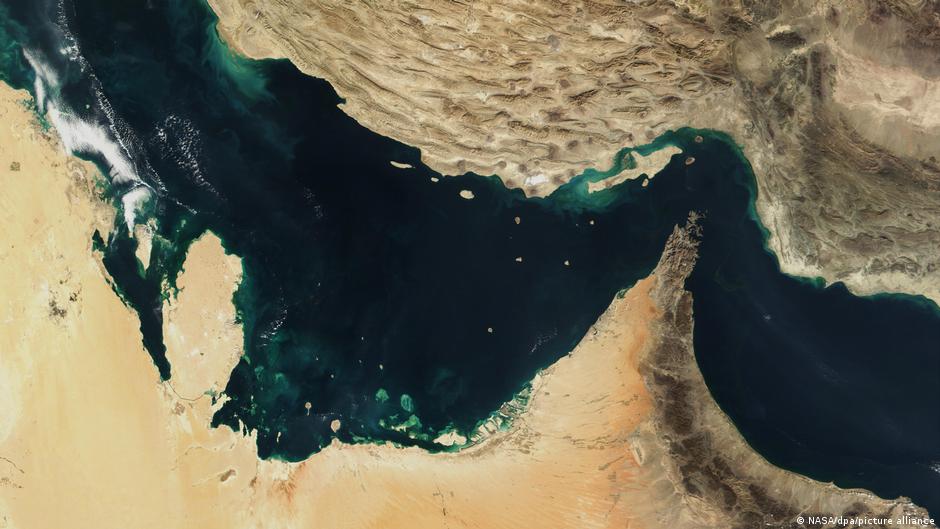
The US and Iran agreed to halt attacks until June 30 ahead of talks to restore free navigation through the strategic Strait of Hormuz, impacting global oil markets.

The US and Iran agreed to halt attacks until June 30 ahead of talks to restore free navigation through the strategic Strait of Hormuz, impacting global oil markets.

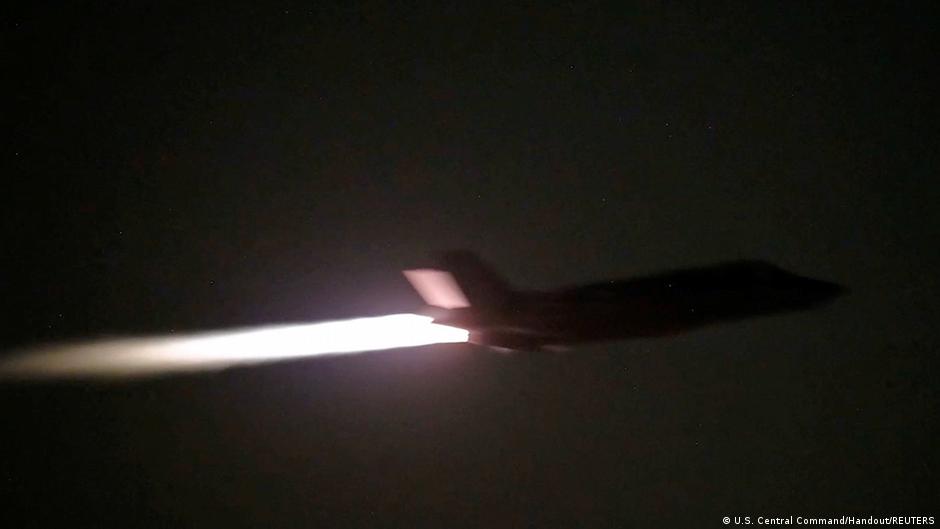
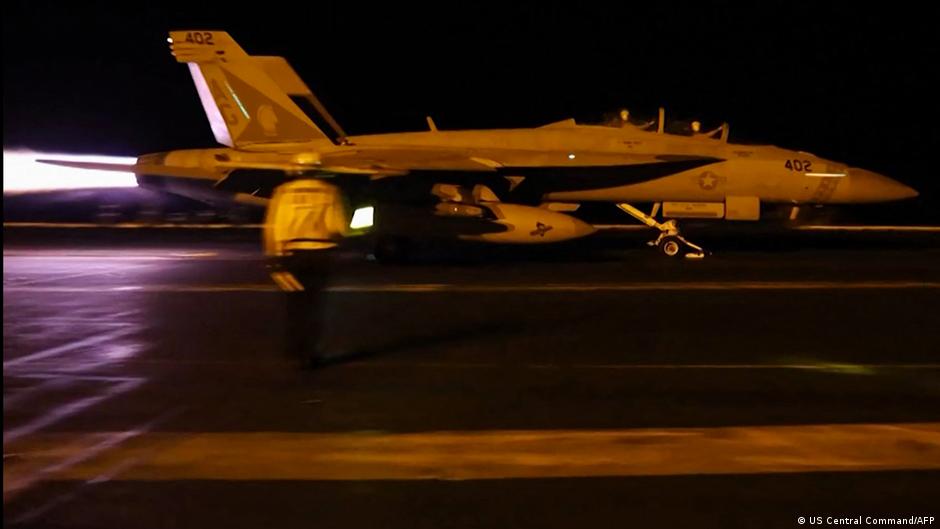
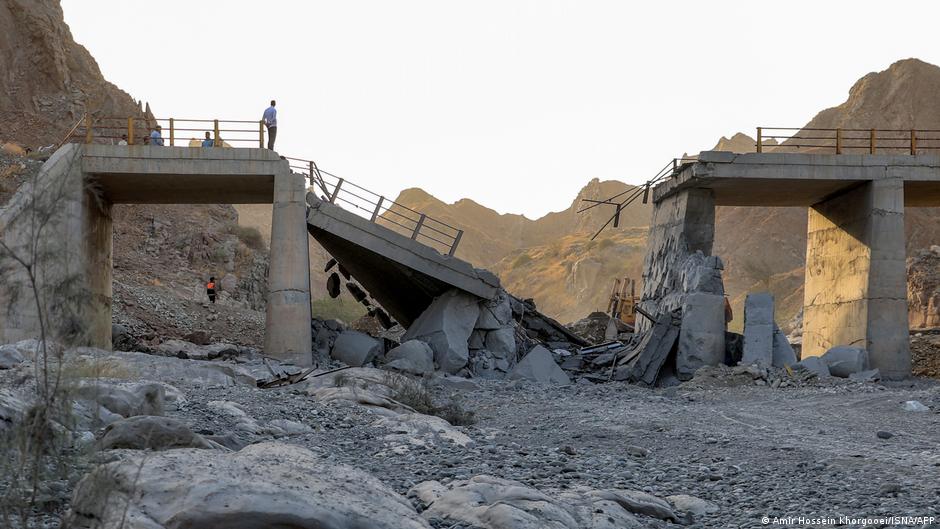
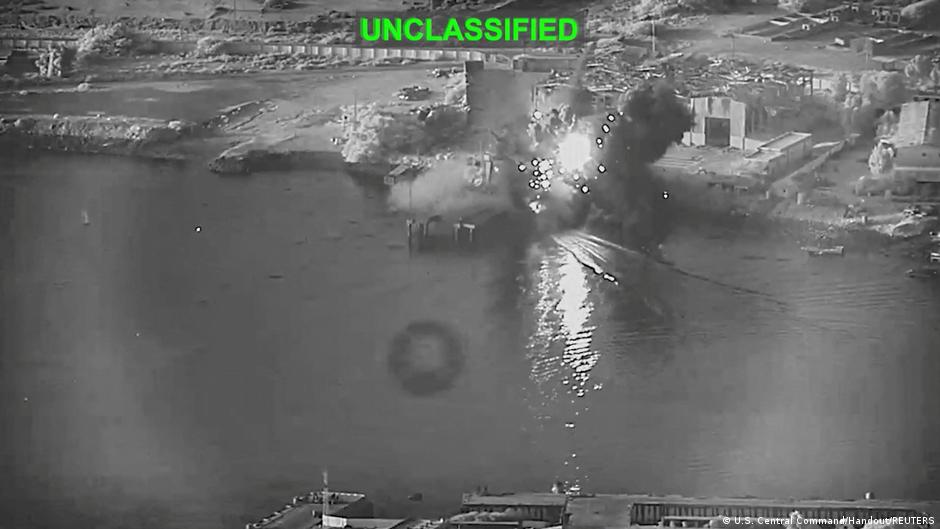
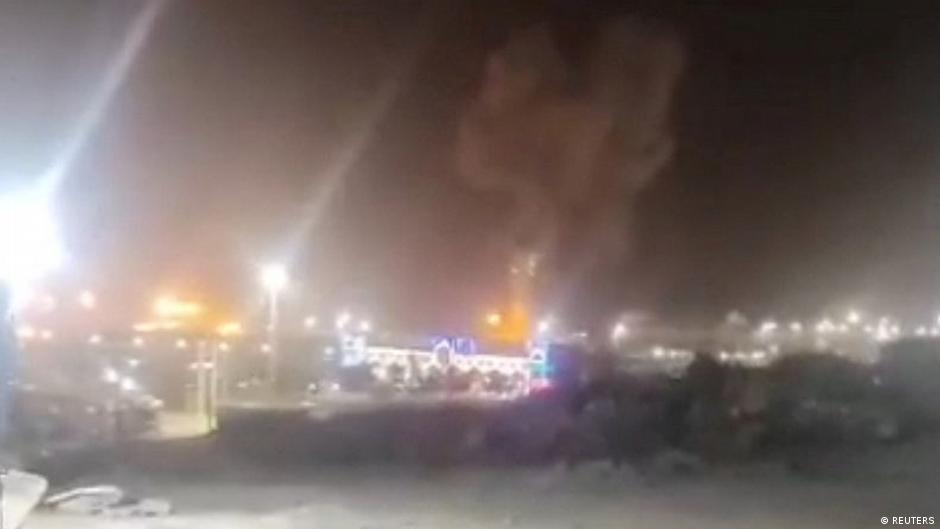
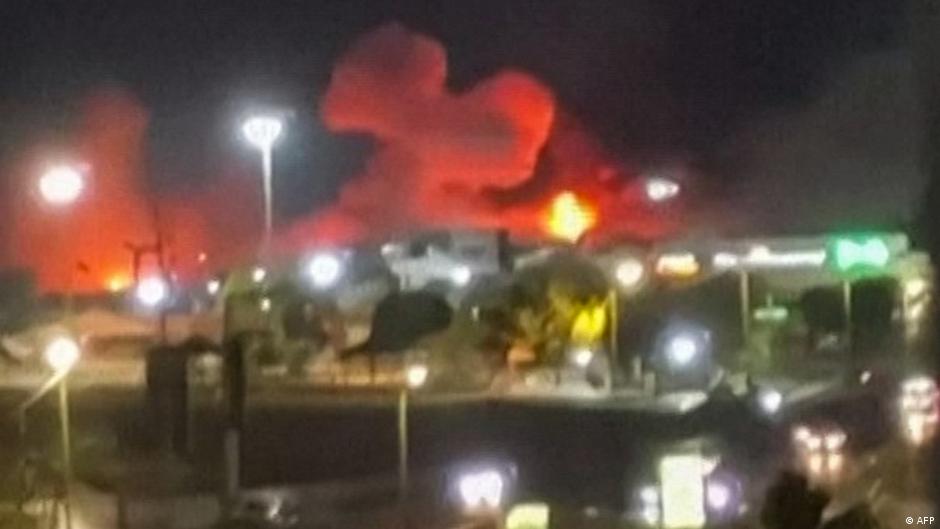
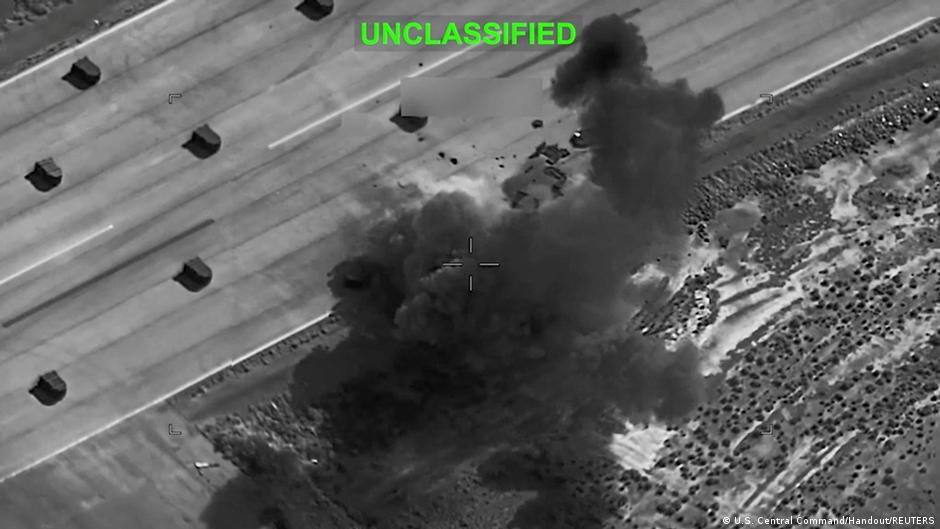
US military strikes Iranian targets after attacks on commercial tankers near the Strait of Hormuz, escalating tensions that threaten critical global shipping lanes.

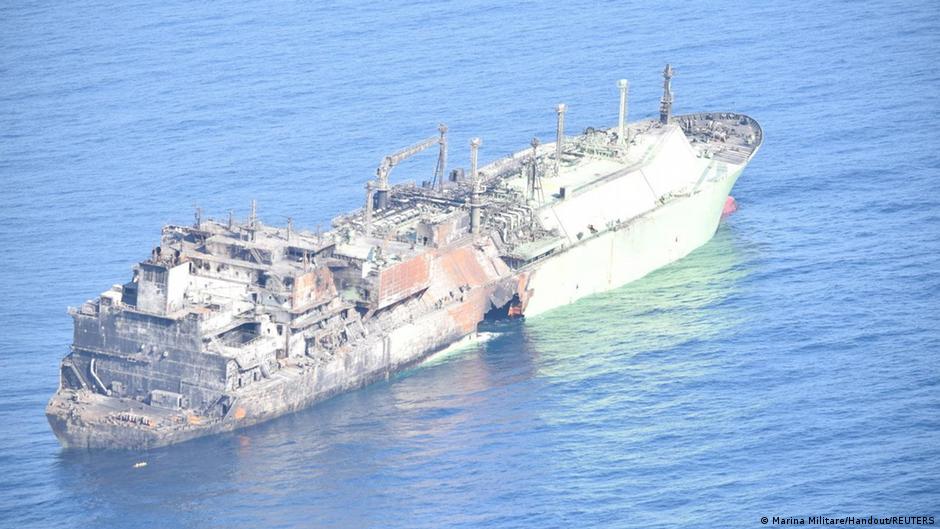
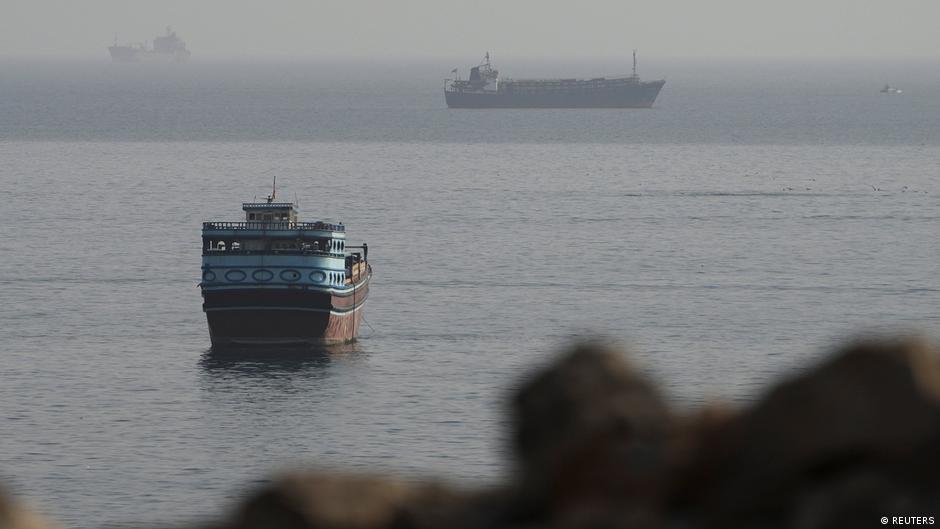
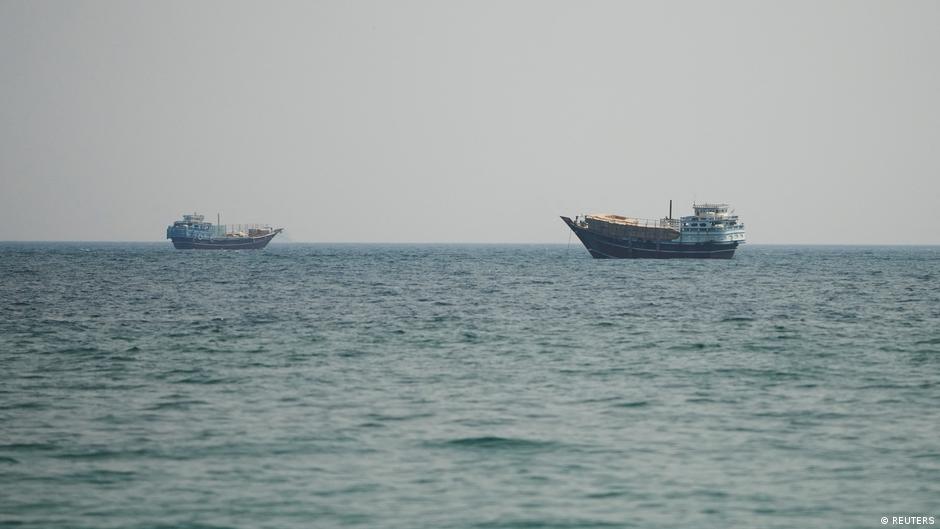
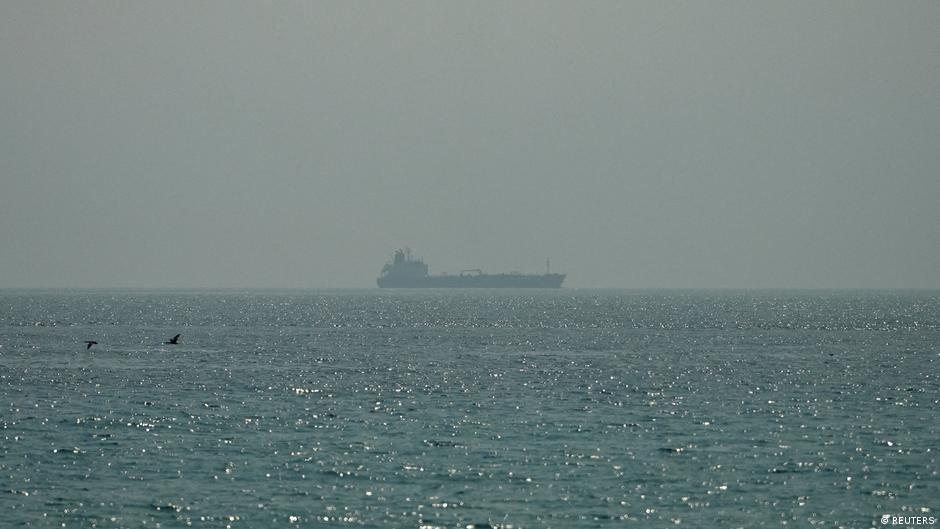
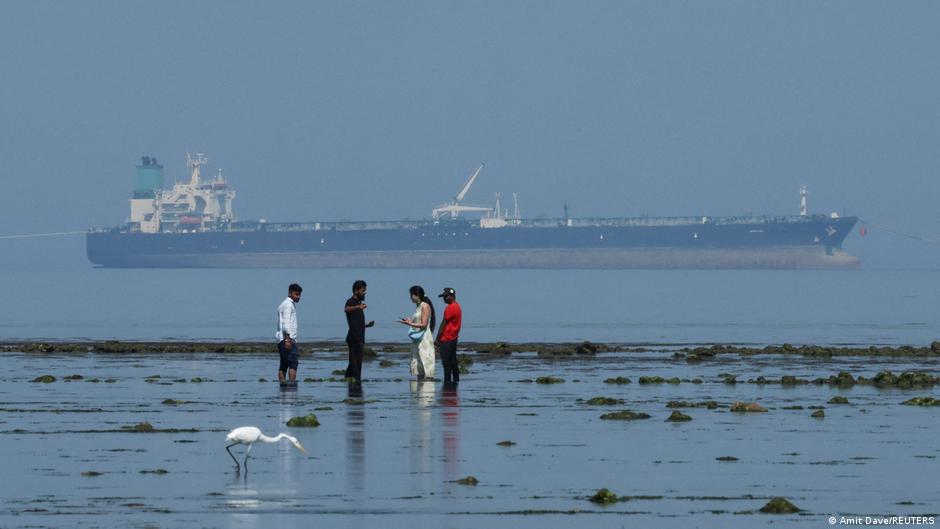
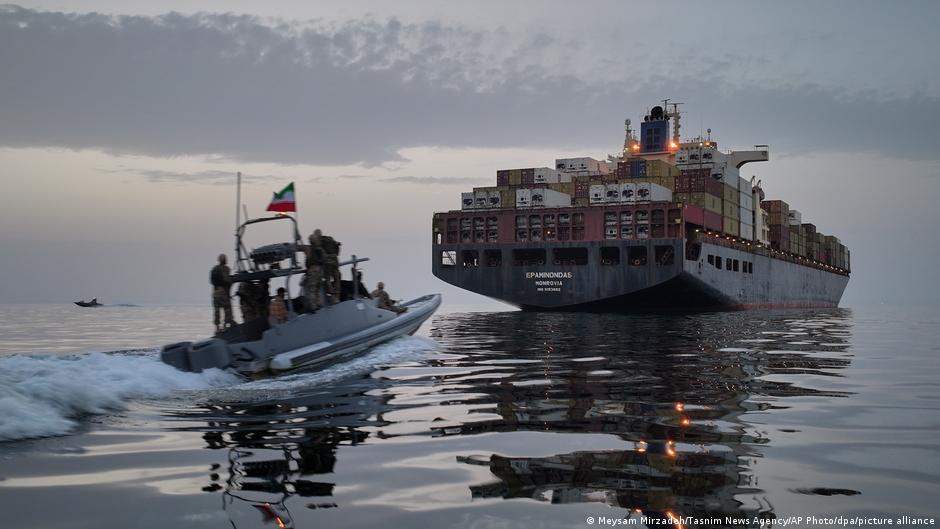
The US and Iran exchanged military strikes after a drone attack on a Singapore-flagged cargo ship in the Strait of Hormuz, raising tensions and impacting global energy markets.
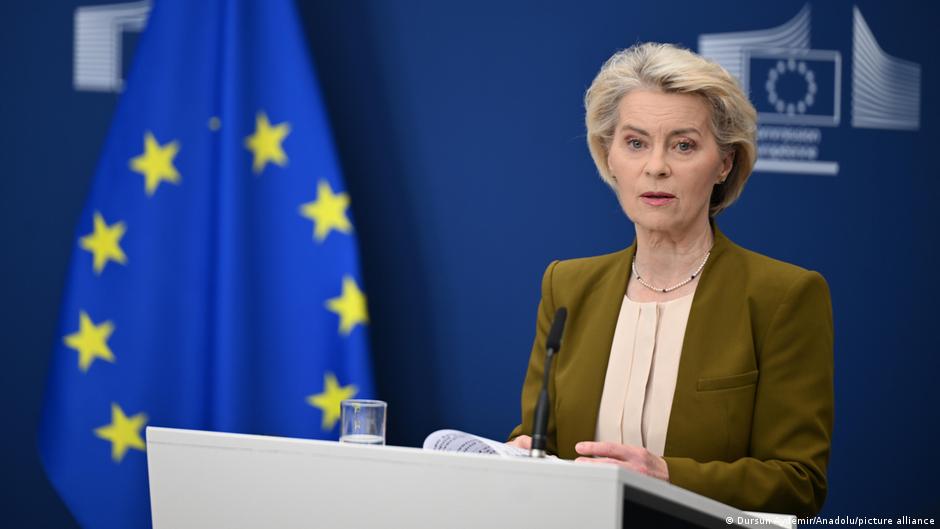
France and Italy express reservations about the EU's proposed entry ban on Russian combatants, citing enforcement challenges and risks of broader application.
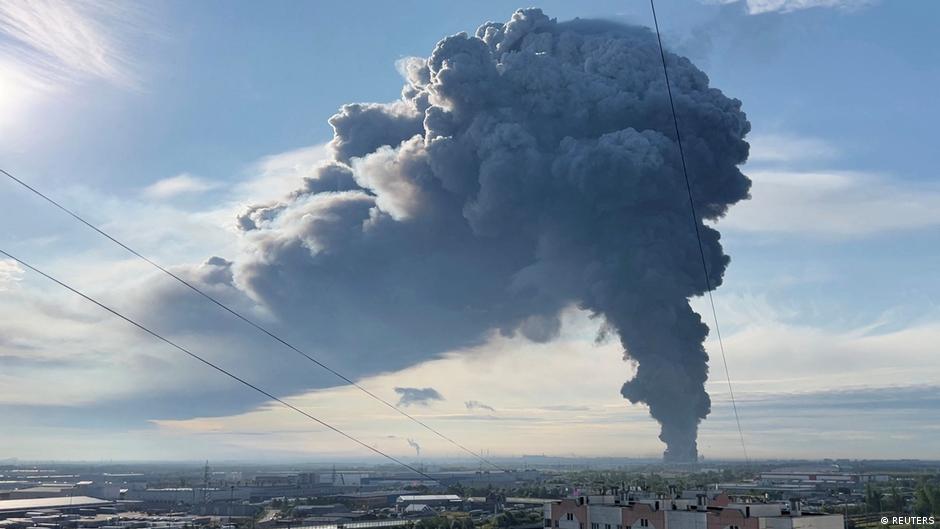
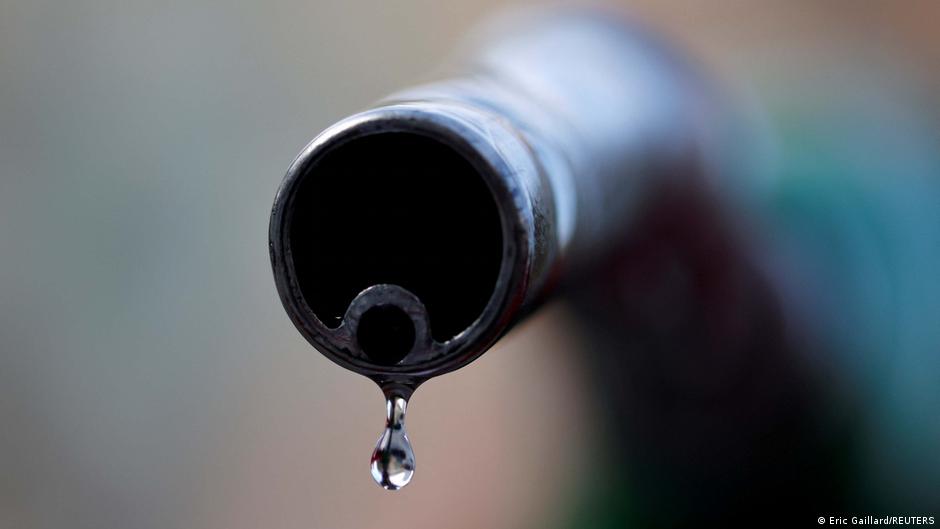
Russian regions impose fuel purchase limits due to supply disruptions from Ukrainian drone attacks on oil infrastructure, affecting over 50 regions nationwide.

The US and Iran have agreed on a communication channel to prevent incidents in the Strait of Hormuz, establishing a 60-day roadmap for final agreements amid ongoing regional conflicts.

The US may impose transit fees on vessels through the Strait of Hormuz if Iran talks fail, affecting energy shipments and regional maritime strategy.

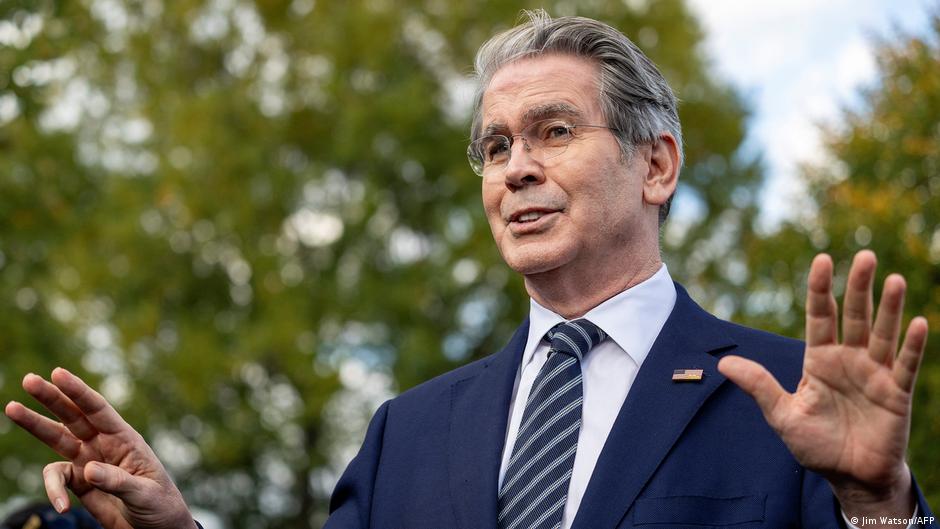
US envoy Stephen Whitcoff travels to Switzerland to resume Iran nuclear talks delayed by regional conflict, with critical mediation and financial terms under negotiation.

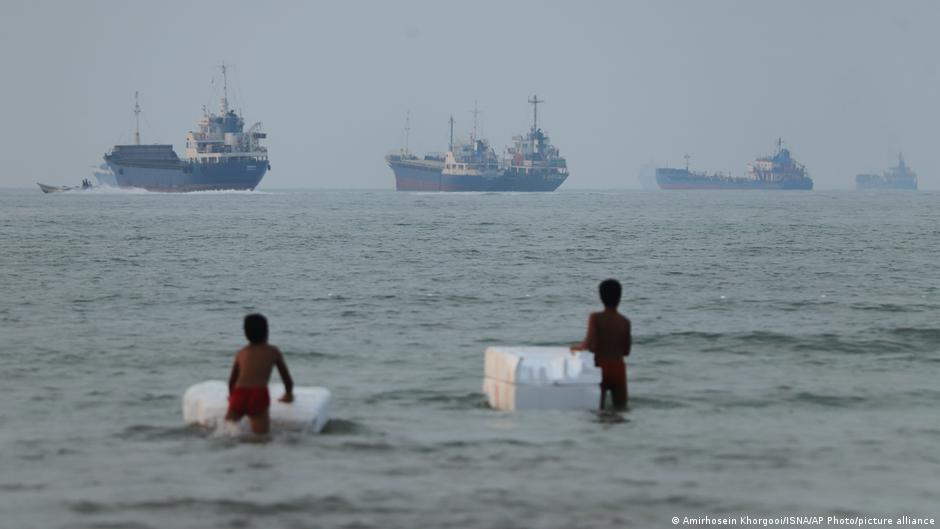
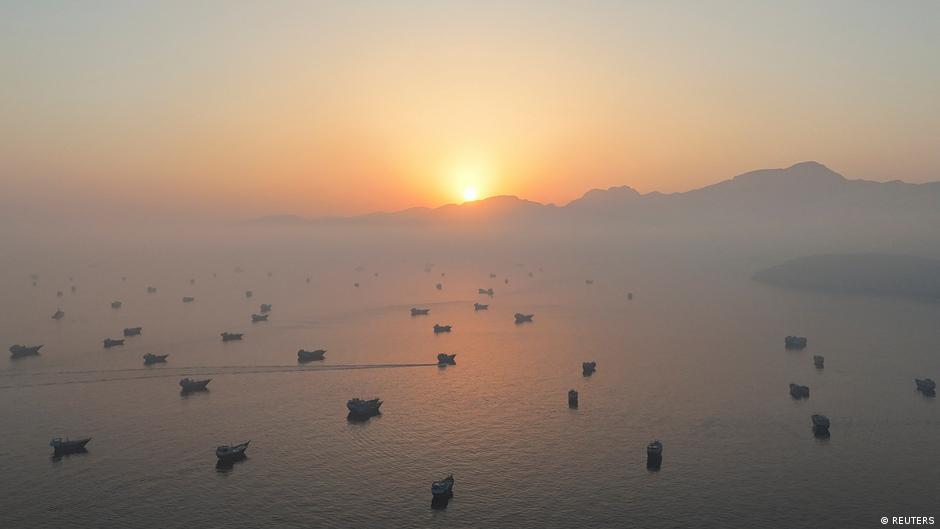
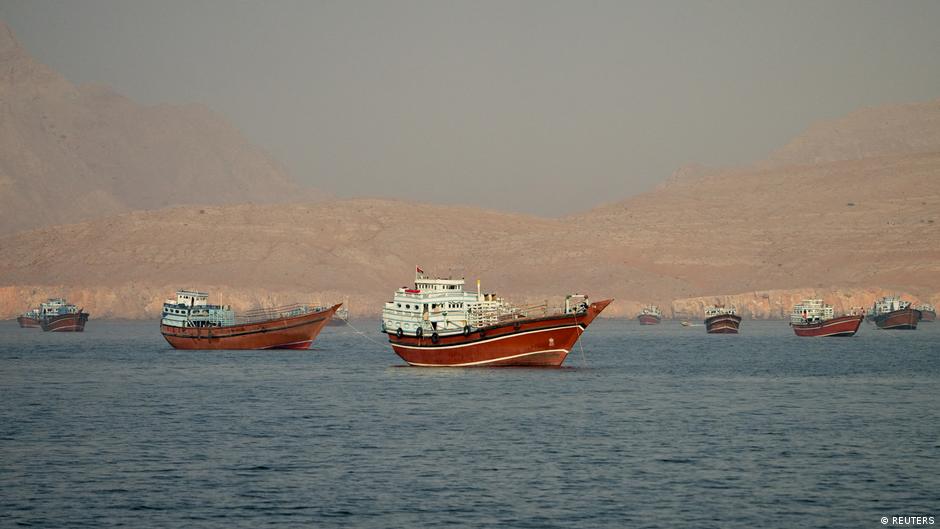
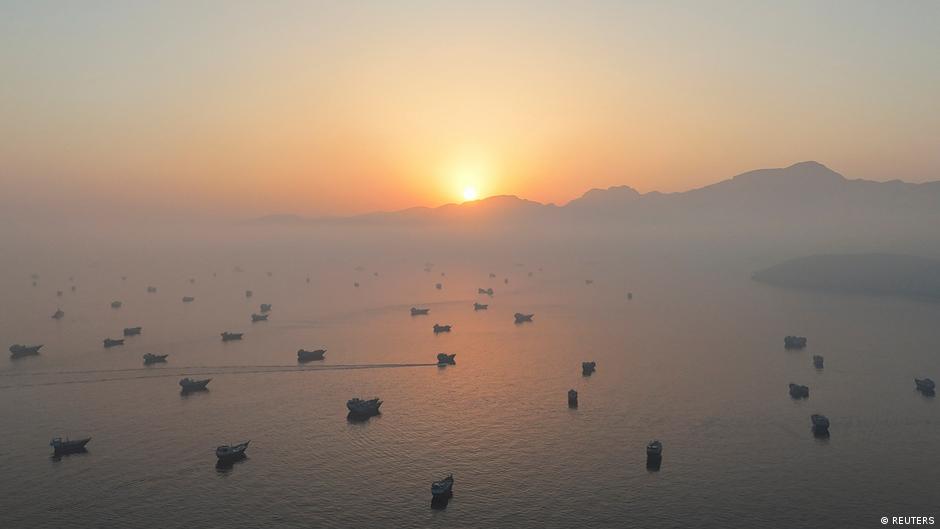
The US has lifted its blockade of the Strait of Hormuz, facilitating oil transit and initiating a 60-day negotiation period toward a peace agreement with Iran.

Pakistan announces the immediate reopening of the Strait of Hormuz following a ceasefire memorandum signed by the US and Iran, signaling shifts in regional trade and energy markets.

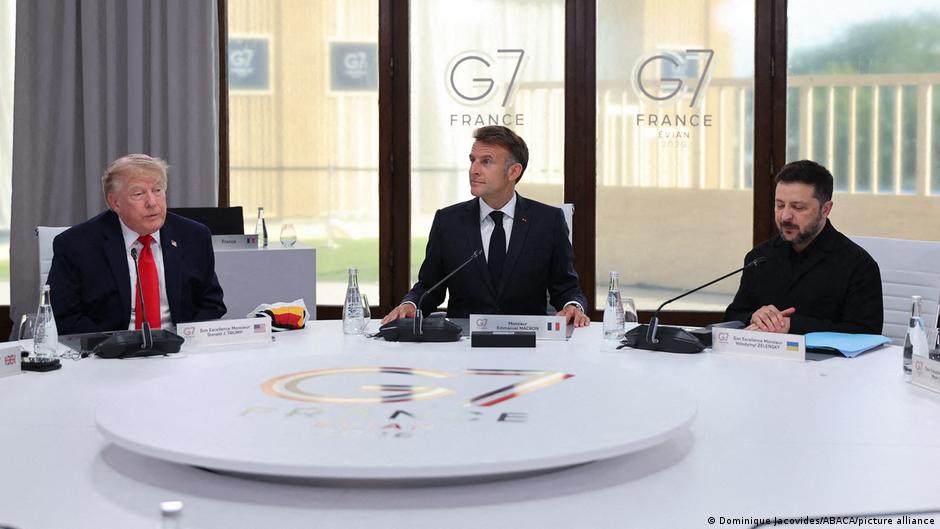
G7 leaders pledge new sanctions targeting Russia's oil and gas sectors and increase military aid to Ukraine, including advanced weaponry and support for domestic arms production.

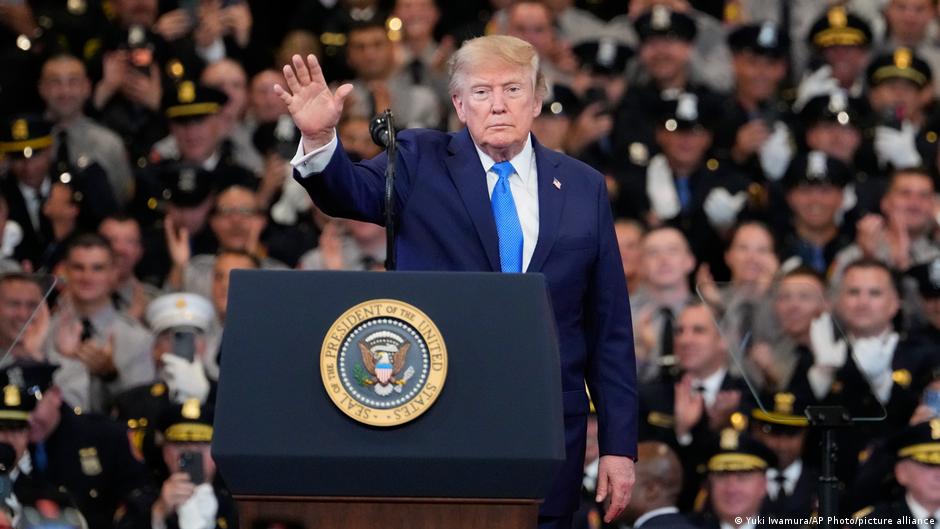
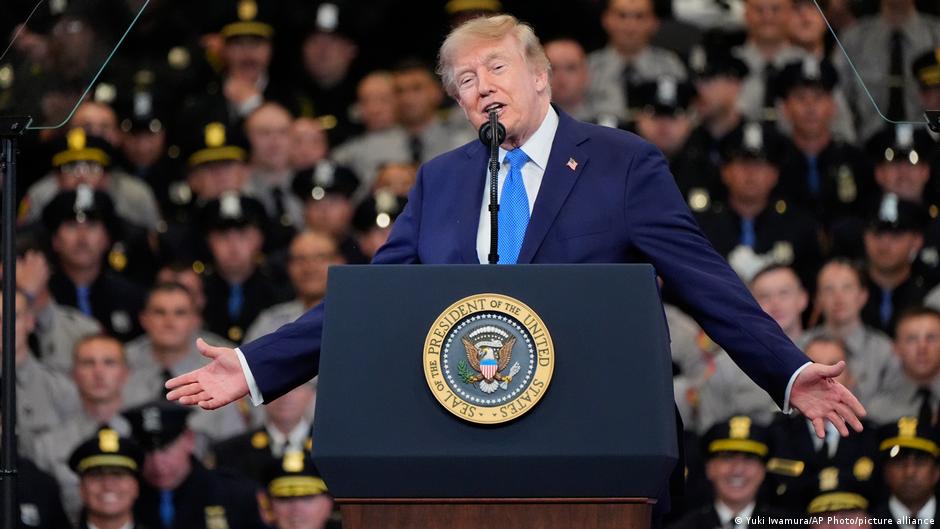
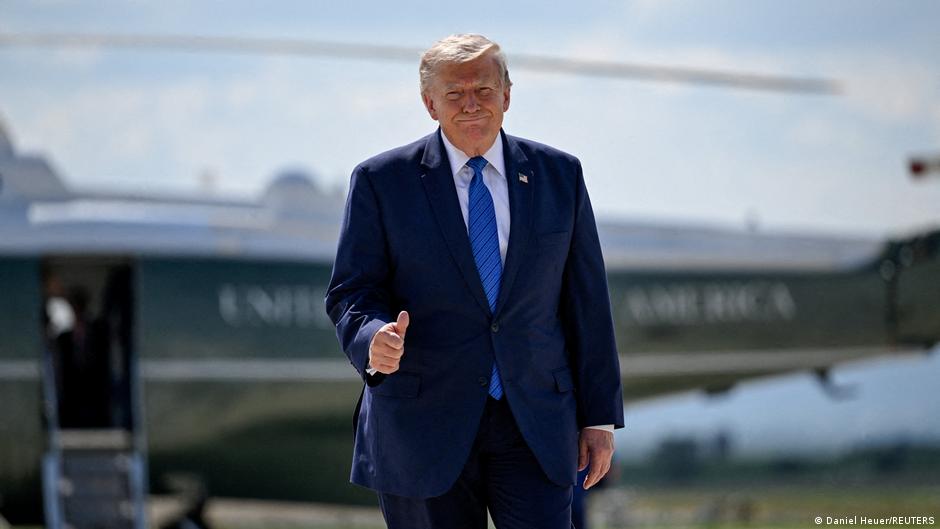
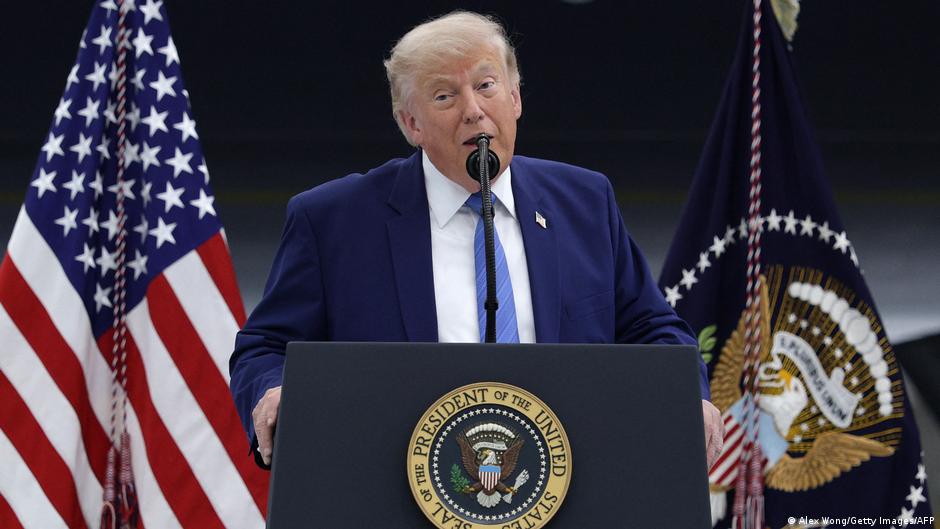
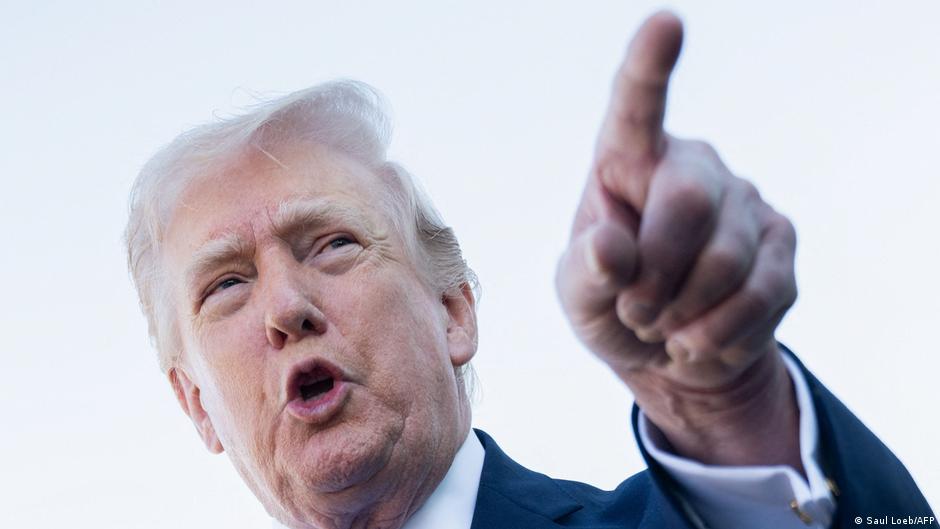
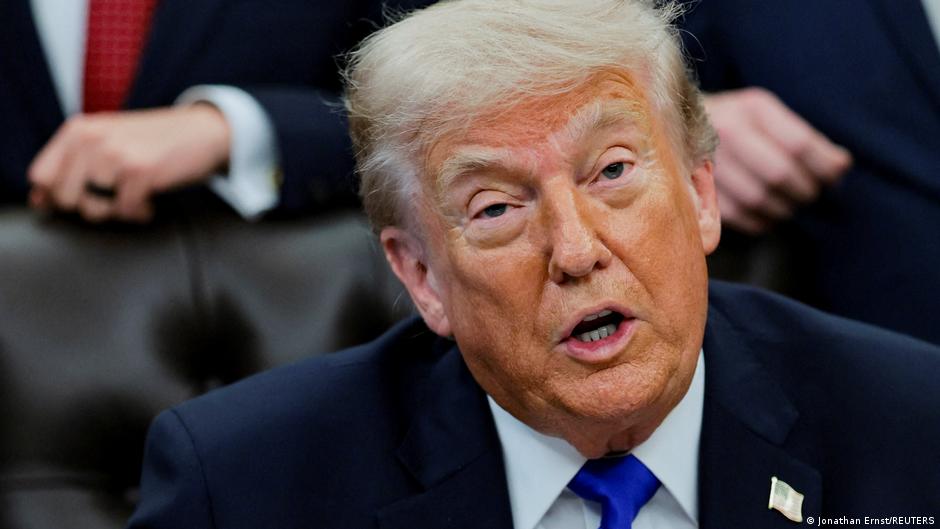
US President Trump cancels planned airstrikes on Iran amid progress in multilateral negotiations involving key regional actors, signaling a potential diplomatic resolution to ongoing tensions.

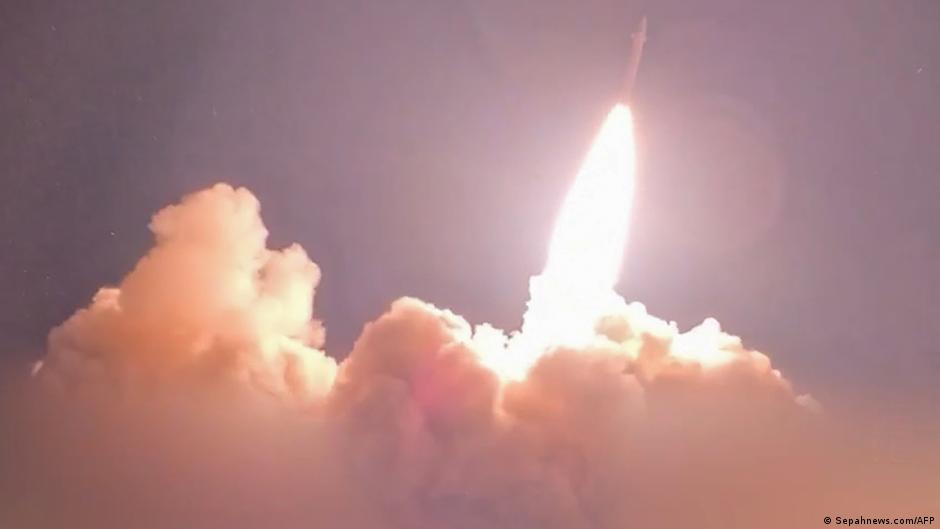
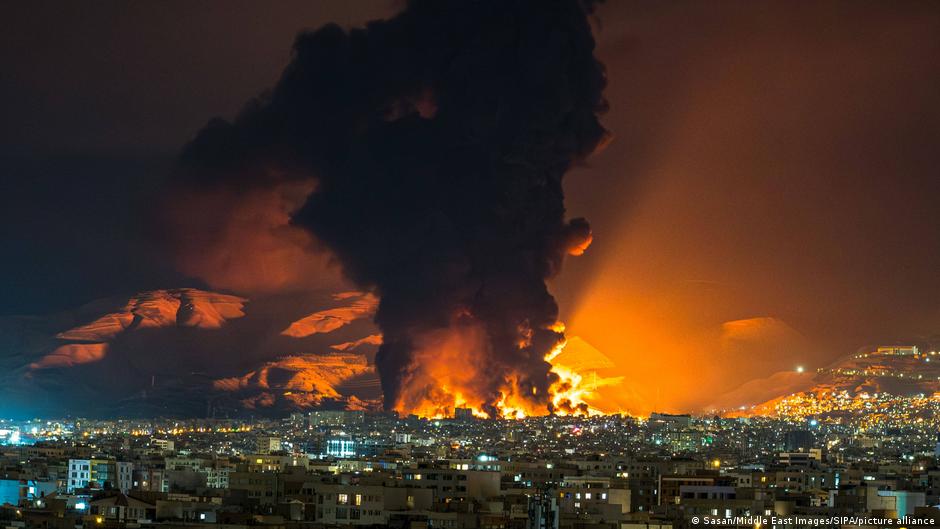
US strikes on Iran have prompted Tehran to close the Strait of Hormuz and launch retaliatory missile attacks, intensifying geopolitical risks in global energy supply chains.

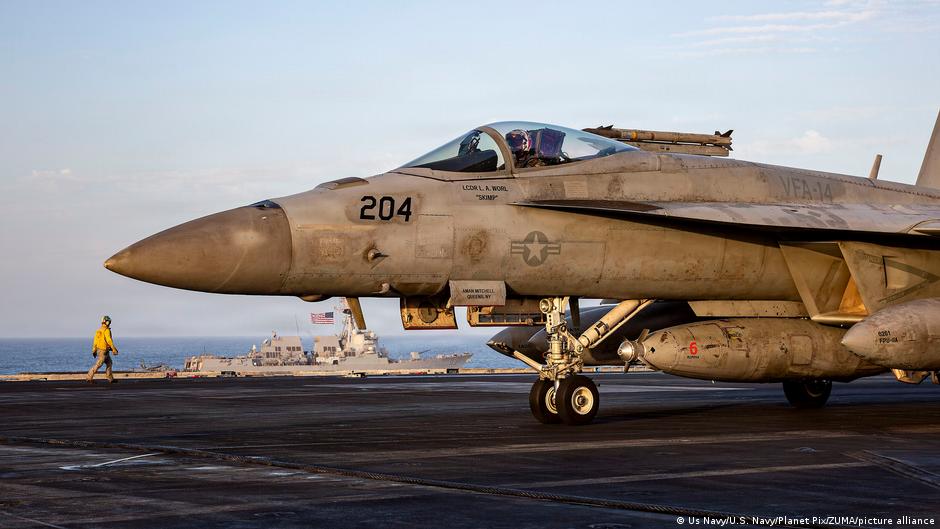
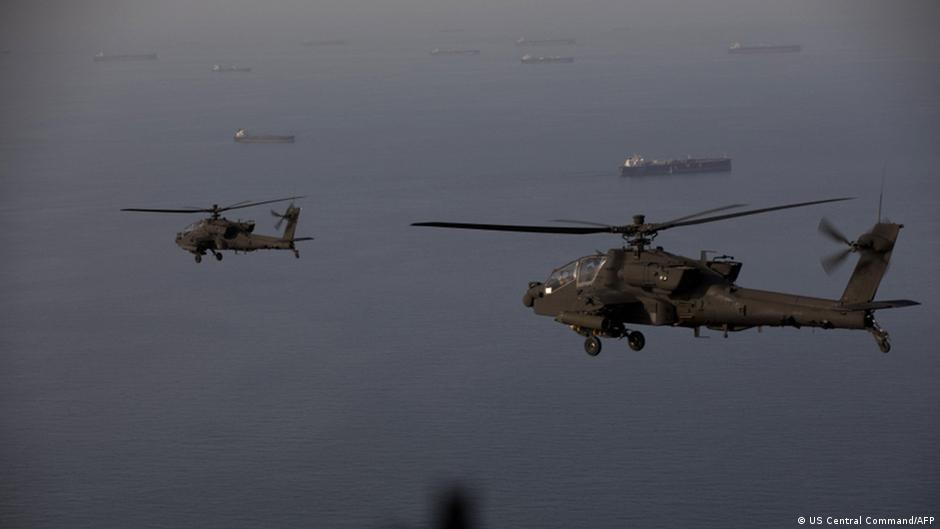
US forces launched targeted strikes on Iranian air defenses after Tehran downed an American Apache helicopter over the Strait of Hormuz, escalating regional tensions amid ongoing diplomatic talks.

The UK issues an indefinite license to import Russian-origin diesel and kerosene from third countries, adjusting sanction policies amid energy market pressures.

US President Trump delays a planned May 19 attack on Iran following appeals from Gulf leaders, with complex negotiations ongoing over nuclear limits and regional security.

The US Treasury has let temporary sanctions relief on Russian oil exports expire without extension, signaling a shift in energy sanctions policy amid geopolitical tensions.

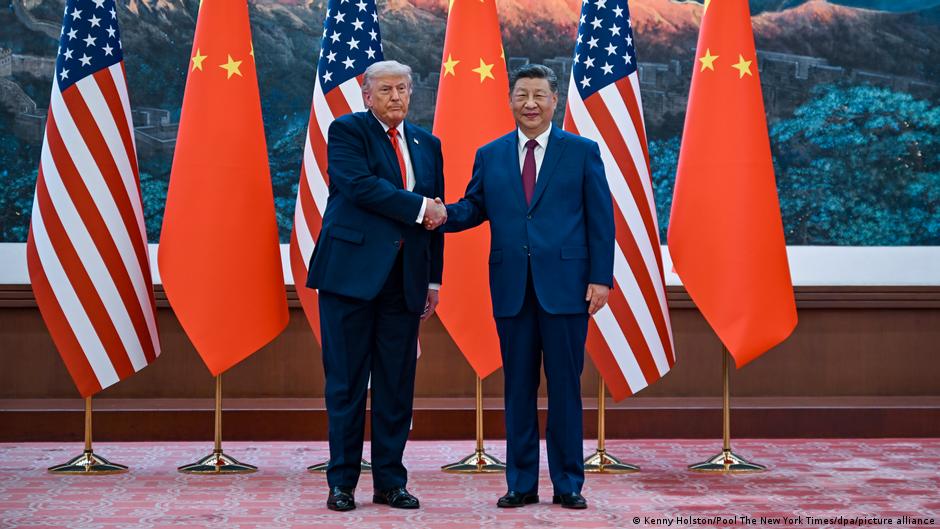
US President Trump and Chinese President Xi Jinping met in Beijing to discuss Iran’s blockade of the Strait of Hormuz, Taiwan tensions, and trade cooperation amid global economic challenges.

Iran mandates detailed vessel data for tankers in the Strait of Hormuz, raising strategic and compliance challenges amid U.S.-Iran tensions and possible transit fees.

US President Trump announced positive progress in negotiations with Iran, with both sides close to signing a memorandum of understanding to end conflicts and address nuclear concerns.

Global oil reserves fell by a record 200 million barrels in April amid Middle East conflict and supply disruptions, signaling tightening markets and potential price hikes.

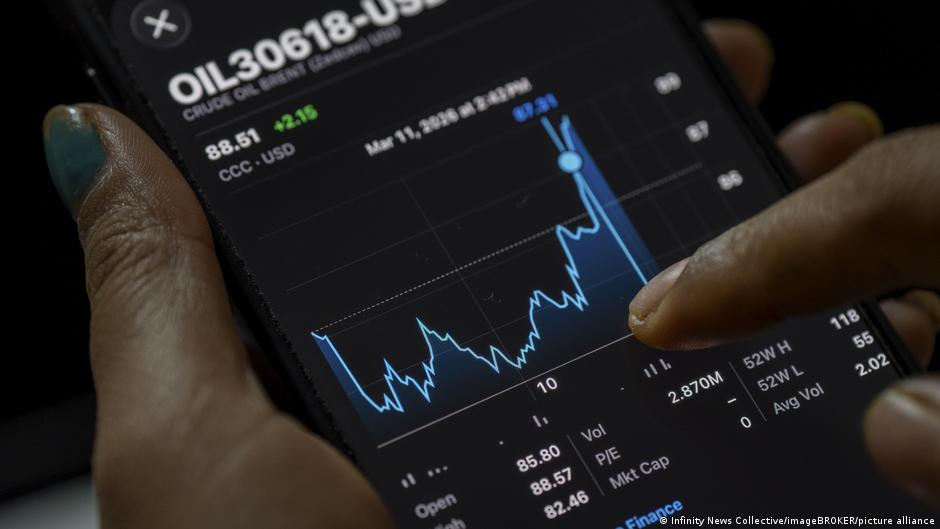
Oil prices surged after President Trump's threats to block Iran's oil exports via the Strait of Hormuz, raising geopolitical risks and affecting global energy markets.

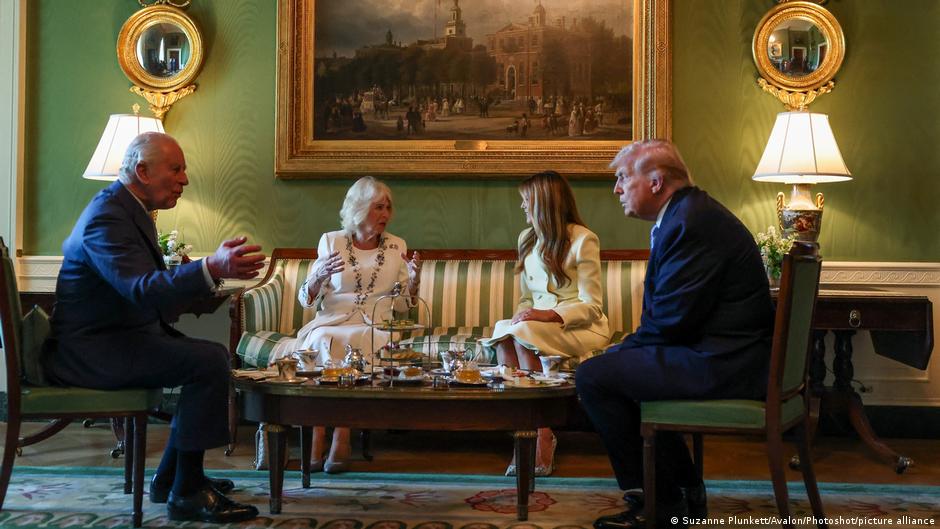
King Charles III’s visit to the U.S. aims to mend strained Anglo-American relations amid Middle East tensions and diverging defense policies under Prime Minister Starmer and President Trump.