US Military Strikes Resume in Iran Amid Rising Tensions; Strait of Hormuz Closed by Tehran
US attacks on Iranian targets prompt retaliatory strikes and Iran's closure of the critical Strait of Hormuz, escalating regional security risks.
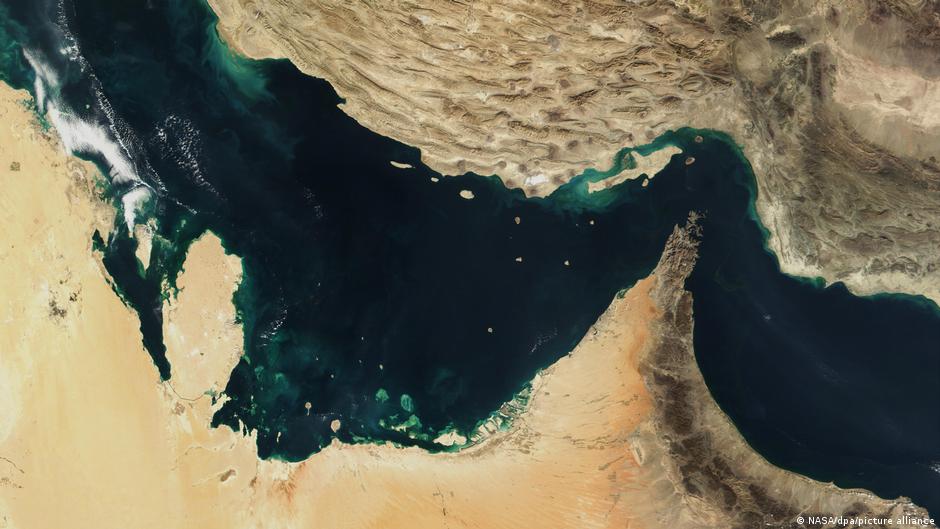
The United States military has resumed airstrikes on targets within Iran in a move that has significantly escalated tensions in the Persian Gulf region. According to the US Central Command (CENTCOM), these operations on the evening of June 10 were a response to what Washington calls "unjustified and ongoing Iranian aggression." The renewed US military actions have triggered retaliatory ballistic missile strikes by Iran on American bases in the Persian Gulf region and Jordan, alongside the closure of the strategically vital Strait of Hormuz by Tehran.
Strategic Implications of the Strait of Hormuz Closure
Iran’s announcement of a full closure of the Strait of Hormuz marks a critical development in the escalating conflict. The Strait, a narrow but crucial maritime passage, facilitates about a fifth of the world’s oil shipments, making it a vital artery for global energy supply. Tehran’s military command warned that any vessel attempting to transit the strait would be subject to attack. This declaration follows a series of explosions near Iranian cities including Minab and Sirik, as well as near military installations close to Bandar Abbas and the port city of Gorgan, attributed to the US strikes.
Despite Iran’s claims, CENTCOM has denied that the strait is closed, stating that commercial vessels continue to navigate the passage without disruption. This conflicting information underscores the volatility of the security environment and raises concerns about the potential for further escalation impacting global shipping routes and energy markets.
“These strikes are designed not to restart a war but to create conditions for a resolution,” US Defense Secretary Pete Hegseth stated following the attacks, highlighting the strategic intent behind the US military operations.
The US strikes were announced shortly before they commenced by President Donald Trump, signaling a continuation of the administration’s hardline approach towards Iran. The strikes reportedly targeted Iranian infrastructure and military assets, aiming to degrade Tehran’s capacity to project power in the region.
Iran’s retaliatory attacks included missile launches on US military bases in the Gulf region and Jordan. These counterstrikes prompted activation of Kuwait's air defense systems and air raid sirens in Bahrain, demonstrating the heightened state of alert among Gulf Cooperation Council countries.
From a corporate and geopolitical perspective, the escalation places increased uncertainty on global oil markets and could impact multinational companies with exposure to the region’s energy supply chains. The potential disruption of the Strait of Hormuz threatens to increase insurance costs for shipping companies, complicate logistical routes, and raise raw material prices internationally. Companies heavily reliant on Middle Eastern oil, as well as global energy traders and insurers, will need to monitor these developments closely.
In addition, the ongoing military engagement underscores the fragile security balance in the Gulf, where regional and international powers vie for influence. For energy firms, shipping companies, and multinational corporations operating in the area, the evolving conflict necessitates revisiting risk management strategies and contingency plans.
As the situation develops, stakeholders ranging from government policymakers to corporate decision-makers will be compelled to assess their exposure to the geopolitical risks posed by this crisis. The conflict highlights the intersection of military actions with global economic stability, particularly within energy markets.