US President Trump Postpones Planned Military Strike on Iran Amid Regional Diplomatic Pressure
Trump delays May 19 Iran attack following appeals from Gulf leaders as complex negotiations continue over nuclear and regional security issues.
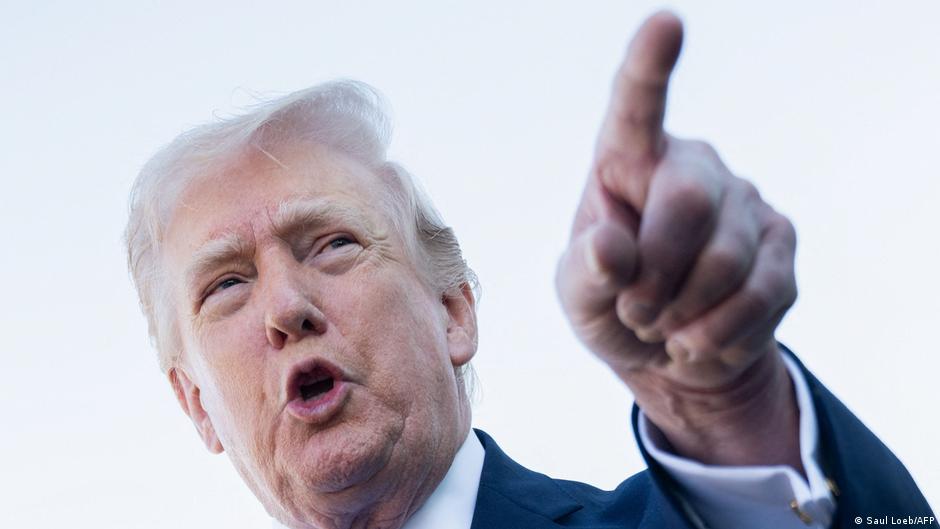
US President Donald Trump announced that he postponed a planned military strike on the Islamic Republic of Iran, originally scheduled for May 19. The announcement came in a post on his social media platform Truth Social on May 18.
According to Trump, the decision to delay the attack followed direct requests from significant regional leaders: Sheikh Tamim bin Hamad Al Thani, Emir of Qatar; Crown Prince and Prime Minister Mohammed bin Salman Al Saud of Saudi Arabia; and Sheikh Mohammed bin Zayed Al Nahyan, President of the United Arab Emirates. Trump indicated that "serious negotiations" are currently underway, with these leaders expressing optimism that an agreement acceptable to the United States and Middle Eastern countries can be reached.
Strategic Implications and Negotiation Dynamics
Trump emphasized that the prospective deal would include prohibiting Iran from acquiring nuclear weapons, framing it as a pivotal outcome for US and regional security. Concurrently, he instructed Pentagon Chief Lloyd Austin, Chairman of the Joint Chiefs of Staff General Mark Milley, and the US Armed Forces to remain prepared to launch a full-scale offensive against Iran if negotiations fail to produce an acceptable resolution.
"The US military has been ordered to be ready for a full-scale attack on Iran at any moment if an acceptable deal is not reached," Trump stated.
Until this announcement, there had been no public indication that the US was preparing a targeted strike against Tehran on May 19, underscoring the sensitive and fluid nature of US-Iran relations and regional security considerations.
Iran’s Foreign Ministry noted that Tehran’s position has been communicated to the United States via Pakistan, highlighting ongoing third-party mediation efforts. Iranian state news agency Fars published a list of five US demands ahead of the second round of peace talks, including the rejection of war reparations claims, removal of 400 kilograms of enriched uranium from Iran, operation of only one nuclear complex, refusal to unlock even 25% of frozen Iranian assets, and linking war cessation directly to negotiation progress.
Iranian officials view these demands as attempts to achieve objectives not attained through ongoing conflict, with persistent threats from the US and Israel expected even if these conditions are met. This has led to reports from the Iranian government-affiliated Mehr agency describing the negotiations as deadlocked.
Fars also reiterated Iran’s counter-demands: an end to all hostilities including in Lebanon, lifting of sanctions, unfreezing of all assets, compensation for war damages, and recognition of Iranian sovereignty over the Strait of Hormuz. These reciprocal conditions highlight the entrenched complexity and high stakes involved in the peace process.
The fragile ceasefire brokered in April through Pakistani mediation has been frequently violated. Since April 13, the US Navy has blockaded Iranian ports, while Iran’s drone attacks continue targeting vessels in the Strait of Hormuz and infrastructure across the Persian Gulf region, underscoring the ongoing volatility and strategic contest in the Middle East.
Business and Geopolitical Considerations
From a corporate and strategic perspective, the postponement of military action and ongoing negotiations signal significant implications for global energy markets, regional investment climates, and multinational corporations with exposure to Middle Eastern supply chains. The dispute over Iran's nuclear program and the resulting sanctions regime have been key risk factors impacting oil prices, foreign direct investment, and geopolitical stability.
Regional leadership engagement reflects a concerted effort by Gulf states to manage escalation, protect economic interests, and maintain regional influence amid US-Iran tensions. These dynamics require companies to closely monitor political developments and adjust risk management strategies accordingly, particularly in sectors such as energy, defense, and infrastructure development.