US Military Strikes Iran Following Downing of Apache Helicopter Over Strait of Hormuz
Renewed US air strikes target Iranian air defenses after Apache helicopter shot down amid escalating regional tensions.
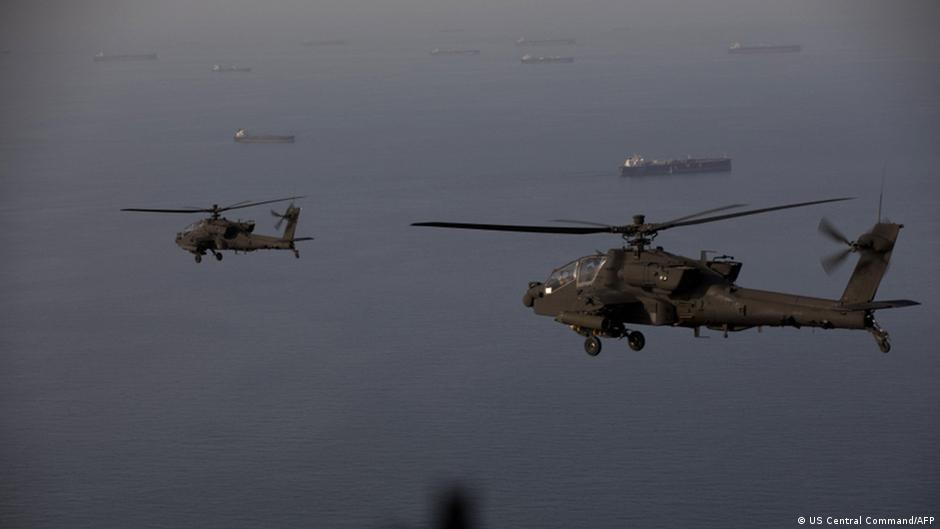
On June 9, United States Armed Forces resumed air strikes against Iranian targets in response to Tehran’s downing of an American Apache attack helicopter over the Strait of Hormuz. The Central Command of the US military (CENTCOM) described the operation as a "proportional response to unjustified Iranian aggression." The strikes focused on Iranian air defense systems and radar stations near the strategically critical waterway.
Strategic and Political Implications
The downing of the Apache helicopter, which was conducting a patrol mission in the Strait of Hormuz, escalated already heightened tensions in the region. President Donald Trump, in an interview with ABC News, emphasized the necessity of a robust response, stating, "The response must be very strong, very powerful, and that’s exactly what it is now." A US official, speaking anonymously to the press, indicated the helicopter crash resulted from a collision with an Iranian drone, though it remains unclear whether this was accidental or deliberate.
Iranian state-affiliated media reported explosions along the southern coastline near Hormuz, specifically in the cities of Sirik and Minab and on Qeshm Island. The Islamic Revolutionary Guard Corps (IRGC) subsequently declared they had launched missiles and drones against US targets in the area, signaling a potential escalation in military engagement. However, CENTCOM later confirmed the completion of the strikes, targeting Iranian air defense infrastructure and ground control points.
"Our powerful armed forces will not leave any attack or threat unanswered. Leave our region if you want to be safe," warned Iranian Foreign Minister Abbas Araghchi in a social media post, underscoring Tehran’s readiness to retaliate further.
This confrontation unfolds against the backdrop of a fragile ceasefire between the US and Israel against Iran. Notably, on June 7, Iran launched rockets at Israeli territory for the first time since April, responding to Israeli air strikes on Hezbollah positions near Beirut. Israel reciprocated with renewed strikes inside Iran, though both nations announced a temporary ceasefire on June 8.
Interestingly, President Trump signaled potential diplomatic progress with Iran hours before the strikes, suggesting that a peaceful agreement was near completion. He stated negotiations were in "the final stages of what will be a very, very good deal," with a possible conclusion within "two or three days." This juxtaposition of military action and diplomatic overtures highlights the complex and volatile nature of US-Iran relations.
Business and Geopolitical Impact
These military developments carry significant implications for the global energy market and regional business environment. The Strait of Hormuz is a vital maritime route through which a substantial portion of the world's oil supply passes. Escalations in the area tend to drive up oil prices and create volatility in energy markets, affecting everything from commodity trading to corporate planning in the energy sector.
From a corporate strategy perspective, firms operating in or reliant on Middle Eastern supply chains must carefully monitor the evolving security landscape. Heightened military tensions could disrupt logistics, increase insurance and security costs, and prompt reconsideration of investment and operational strategies in the region.
Moreover, the interplay of military actions and diplomatic negotiations illustrates the fluidity of the geopolitical risk environment. Companies with exposure to Iran, either through direct investment or via international partners, should remain agile, anticipating possible rapid shifts in policy and security conditions.
In conclusion, the recent US air strikes on Iranian targets following the downing of an Apache helicopter indicate a volatile security situation with far-reaching implications. While military actions have been framed as measured responses, the risk of escalation remains high. The concurrent efforts toward a diplomatic resolution add complexity to the scenario, making vigilant monitoring essential for stakeholders in business and geopolitical spheres alike.