US President Trump Cancels Iran Strikes Amid Progress in Multilateral Negotiations
Trump halts planned military strikes on Iran following diplomatic engagement with multiple regional actors and signals imminent agreement.
Strategic Shift from Military Action to Diplomacy
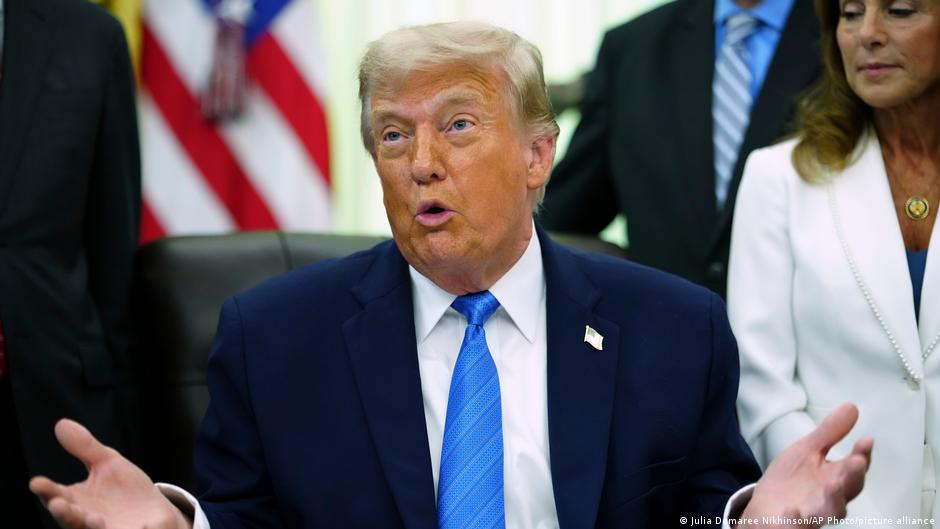
On June 11, 2024, US President Donald Trump announced the cancellation of planned airstrikes against Iran, citing significant progress in negotiations with Iran's senior leadership. This marks a notable pivot from a potential military escalation to a diplomatic resolution after a period of heightened tensions and targeted strikes.
Trump communicated the decision via his social media platform, stating, "Based on discussions with the highest leadership of the Islamic Republic of Iran and their approval, I have cancelled the planned strikes scheduled for this evening." The US administration emphasized that this diplomatic breakthrough involves a broad coalition of regional stakeholders, including Israel, Saudi Arabia, the United Arab Emirates, Qatar, Turkey, Pakistan, Bahrain, Kuwait, Jordan, Egypt, and others, who have aligned on key deal provisions.
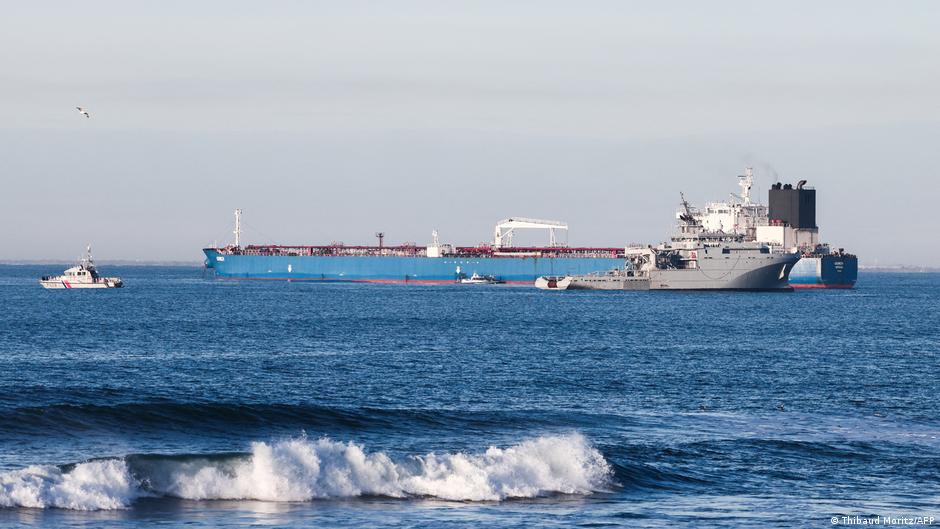
"The naval blockade will remain fully in effect until the deal is complete — timing and location of signing will be announced shortly," Trump added, highlighting continued leverage in negotiations.
Implications for Regional Security and Energy Trade
The agreement reportedly aims to ensure that Iran will never acquire nuclear weapons capabilities, while reopening the strategically vital Strait of Hormuz—a critical chokepoint for global oil shipments. Trump indicated that a "magnificent agreement" could be signed imminently, possibly over the upcoming weekend in Europe, although he will not attend personally due to his 80th birthday. Vice President J.D. Vance is expected to represent the administration at the signing.
However, Iranian officials have not yet finalized their endorsement of the agreement. Esmail Bagai, spokesperson for Iran’s Foreign Ministry, stated on June 12 that no conclusive decision has been made. Iranian Parliament Speaker Mohammad Bagher Ghalibaf warned against impulsive US military actions, cautioning that such moves would lead to a prolonged conflict, while threatening a stronger Iranian response.
Recent Military Context and Escalation Risks
Just hours before the cancellation, the US Central Command resumed airstrikes on Iranian targets, describing them as responses to Iran’s ongoing aggression. Trump had earlier indicated intentions to seize Iran’s strategic oil hub—Khark Island—as part of an expanded military approach, though he expressed doubts about the US's resolve to do so. Defense Secretary Pete Hegseth reiterated threats of further strikes, framing them as measures to pressure Iran toward negotiation rather than outright war.
Iranian state media reported explosions near key southern cities and military facilities along the Persian Gulf, with additional attacks on US bases in Gulf countries and Jordan, including ballistic missile strikes. Air defense activity and sirens were noted in Kuwait and Bahrain. Iran’s military command declared a full closure of the Strait of Hormuz, vowing to attack any vessel attempting transit.
Business and Geopolitical Analysis
The suspension of planned US strikes and the prospect of a multilateral agreement represent a significant strategic recalibration with broad implications for global energy markets and regional geopolitical stability. The involvement of multiple regional powers underscores a complex diplomatic balancing act aimed at containing Iranian influence while safeguarding critical trade routes.
From a corporate perspective, energy companies and shipping firms will closely monitor developments concerning the Strait of Hormuz, given its role as a conduit for approximately one-third of global seaborne oil trade. The potential reopening could alleviate supply disruptions and reduce volatility.
Moreover, the dynamics of US foreign policy under Trump, characterized by oscillation between military brinkmanship and last-minute diplomacy, pose challenges for corporate strategic planning and risk management in sectors exposed to Middle Eastern geopolitics.