US and Iran Near Agreement Following Positive Negotiations, Trump Announces
President Trump states that the US and Iran have conducted very good negotiations and may soon finalize a deal to end ongoing conflicts.
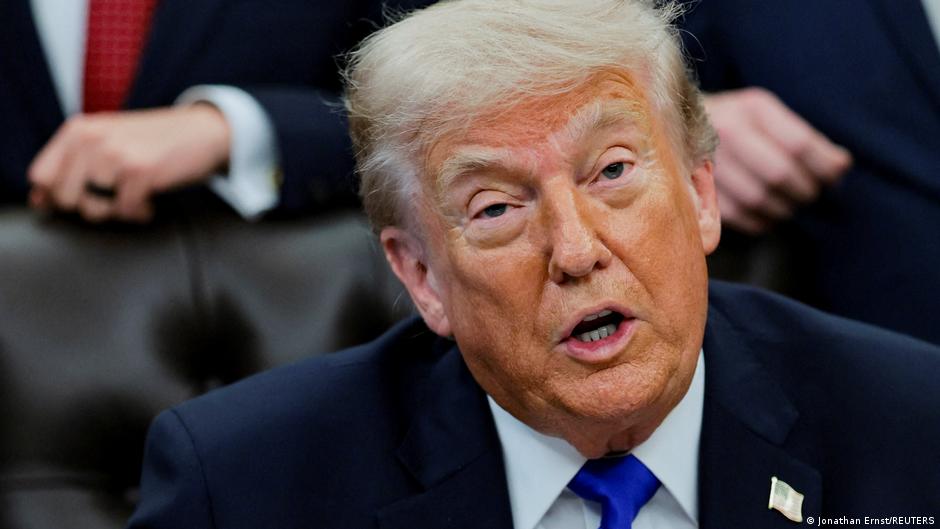
In a significant development hinting at a potential de-escalation of long-standing tensions, US President Donald Trump announced during a White House press conference on May 6 that the United States has engaged in "very good" negotiations with Iran. Trump expressed optimism that both parties might soon reach a deal to resolve their conflicts.
"Right now, things are going well, and we have to get what we need. If we don't, we'll have to take a big step further. But at the same time, they want to make a deal," Trump stated, underlining the conditional nature of the ongoing discussions.
Strategic Implications of the Prospective Deal
According to Trump, Iran has agreed to the primary demand put forth by Washington: the cessation of its nuclear weapons development program. This concession addresses one of the core security concerns that have shaped US foreign policy in the region for decades.
While Iranian officials have yet to publicly comment on the US president's statements, reports from Axios—citing White House sources—indicate that the two countries are close to signing a "one-page memorandum of understanding." This document is expected to serve as a peaceful agreement laying the groundwork for more comprehensive negotiations.
"The memorandum outlines a 30-day negotiation period aimed at reaching further agreements on the Strait of Hormuz, Iran’s nuclear program, and US sanctions," according to Axios.
Completion of this memorandum would mark a strategic pivot for both nations, providing a platform for dialogue that could alter the competitive landscape in the Middle East. The negotiations will likely have broad implications not only for geopolitical stability but also for global energy markets and international diplomatic relations.
Iran has reportedly indicated that it is reviewing the US proposal and plans to deliver its response through Pakistan, which is acting as an intermediary in the dialogue between Washington and Tehran. This channel of communication suggests a cautious but potentially constructive approach to resolving disputes.
For businesses and investors, the prospect of reduced tensions and the lifting or easing of sanctions could open new avenues for trade and economic engagement in the region. Companies specializing in energy, infrastructure, and regional markets should monitor these developments closely as they unfold.