Finland Completes 200-Kilometer Russia Border Fence Amid Security Shift
Finland has completed a 200-kilometer fence on its Russia border, framing security infrastructure as a strategic national priority.

Finland has completed a 200-kilometer fence on its Russia border, framing security infrastructure as a strategic national priority.

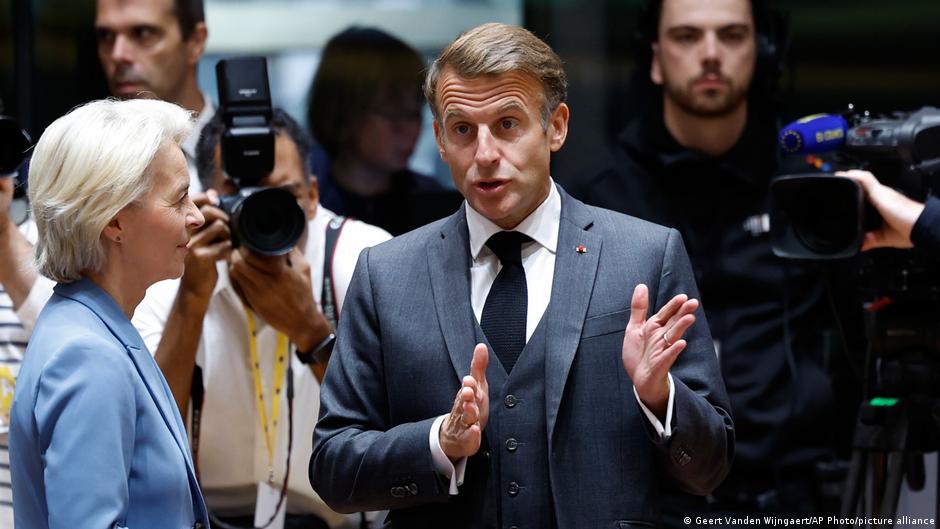
Macron is seeking an EU-wide under-15 social media ban after France’s Constitutional Council blocked a national measure.

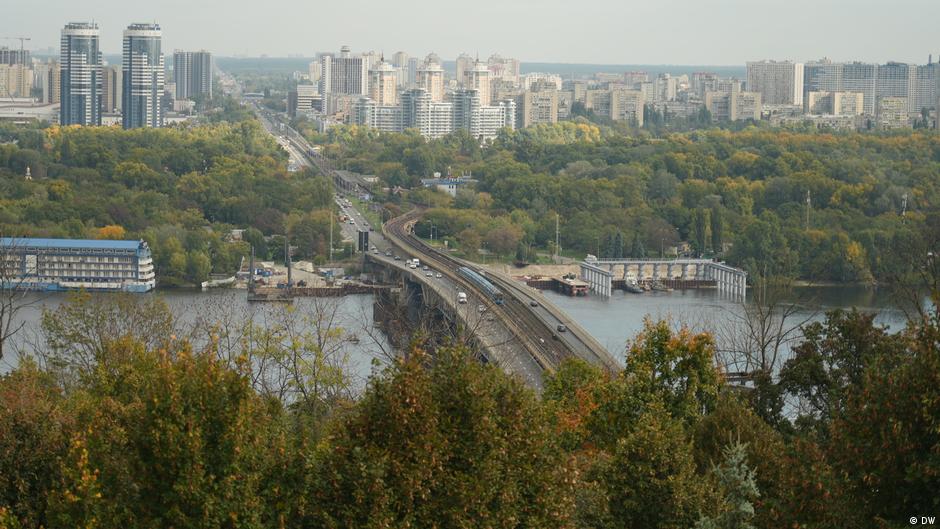
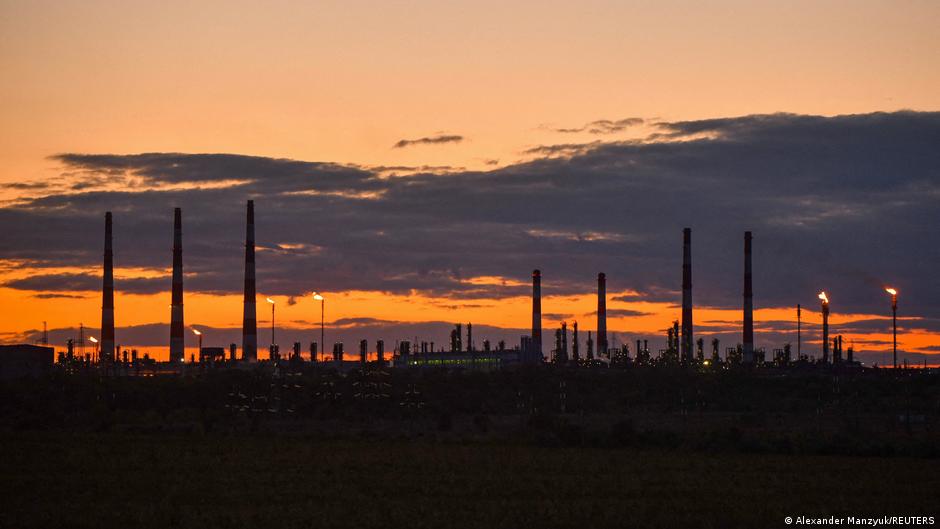
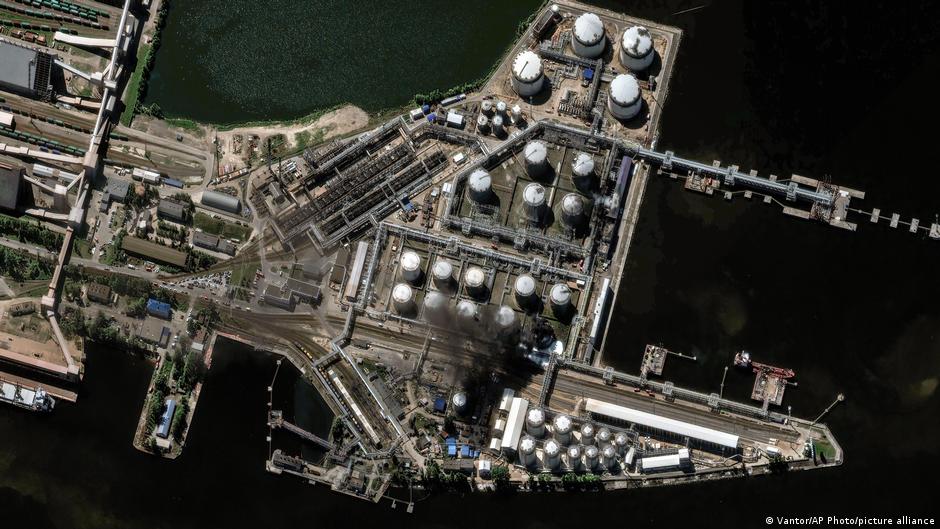
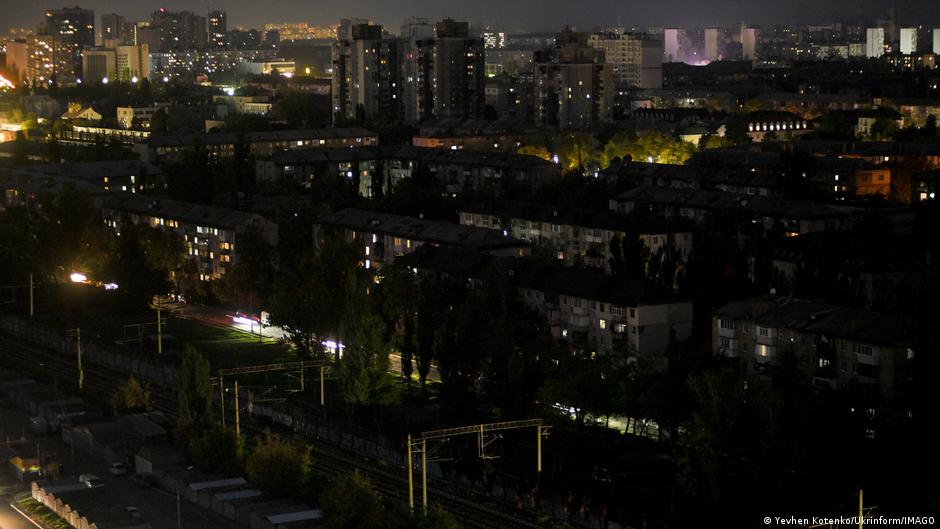
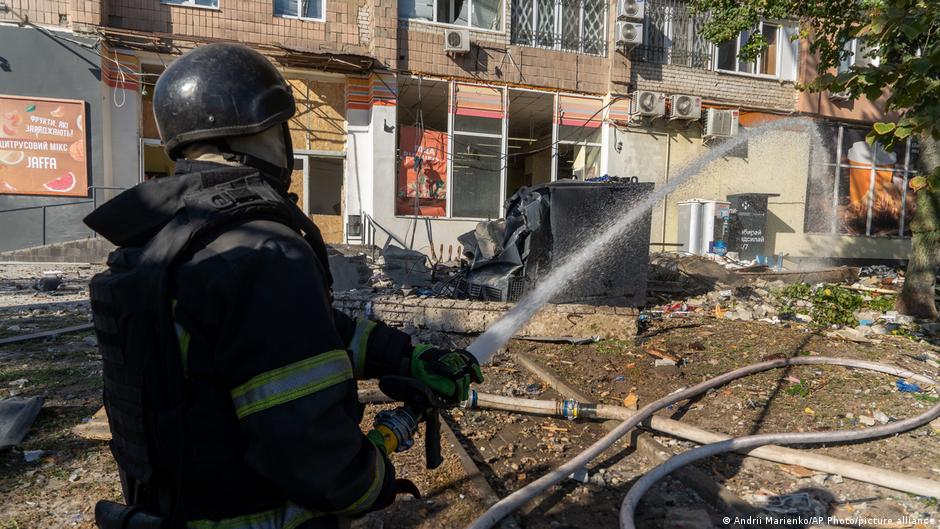
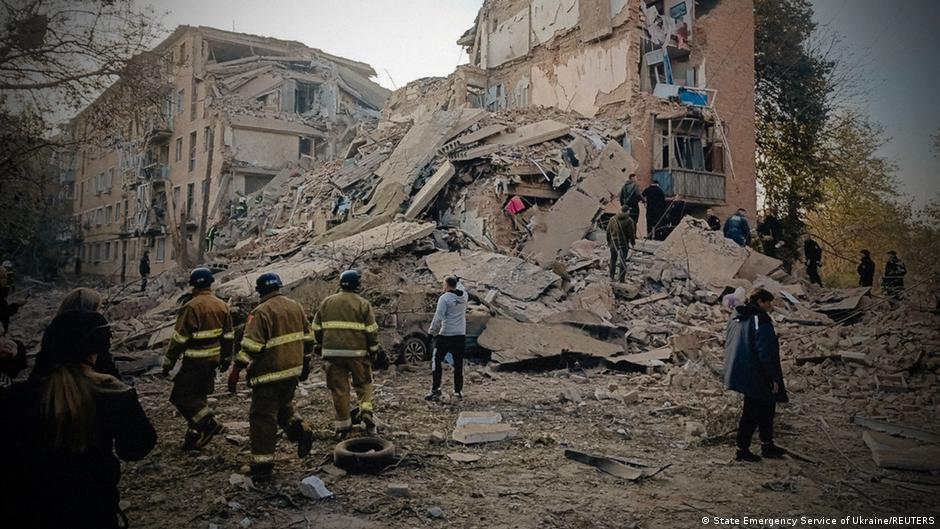
Russian strikes on Kyiv and nearby districts damaged homes, vehicles, industrial sites and logistics assets as talks involving Ukraine, the U.S. and Russia were discussed.

AfD’s projected win in Saxony-Anhalt drew sharp reactions from Poland, Czechia and France, raising questions over coalition strategy in Europe.
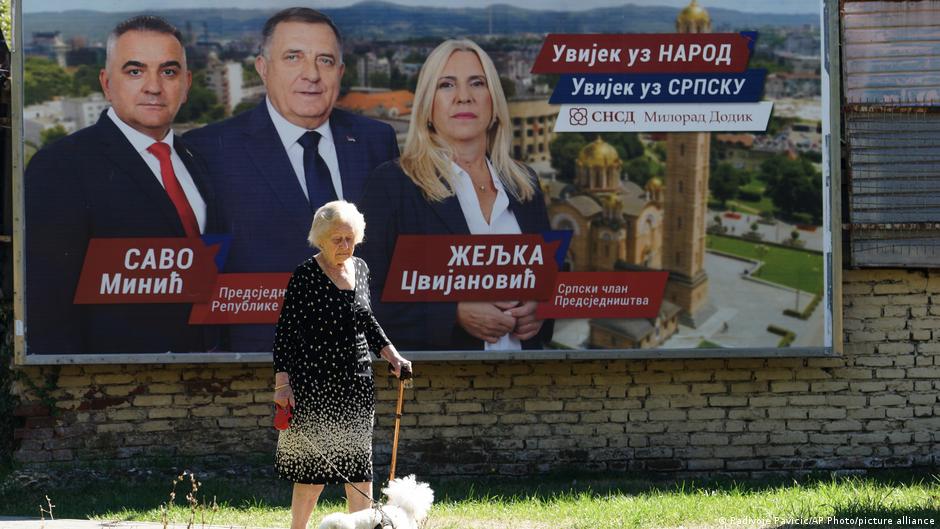
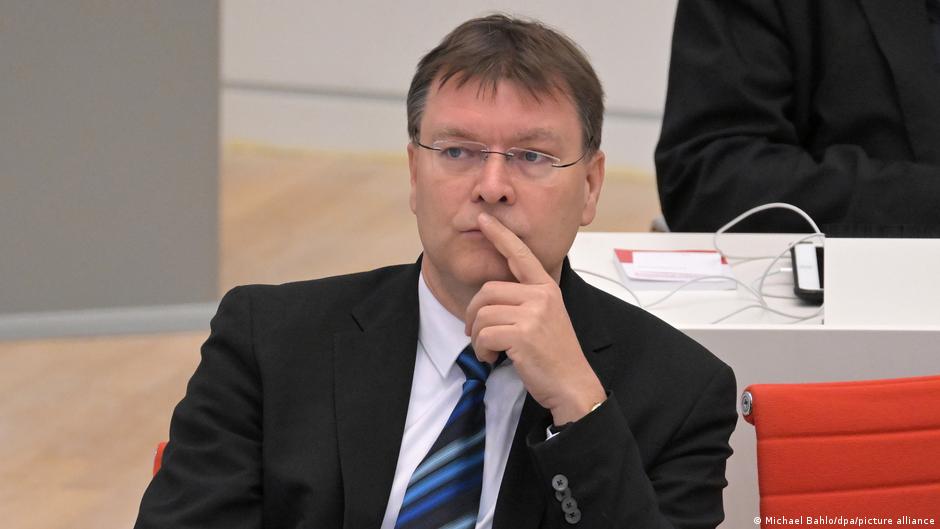
AfD won Saxony-Anhalt with 43.8 percent, but coalition arithmetic leaves BSW, the CDU and minority-government scenarios at the center of the next phase.

Kaja Kallas cancelled an EU defence expert group after German and Italian objections, exposing tensions over defence governance and NATO planning.

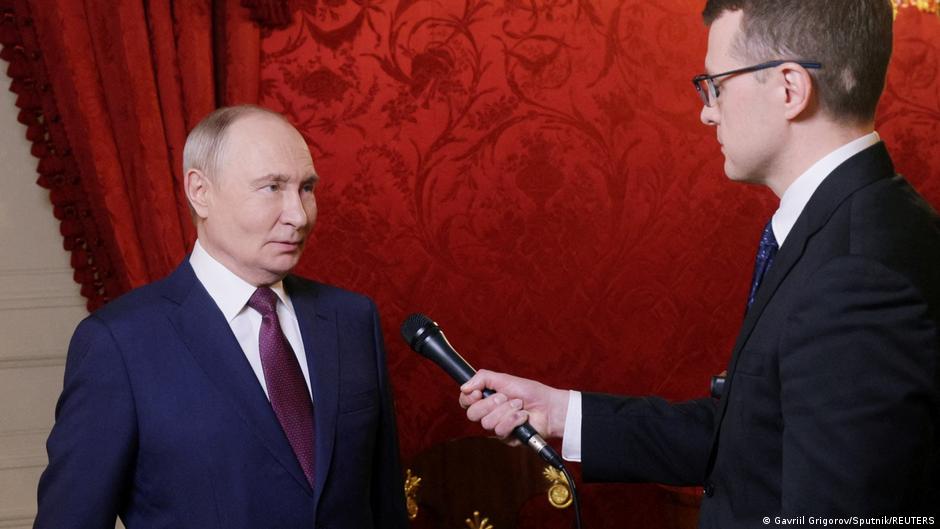
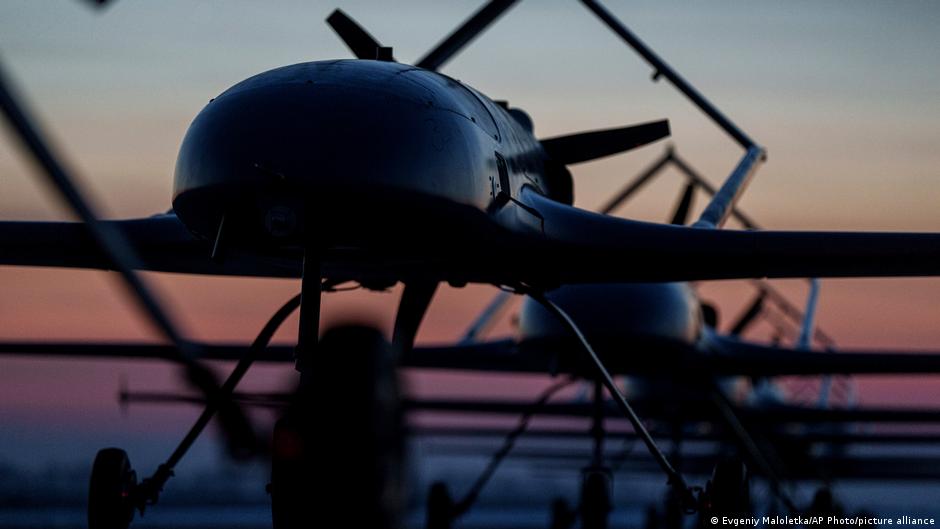
Putin backed a plan to use medically unfit volunteers for rear-area drone defense, signaling pressure on Russia’s manpower strategy.

Germany plans a counter-drone and cyber shield that would give critical infrastructure operators a larger role in national defense.

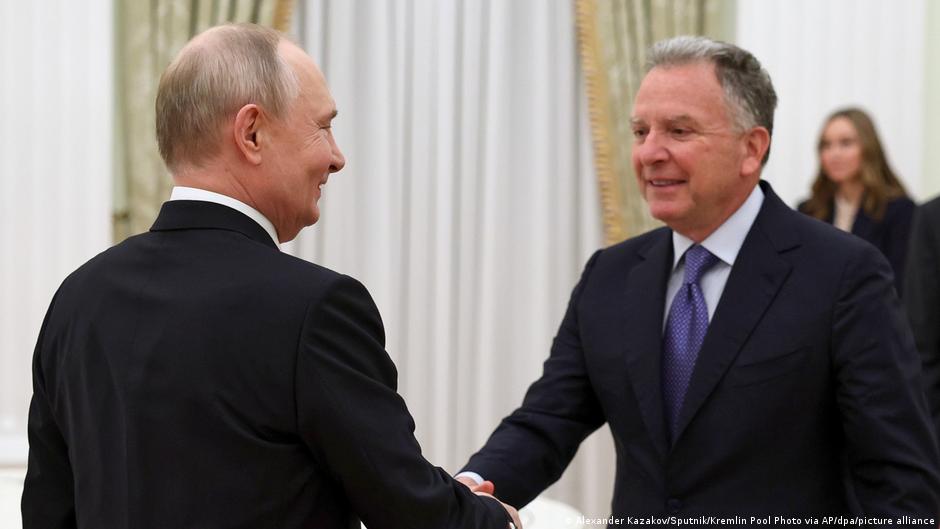
U.S. envoys discussed Ukraine war plans with Putin before heading to Kyiv, in a diplomatic push with broad strategic and business implications.

NABU and SAP searched Ukraine’s Prosecutor General’s Office in a case tied to alleged protection of fraudulent call centers.

Latvia says a Leipzig sabotage suspect had been living in Russia, deepening a case with implications for logistics security, visas and EU sanctions policy.

Volkswagen has approved a historic restructuring plan focused on model cuts, plant reviews, asset optimization and about 50,000 job reductions.

Moscow and Kyiv have both floated diplomatic openings, while U.S. envoys re-enter the process and shape the next phase of potential peace talks.

Norway’s seizure of the Professor Molchanov gives Naftogaz fresh leverage in its campaign to enforce a $5 billion award over expropriated Crimean assets.

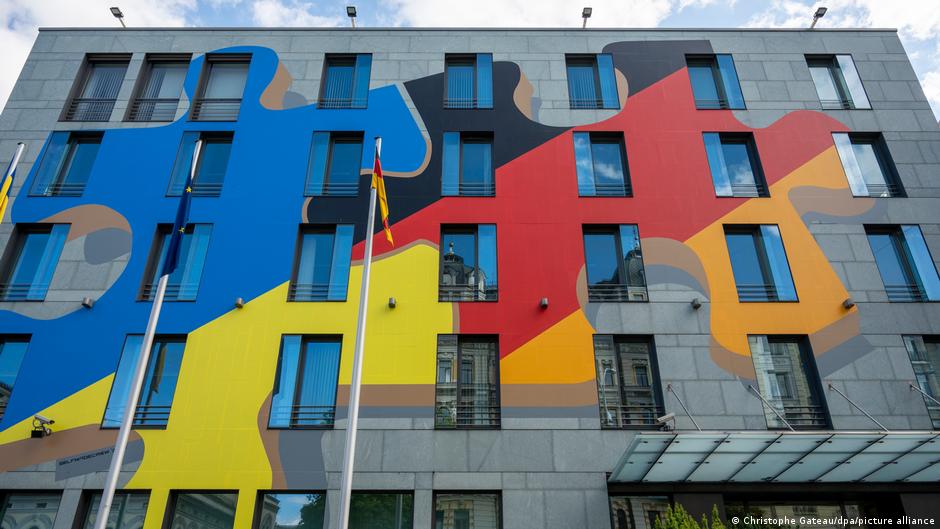
Russia said it will close Goethe-Institut branches after Germany terminated the pact governing the Russian House in Berlin and the institute’s work in Russia.

ICAO’s warning after Ukraine’s notice on Russian airspace raises new pressure on airlines and states to tighten conflict-zone risk management.

Uzbekistan has overhauled tax, licensing and business protections since 2016, reshaping market entry, compliance costs and the wider corporate environment.

Germany’s closure of Russian facilities signals a broader strategy of constraining Moscow’s operational reach, not just issuing a diplomatic protest.

Putin told Pashinyan that Armenia’s move toward EU membership would effectively mean leaving the EAEU, raising the stakes for trade and strategy.

Daniel Driscoll’s resignation after clashes with Pete Hegseth adds to Pentagon turnover and raises questions over Army strategy and procurement.

Germany’s foreign investment rose 50% in 2025 to EUR 86 billion, with UK firms surging and US companies sharply cutting their commitments.

Washington reportedly told Moscow not to expect sanctions relief or wider economic deals before the war in Ukraine ends, reinforcing a hard-line policy stance.

A social-media outcry over Uzbekistan's first ID card fee has widened into a policy test as regional peers charge less or waive first-time issuance.

Uzbekistan’s state announces auction of 100% stake in 'Fonon' jewelry plant, priced at 316.7 billion UZS, amid ongoing financial restructuring and significant debt obligations.

Meta’s $18 billion settlement requires sweeping child-safety changes on Facebook and Instagram, but success depends on flawed age-verification technologies and strategic industry positioning.

Annalena Baerbock will join Columbia University as co-director of a global leadership master's program after completing her term as UN General Assembly President.

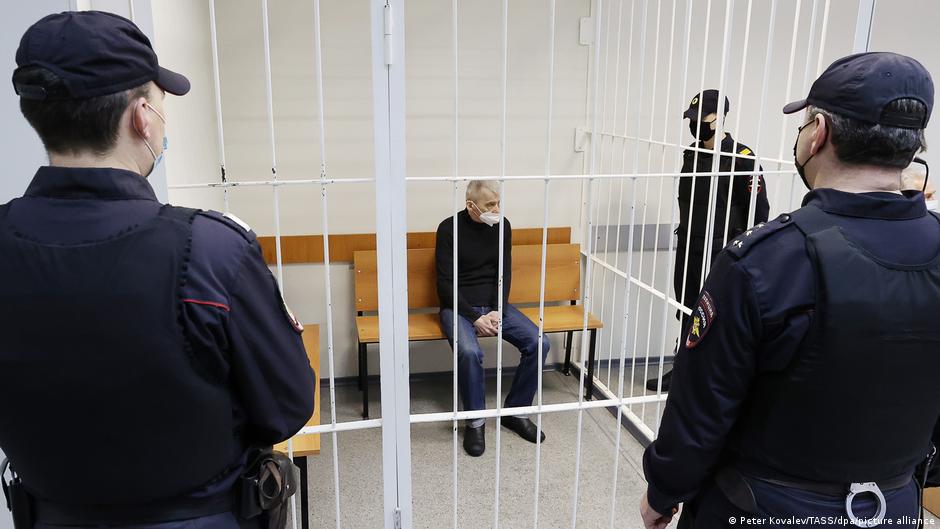
Former pro-government Russian blogger Ilya Remeslo detained after criticizing Putin and undergoing psychiatric evaluation amid charges related to 'fake news' about the military.

The US has removed Syria from its terrorism sponsors list and lifted sanctions on HTS, signaling a major policy shift amid evolving regional geopolitics and economic reintegration.

Russia is reportedly orchestrating covert sabotage on European defense plants using criminal networks, testing NATO's response limits without triggering collective defense actions.

Drone strikes on Ozon’s logistics centers in Krasnodar and Nevinnomyssk caused fires and operational halts, prompting emergency measures and raising security concerns for e-commerce supply chains.

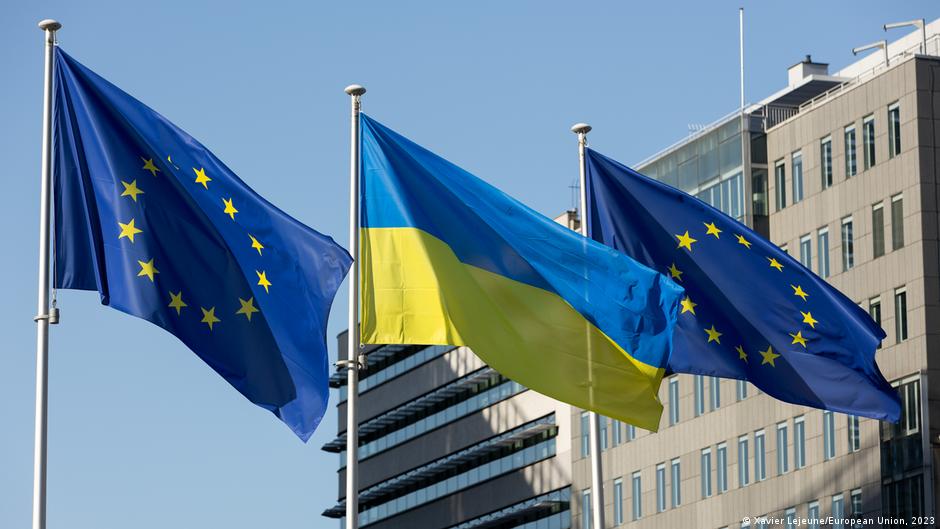
The EU commits to ongoing support for Ukraine, emphasizing long-term integration and sustained sanctions on Russia to ensure regional stability and security.

Russia has created a shadow air fleet comprising military and private aircraft to supply its forces in Africa’s Sahel, bypassing Western sanctions through a complex logistics network.

Nearly 100 people were detained during a raid on a secret music festival near Vyborg, Russia, over political songs and drug use allegations, highlighting risks for underground event organizers.

In 2025, the wage gap between German and foreign full-time employees remains at 23.6%, reflecting ongoing disparities in sectoral employment and qualification levels.

Russia permits individuals with limb amputations to drive buses and trucks, reflecting strategic moves to enhance workforce inclusion and leverage automation in public transport.

Finland summoned Russia's ambassador after a Russian Il-20 reconnaissance plane reportedly entered Finnish airspace for three minutes, highlighting rising regional security concerns.

Latvia has published a list of 170 companies trading with Russia and Belarus despite the Ukraine war, increasing transparency and pressuring firms on geopolitical grounds.

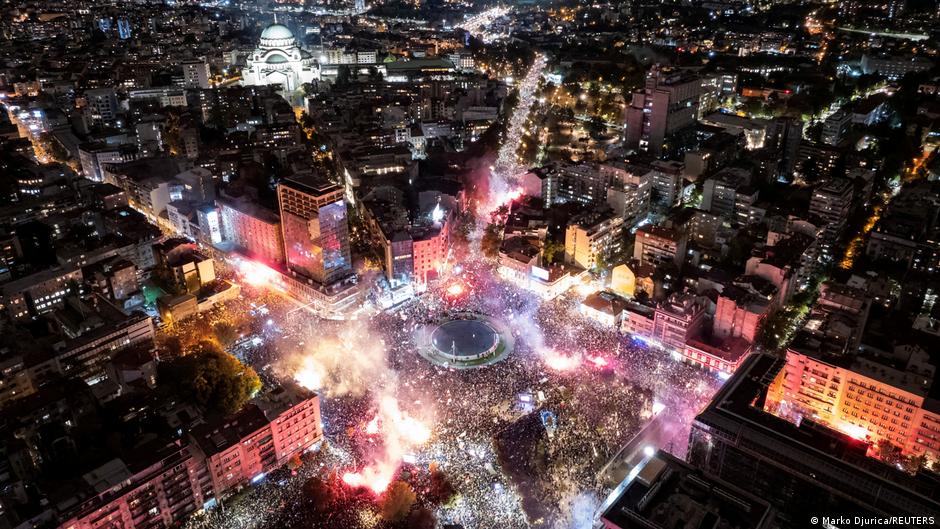
Serbia’s President Vučić announces early parliamentary elections in October 2023 amid protests and anti-corruption demands, signaling a major political shift.

Russian ballistic missile strikes on Kyiv caused multiple civilian casualties and damaged residential and healthcare infrastructure, signaling escalating risks for businesses in the region.

NATO affirms its defense readiness following Iranian threats against military bases in Bulgaria and Cyprus amid rising US-Iran tensions.

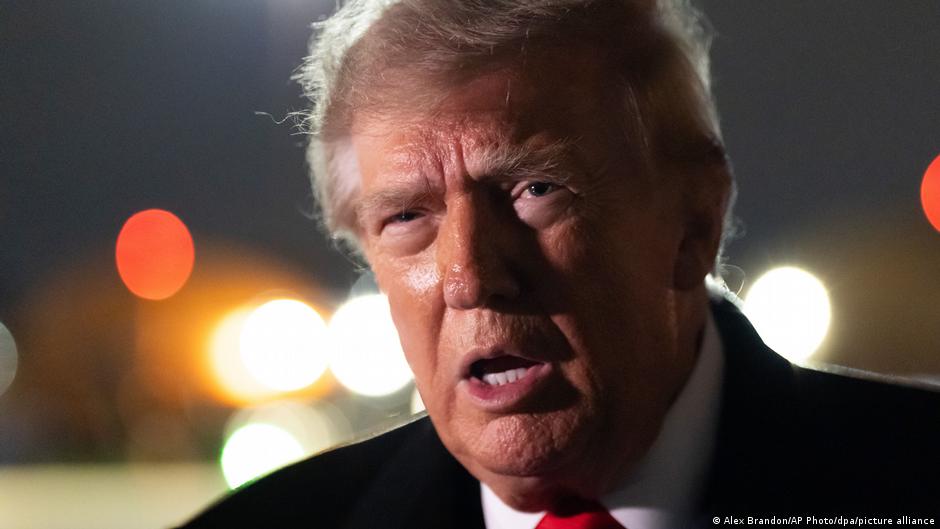
US President Donald Trump launches an unprecedented economic war against Iran, imposing broad sanctions and urging global allies to isolate Tehran commercially and financially.

Former Ukrainian Defense Minister Mikhail Fedorov urges holding elections despite war, highlighting the need for legal and safe mechanisms and warning against loyalty-based government appointments.

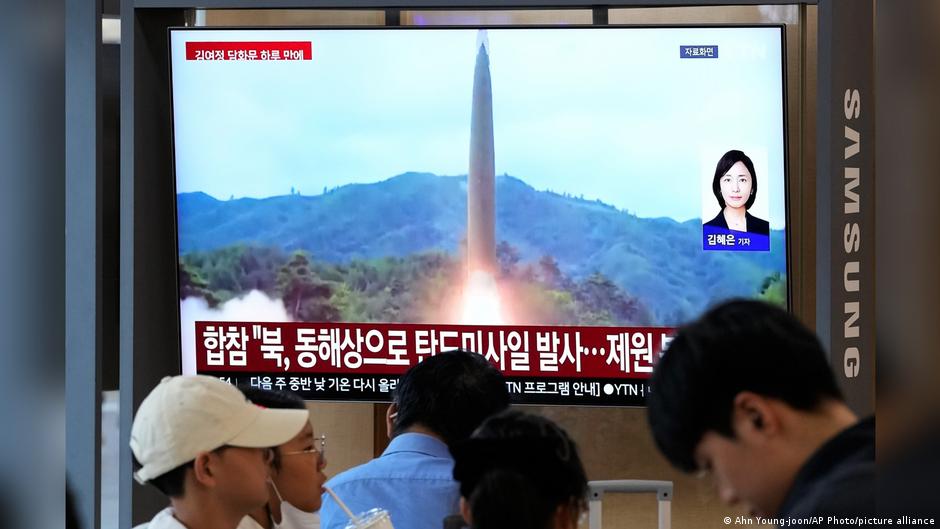
Donald Trump aims to meet North Korean leader Kim Jong Un at the APEC summit to restart stalled nuclear negotiations amid growing regional security concerns.

US threats to Oman amid stalled US-Iran talks threaten regional stability and the future of maritime control in the critical Strait of Hormuz, impacting energy markets and corporate strategies.

Russia’s election chief advocates stripping emigrated citizens labeled as foreign agents of their voting rights, underscoring tightening electoral controls amid geopolitical tensions.

Moscow authorities intercepted over 180 drones during a large-scale nighttime UAV attack impacting residential and industrial areas near the capital.

The US orders a significant reduction in joint military exercises with South Korea, citing cost concerns and evolving diplomatic relations with North Korea and Seoul's Iran stance.

Jared Kushner’s recent meeting with Hamas leaders in Egypt signals strategic US efforts to advance Gaza peace through disarmament and governance reforms amid regional tensions.

Qatar denies detaining Iranian pilots after an airspace violation, emphasizing compliance with international law amid ongoing diplomatic efforts to reduce Middle East tensions.

Germany’s conservative CDU/CSU block falls to 20% support, while far-right AfD leads at 28%, signaling strategic shifts ahead of regional elections.