AfD’s Saxony-Anhalt Win Raises Strategic Risks for Europe’s Political Center
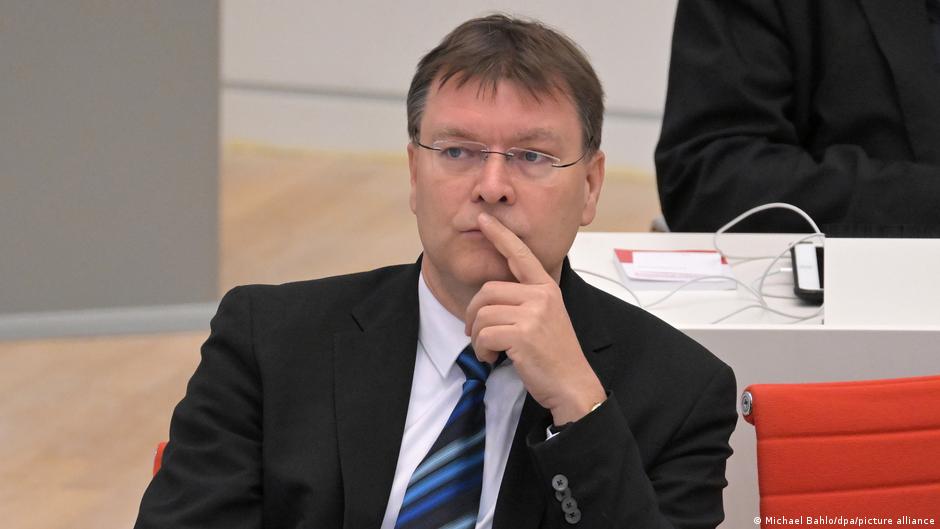
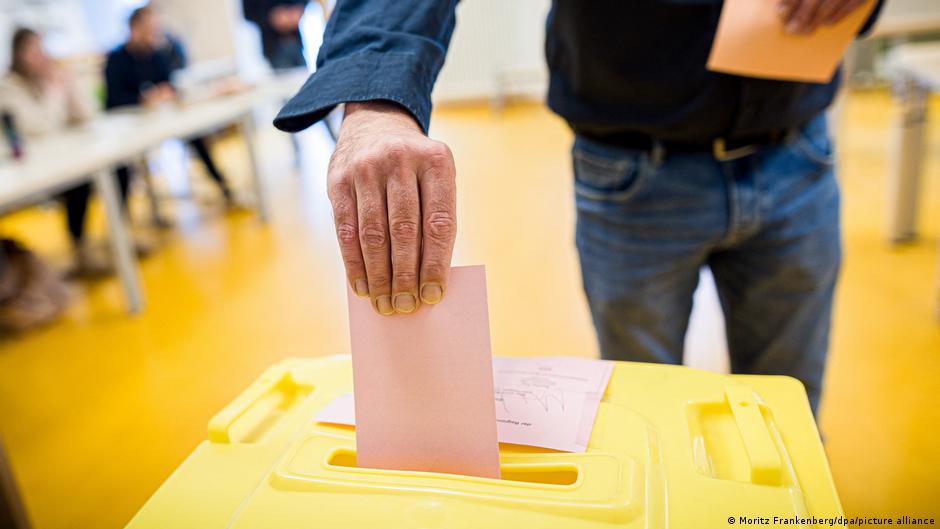
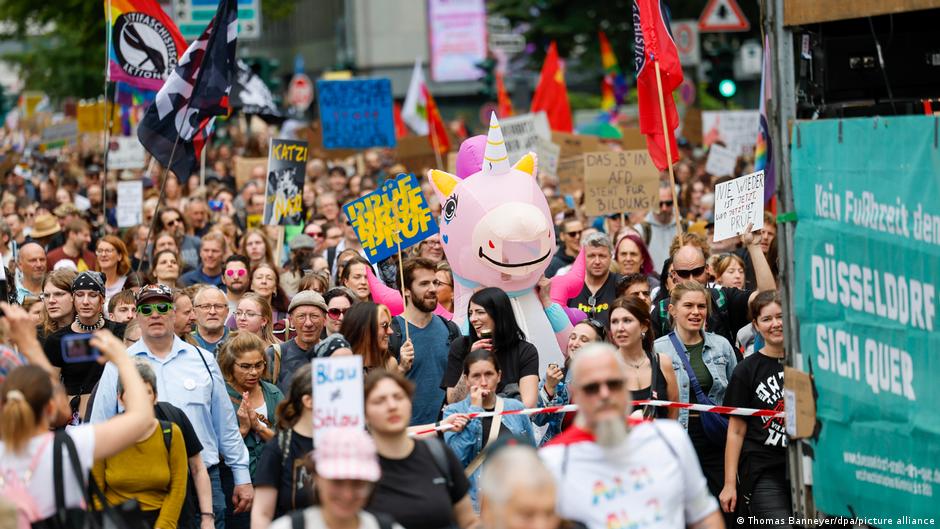
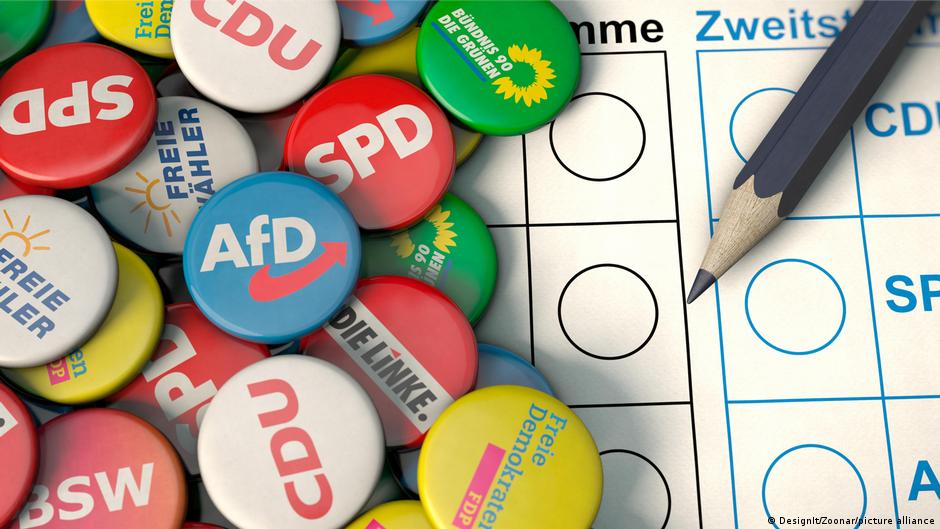
AfD’s projected win in Saxony-Anhalt drew sharp reactions from Poland, Czechia and France, raising questions over coalition strategy in Europe.
AfD’s projected win in Saxony-Anhalt drew sharp reactions from Poland, Czechia and France, raising questions over coalition strategy in Europe.

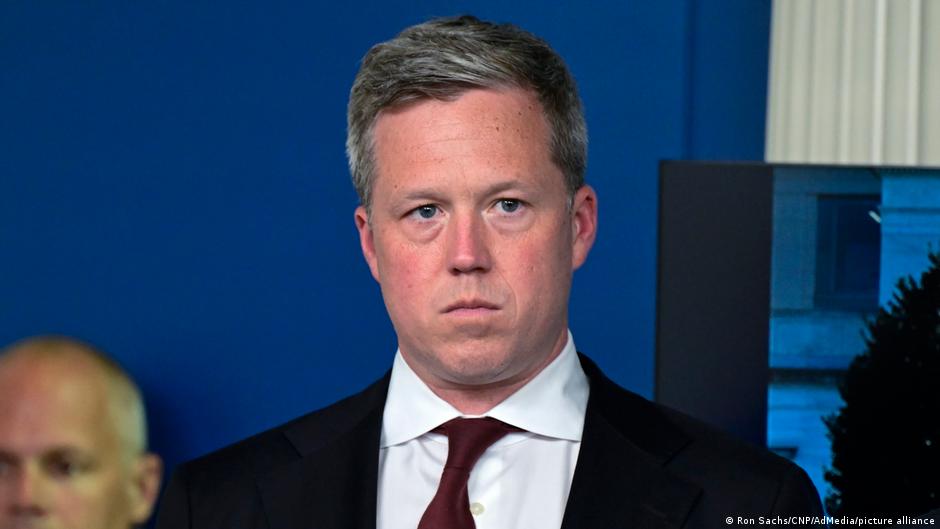
Daniel Driscoll’s resignation after clashes with Pete Hegseth adds to Pentagon turnover and raises questions over Army strategy and procurement.

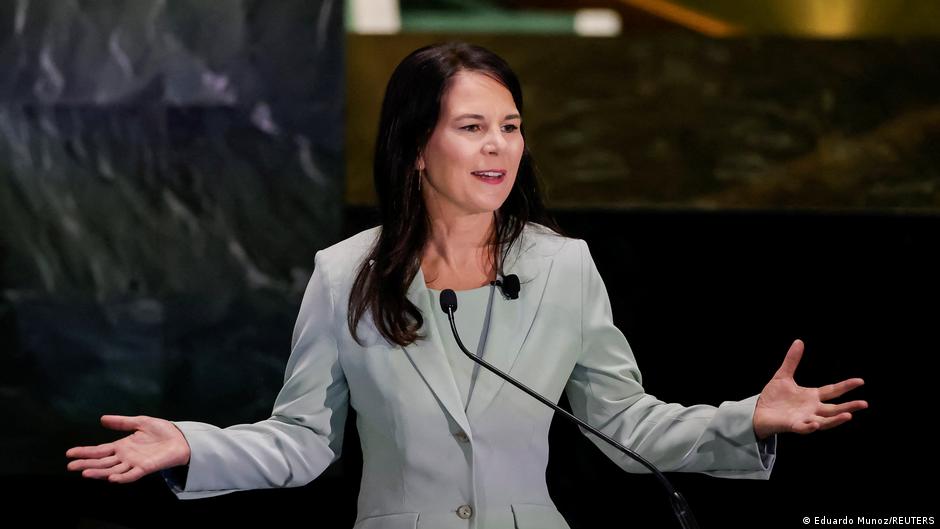
Annalena Baerbock will join Columbia University as co-director of a global leadership master's program after completing her term as UN General Assembly President.

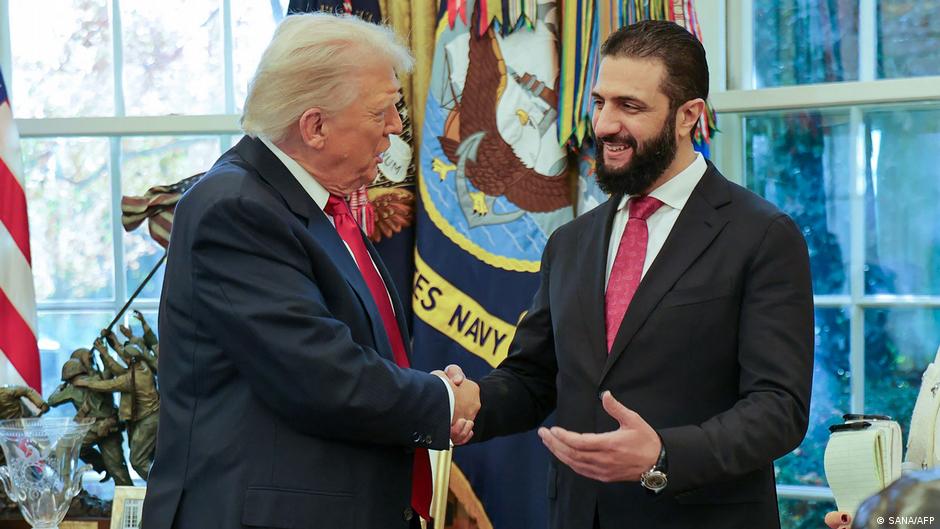
The US has removed Syria from its terrorism sponsors list and lifted sanctions on HTS, signaling a major policy shift amid evolving regional geopolitics and economic reintegration.

Russia is reportedly orchestrating covert sabotage on European defense plants using criminal networks, testing NATO's response limits without triggering collective defense actions.

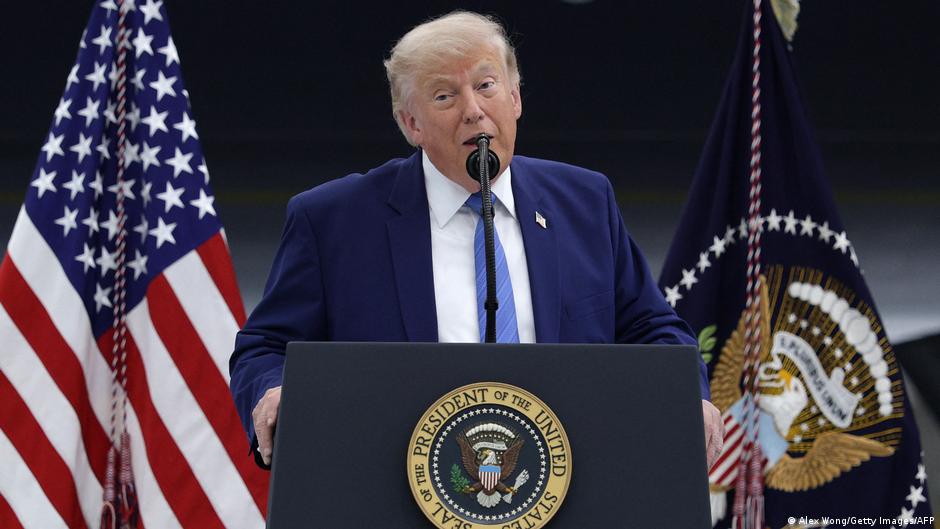
US President Donald Trump launches an unprecedented economic war against Iran, imposing broad sanctions and urging global allies to isolate Tehran commercially and financially.

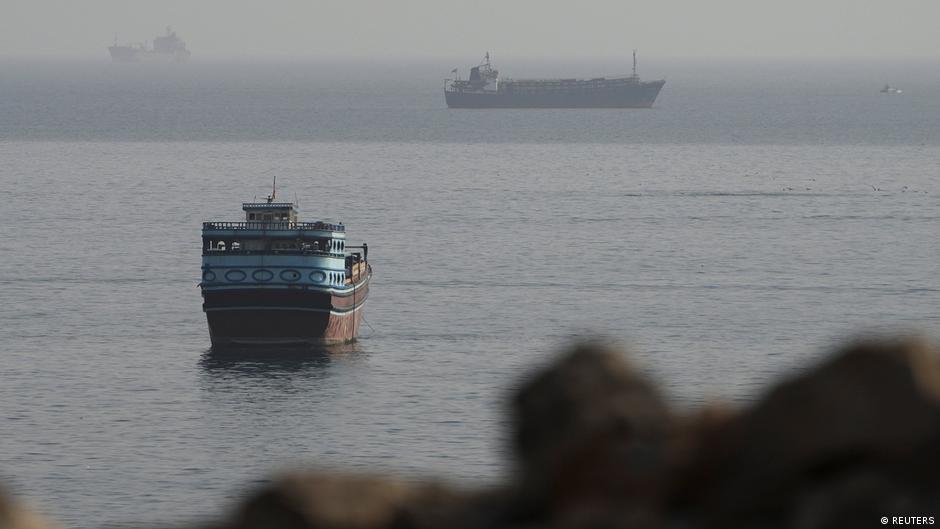
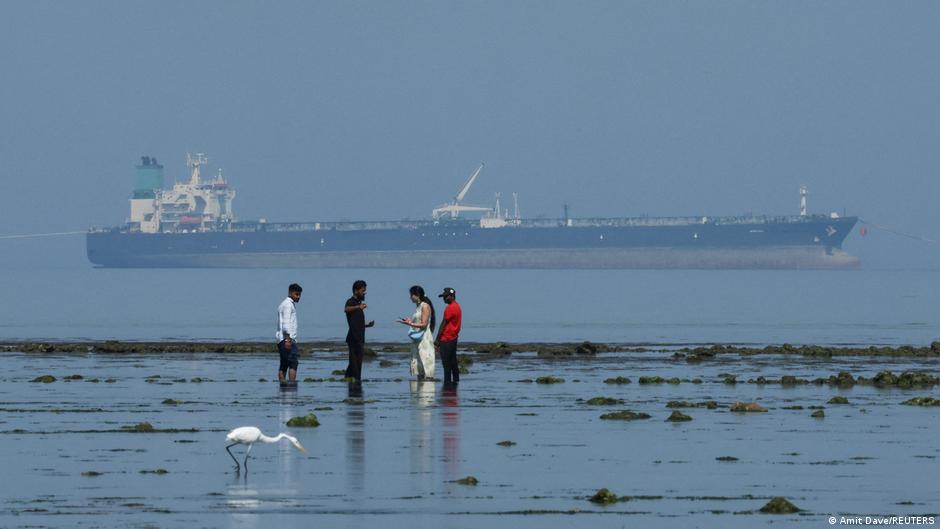
US threats to Oman amid stalled US-Iran talks threaten regional stability and the future of maritime control in the critical Strait of Hormuz, impacting energy markets and corporate strategies.

Germany’s conservative CDU/CSU block falls to 20% support, while far-right AfD leads at 28%, signaling strategic shifts ahead of regional elections.

The US disabled the steering of a Panamanian container ship attempting to breach Iran’s blockade, reinforcing control over the Strait of Hormuz and signaling risks for maritime trade.

Germany warns of increasing hybrid warfare threats and enhances anti-drone capabilities with a new national research center to protect critical infrastructure.

Major Russian banks face web access issues as international browsers block their sites due to revoked TLS/SSL certificates amid geopolitical sanctions.
Former Spanish PM Mariano Rajoy's remarks on the French football team sparked accusations of xenophobia, highlighting political divisions and challenges around national identity in Europe.

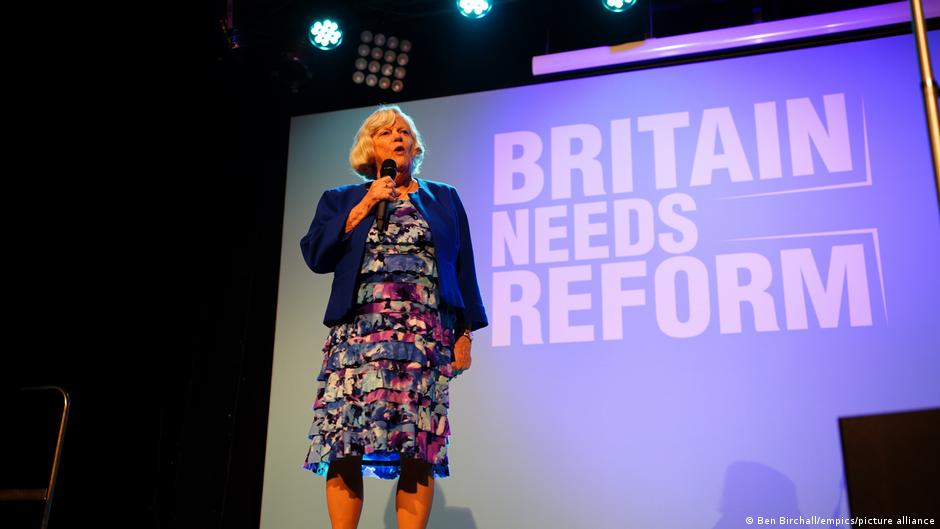
Former Conservative MP Anne Widdecombe, a prominent figure in UK right-wing politics, was murdered, prompting concerns over politician security and political tensions.

US President Trump pledges to remove Syria from the terrorism sponsorship list, opening new investment opportunities and signaling a strategic US policy shift in the Middle East.

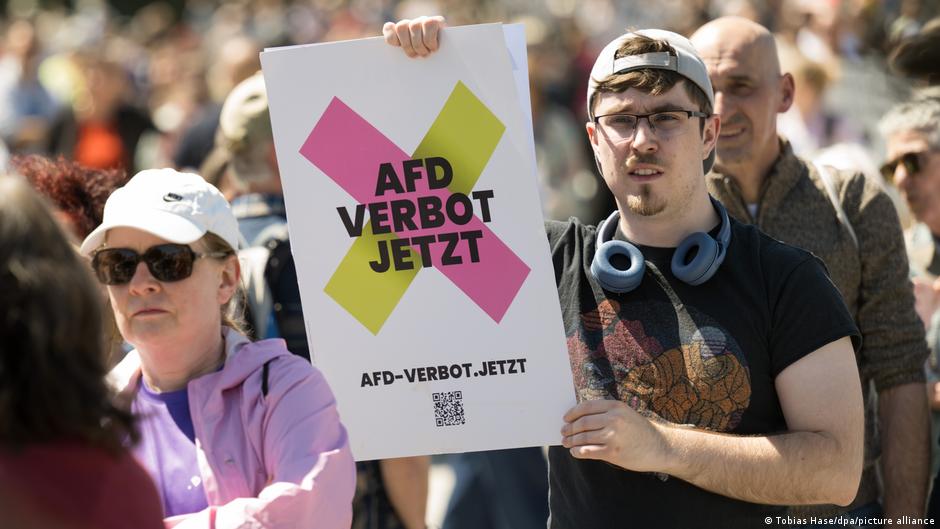
A recent Insa poll shows 45% of Germans oppose banning the far-right AfD party despite its lead over CDU/CSU, highlighting political divisions and implications for Germany's corporate landscape.

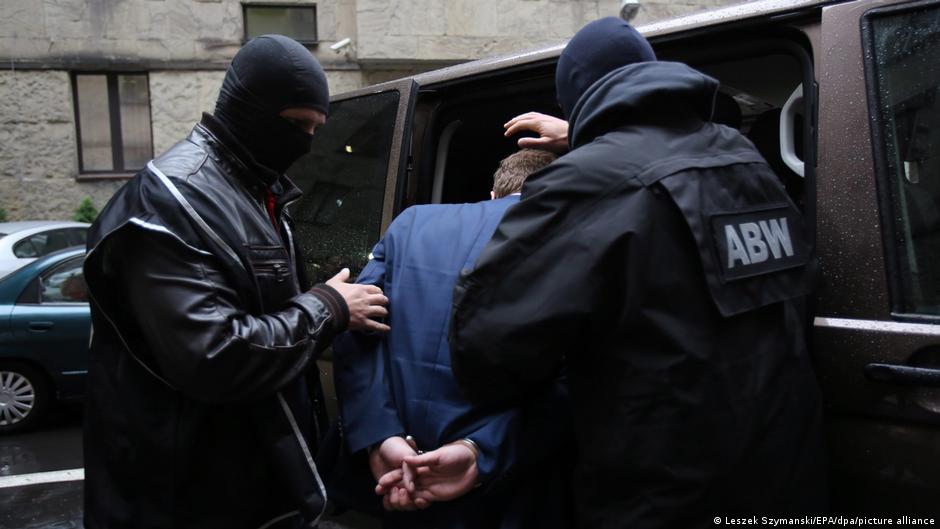
Poland expelled 11 foreign nationals accused of organizing Russia-funded protests among Ukrainian refugees, highlighting persistent geopolitical interference risks.

Russia's maritime oil exports hit a peak weekly volume in June 2026 despite intensified competition from Iran after US sanctions relief, highlighting complex strategic challenges.

The US and Iran have agreed on a communication channel to prevent incidents in the Strait of Hormuz, establishing a 60-day roadmap for final agreements amid ongoing regional conflicts.

The US may impose transit fees on vessels through the Strait of Hormuz if Iran talks fail, affecting energy shipments and regional maritime strategy.

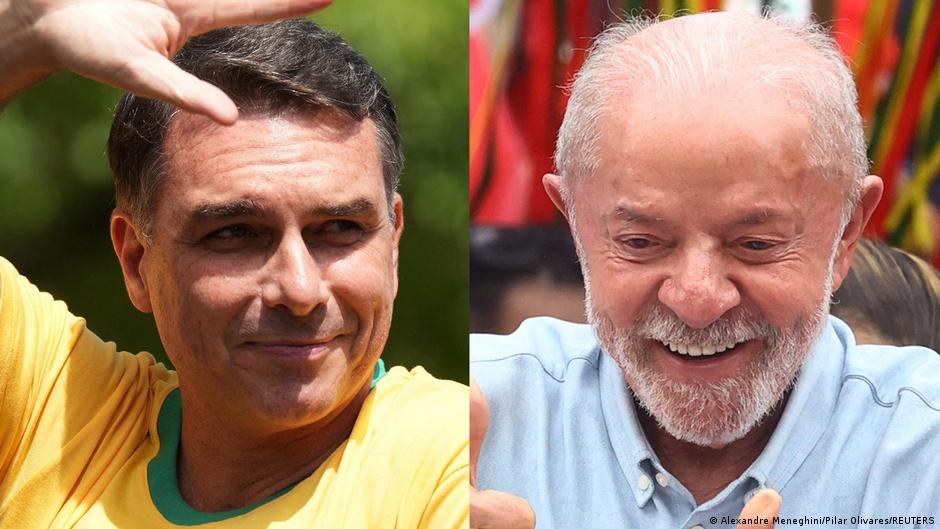
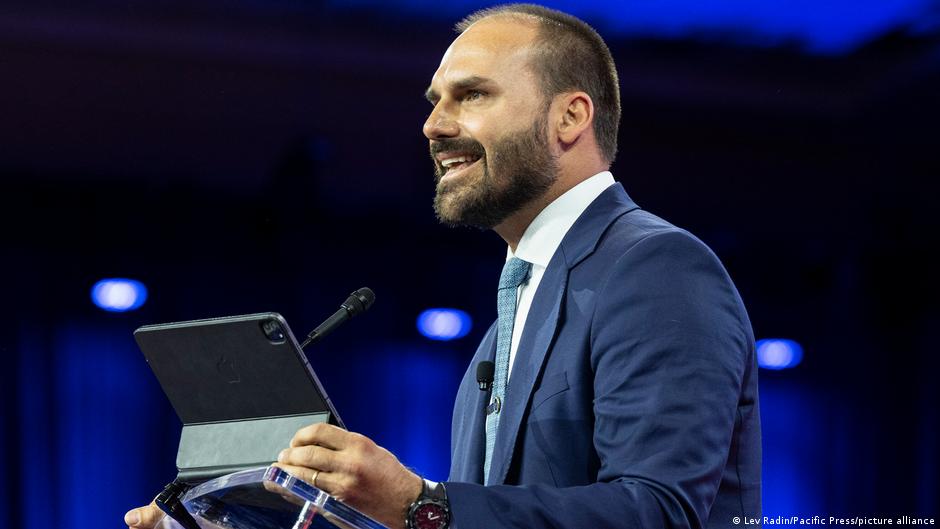
Eduardo Bolsonaro is sentenced in absentia to over four years in prison for lobbying against Brazil from abroad amid ongoing legal cases involving the Bolsonaro family.

US President Trump cancels planned airstrikes on Iran amid progress in multilateral negotiations involving key regional actors, signaling a potential diplomatic resolution to ongoing tensions.

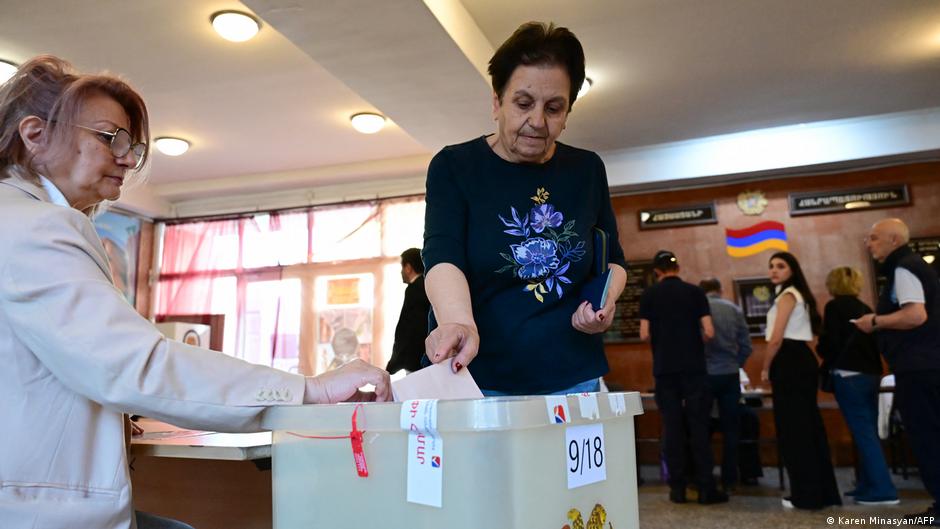
Armenia’s ruling party secures parliamentary majority, reinforcing Pashinyan’s pro-EU course amid opposition challenges and Russian economic pressures.

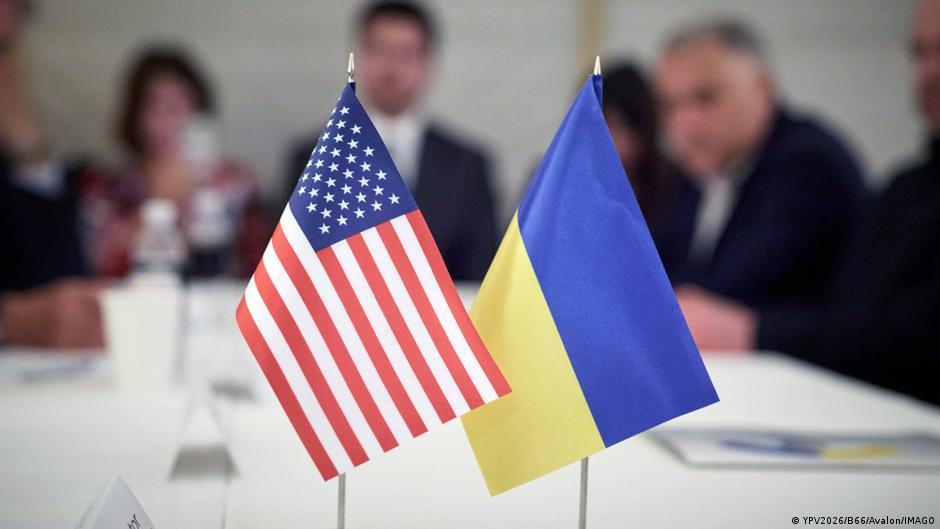
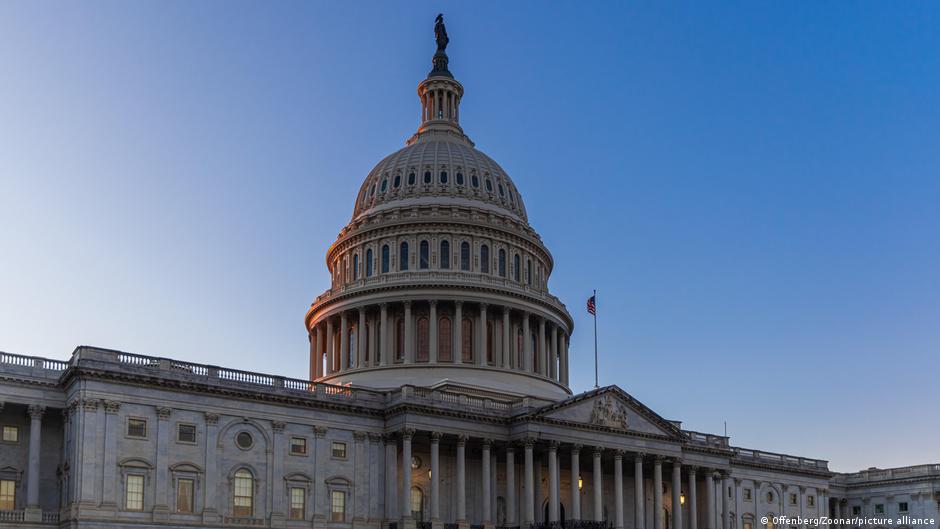
The US House approved a bill expanding military aid to Ukraine and sanctions on Russia, pending Senate approval amid partisan debates and potential presidential veto.

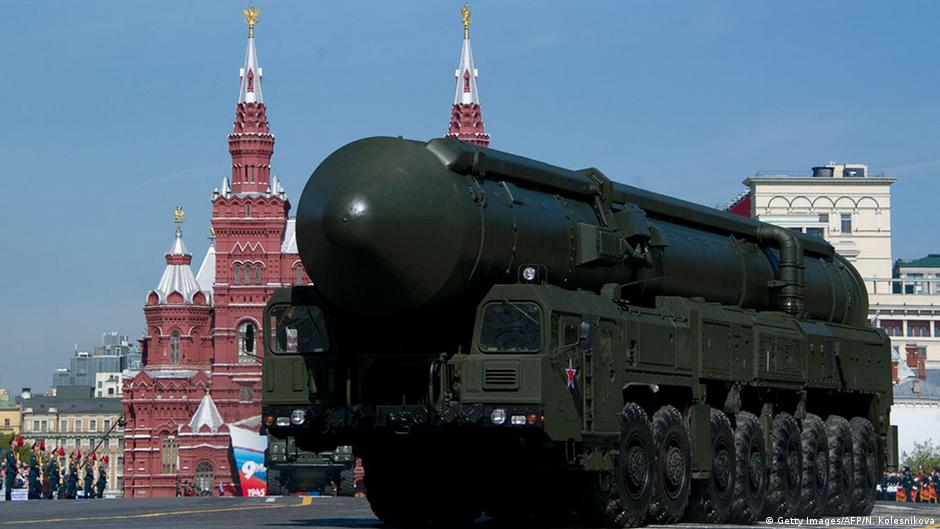
NATO intelligence reveals Russia’s secret 'Skif' project deploying nuclear-capable missiles on the seabed, signaling a strategic shift in underwater nuclear deterrence.

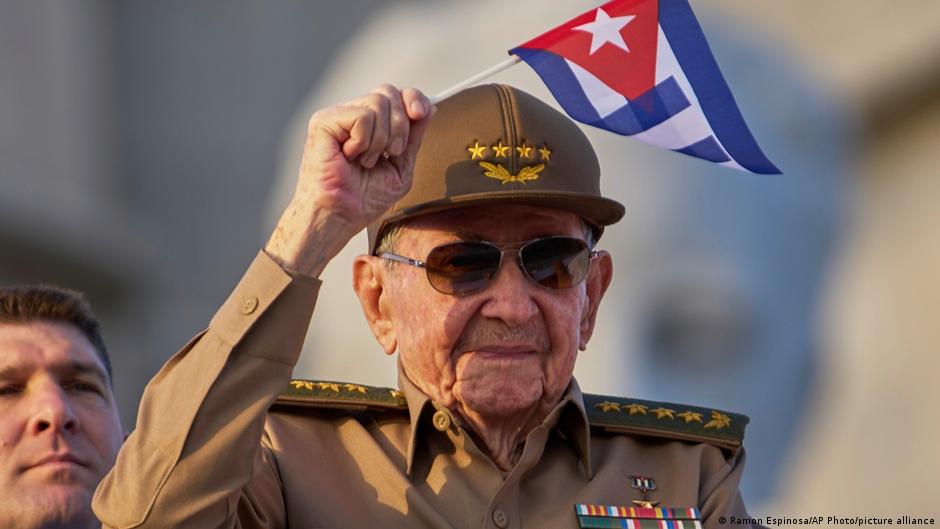
The US charged former Cuban leader Raul Castro with conspiracy to kill four Americans in a 1996 incident, intensifying tensions amid shifting regional alliances and US sanctions.

The US Senate advances a resolution requiring presidential approval for military actions against Iran, reflecting tensions over war powers and implications for global business risks.

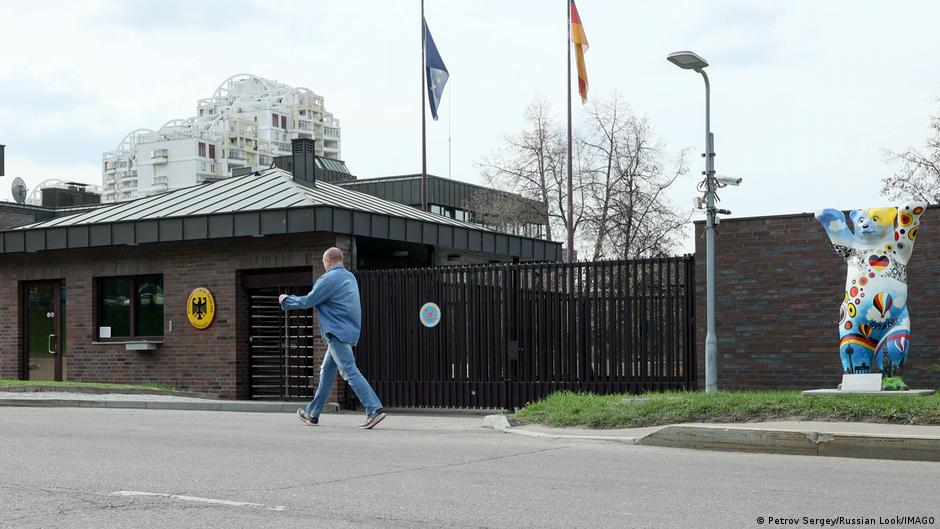
Moscow has granted agrément to Clemens von Goetze as Germany's new ambassador amid strained Russia-Germany relations and shifting diplomatic strategies.

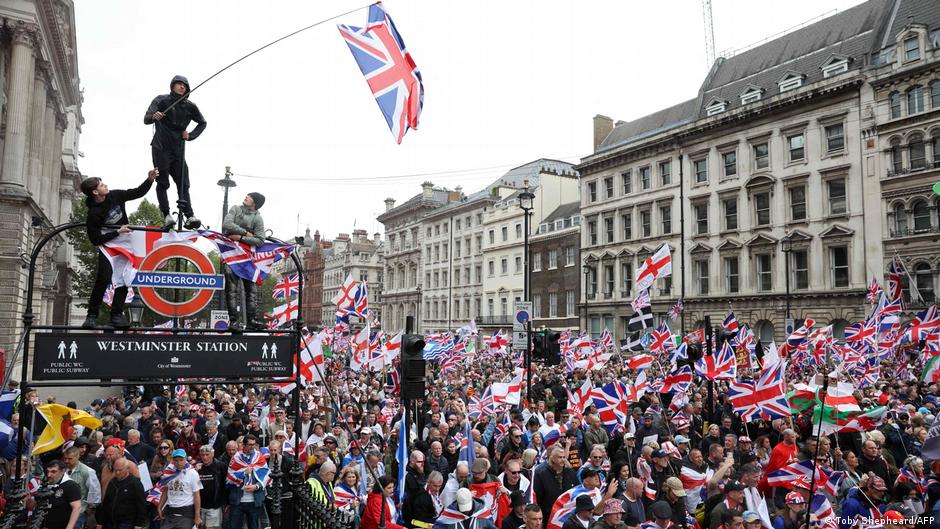
London hosted simultaneous far-right and pro-Palestinian rallies drawing tens of thousands, highlighting political divisions and raising security concerns during nationwide demonstrations.

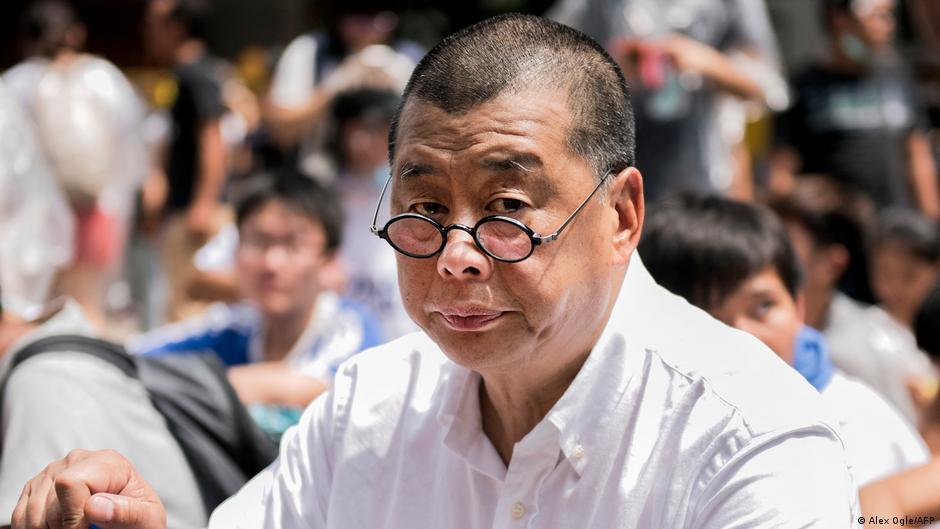
Former President Trump reveals China refuses to release Hong Kong media mogul Jimmy Lai, sentenced to 20 years for supporting protests, highlighting risks for businesses in politically sensitive regions.

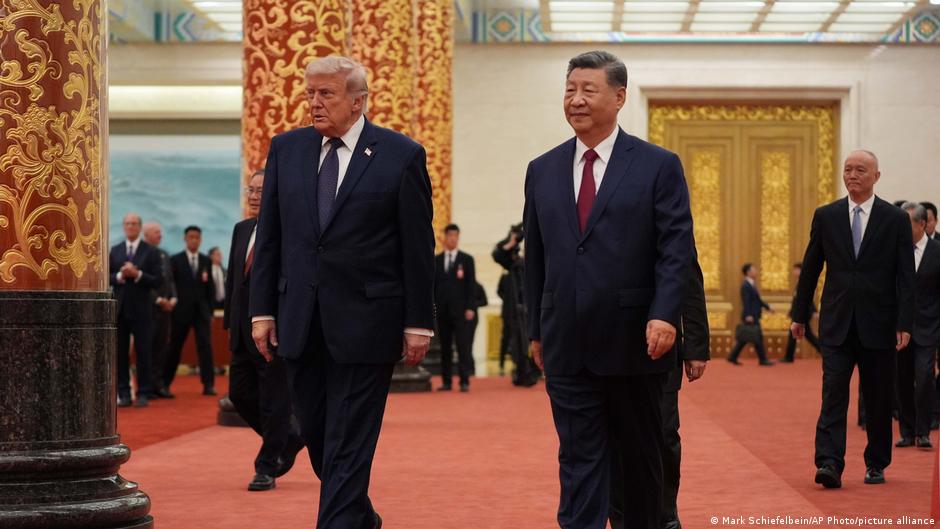
China's renewed interest in US oil and soybeans signals potential shifts in trade and geopolitical strategies following high-level talks between Presidents Trump and Xi Jinping.

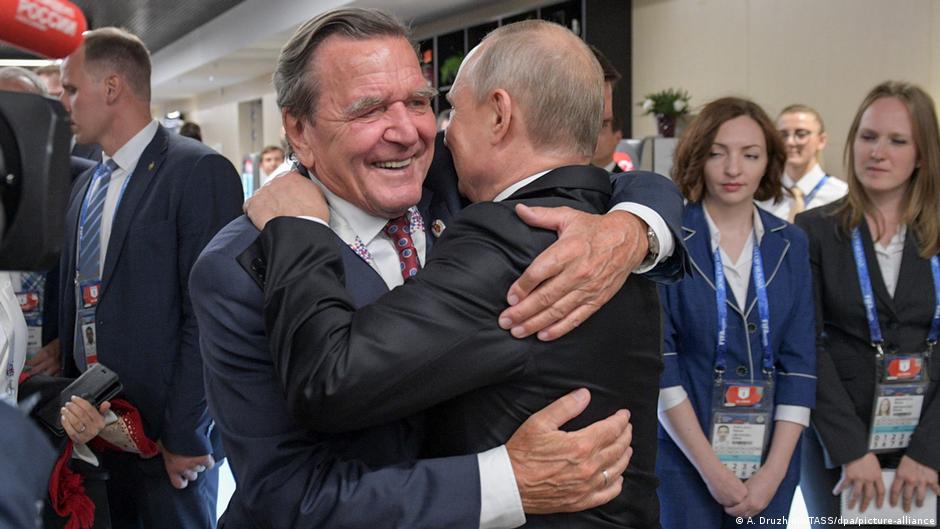
Putin names Gerhard Schröder as preferred EU negotiator for Ukraine peace talks, emphasizing the need for respectful dialogue and signaling Russia's strategic diplomatic approach.

Iran mandates detailed vessel data for tankers in the Strait of Hormuz, raising strategic and compliance challenges amid U.S.-Iran tensions and possible transit fees.

Nicolas Sarkozy has been granted early parole in the 2012 campaign finance overspending case, amid multiple convictions affecting his legal and political future.

Jean-Luc Mélenchon has confirmed his candidacy for France's 2027 presidential election, setting the stage for a pivotal left-right political contest in a post-Macron era.

Viktor Orbán declines his parliamentary seat to focus on reorganizing Fidesz after electoral defeat, while Péter Magyar’s incoming government signals policy shifts in Hungary’s foreign relations.

The US Treasury will not extend temporary waivers for purchasing Russian and Iranian oil shipments at sea, signaling a stricter sanctions regime amid geopolitical tensions.

Julia Klöckner's Signal account was hacked in a phishing attack compromising CDU leadership communications, highlighting cybersecurity vulnerabilities in German politics.