Putin Identifies Gerhard Schröder as Preferred EU Negotiator in Ukraine Conflict Talks
Russian President Vladimir Putin signals readiness for dialogue, emphasizing choice of EU negotiator without hostile rhetoric.
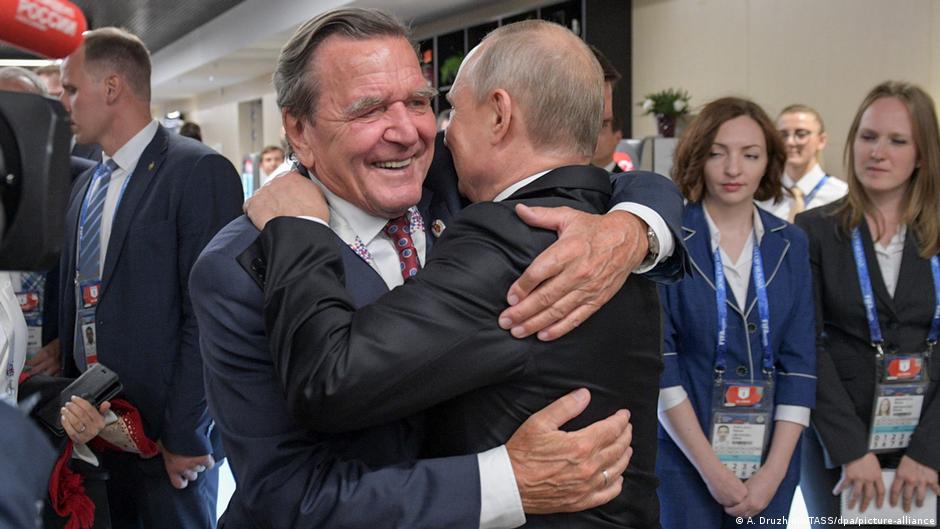
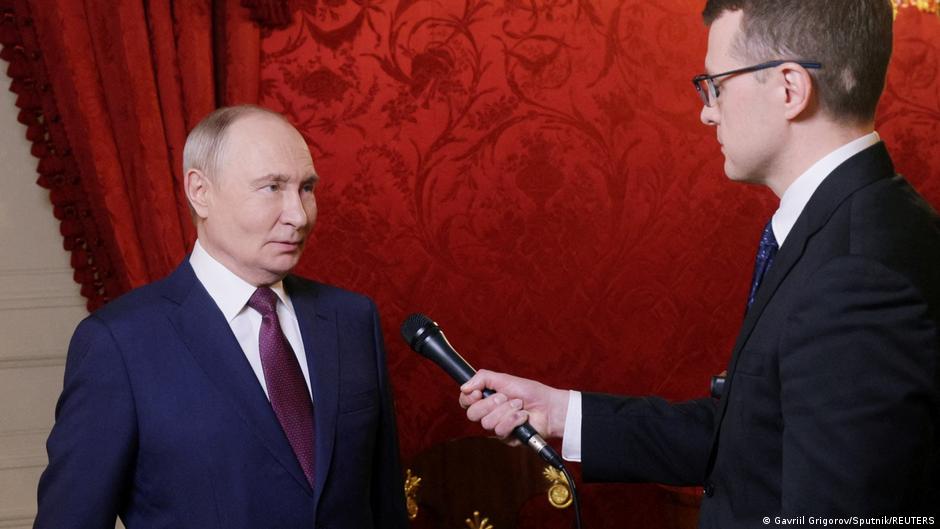
As the conflict between Russia and Ukraine approaches a potential conclusion, Russian President Vladimir Putin has publicly expressed Moscow's readiness to engage in negotiations, outlining specific conditions for dialogue. In a press conference held on May 9, Putin named former German Chancellor Gerhard Schröder as his preferred candidate to represent the European Union in talks aimed at ending the war.
Putin’s Strategic Choice of Negotiator
When asked about European politicians with whom he could hold constructive discussions, Putin stated, "For me personally, the preferred candidate is former Federal Chancellor Mr. Schröder." This endorsement is notable given Schröder's well-documented close ties with Putin and his post-chancellor involvement in projects linked to Russia, including leadership roles at the Nord Stream pipeline operator and the Russian oil giant Rosneft.
Putin stressed that Russia seeks a negotiating partner from Europe who refrains from derogatory statements against Moscow, emphasizing that Russia has "always" engaged respectfully with the EU despite recent tensions. However, Putin’s rhetoric has included insults targeting European countries and politicians since the onset of hostilities, revealing a complex dynamic in Moscow's diplomatic posture.
"Russia is open for dialogue, but Europe must choose a negotiator who has not uttered hostile remarks against us," Putin said, underscoring the importance of mutual respect in any talks.
Moreover, Putin referenced Finland's accession to NATO, stating he would have "shown a gesture and said something" in response to the move and alleged territorial ambitions by the Nordic country. This highlights ongoing geopolitical sensitivities underlying Russia’s negotiation stance.
Context and Implications for Corporate and Geopolitical Strategies
Official negotiations between Russia and Ukraine remain stalled; Russian Foreign Minister Sergey Lavrov confirmed in mid-April that no formal talks are underway. Yet, Putin mentioned that Slovak Prime Minister Robert Fico had conveyed Ukrainian President Volodymyr Zelensky's willingness to meet at a summit level, suggesting that dialogue could occur if "final agreements" are reached that ensure a long-term resolution.
Ukraine, however, has repeatedly dismissed invitations to meet on Russian or Belarusian soil, reflecting deep mistrust amid ongoing hostilities.
Putin’s endorsement of Schröder as an EU interlocutor is significant for several reasons. Schröder, Chancellor from 1998 to 2005, has served as a key pro-Russian figure in Germany’s political-business nexus, often advocating for closer ties with Moscow and opposing sanctions. His involvement in energy projects critical to Europe’s supply chain, such as Nord Stream, underscores the intertwining of business and geopolitics.
Schröder’s stance during the conflict has remained sympathetic to Russia. In January 2026, he criticized the "demonization" of Russia and advocated for resuming imports of Russian energy resources, emphasizing affordability and energy security.
From a corporate strategy perspective, Putin’s nomination of Schröder signals Moscow’s preference for negotiations led by individuals blending political experience with business acumen and established ties to Russian economic interests. This approach may aim to facilitate deals that protect key Russian energy projects and influence European energy policy.
Notably, this mirrors previous Kremlin tactics, such as Putin’s reported lobbying for Steve Witkoff, a businessman favored by the Trump administration, as a U.S. interlocutor. Witkoff’s profile as a businessman rather than a conventional politician aligned with Kremlin preferences for less bureaucratic negotiation channels, allowing more flexible engagement.
Future Outlook and Competitive Landscape
As Russia signals readiness to negotiate under specific conditions, the selection of negotiating partners becomes a critical strategic variable. From the EU's perspective, endorsing Schröder—a figure controversial due to perceived Kremlin influence—may risk internal political backlash and complicate unified European negotiation strategies.
Meanwhile, energy companies and international investors will closely watch these developments. The outcome of negotiations could reshape energy supply chains, sanctions regimes, and cross-border investment flows, particularly affecting Germany’s energy sector and Russia’s role as a major supplier.
Overall, Putin’s public positioning reflects a calculated blend of political signaling and business-oriented diplomacy, aiming to leverage established relationships to steer the conflict’s resolution in a manner favorable to Russian interests.
In this context, stakeholders in the corporate and geopolitical arenas must carefully monitor negotiation dynamics, leadership selections, and the evolving European response to safeguard economic and strategic priorities amid the ongoing war and its aftermath.