NATO Intelligence Reveals Russia's Underwater Nuclear Missile Deployment Strategy
NATO tracks Russia’s secretive 'Skif' project involving seabed-based ballistic missiles, signaling a strategic shift in nuclear deterrence and military capabilities.
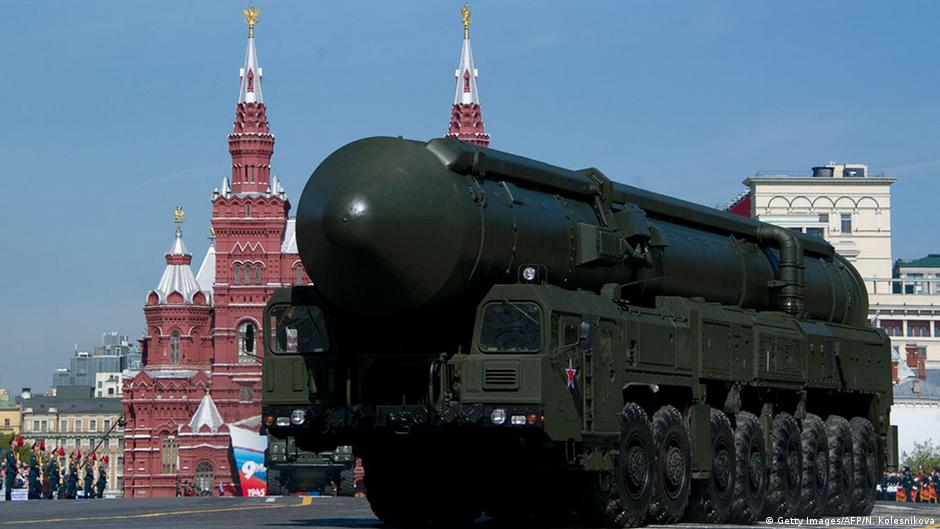
Recent intelligence from NATO has uncovered a covert Russian military initiative involving the deployment of nuclear-capable ballistic missiles on the seabed, marking a significant development in underwater strategic weapons technology. This revelation stems from a comprehensive investigation conducted by German media outlets ARD, WDR, and NDR, which analyzed satellite imagery, military databases, and expert testimony over several months.
Strategic Implications of Russia’s 'Skif' Missile Project
The so-called 'Skif' project reportedly centers around a modified variant of Russia's existing "Sineva" submarine-launched ballistic missiles, adapted for launch from seabed installations. According to NATO sources cited in the investigation, these missiles can be concealed in custom-built shafts or containers placed hundreds of meters underwater, allowing them to remain undetected for extended periods and be launched remotely if necessary.
“These launch systems would be virtually impossible to detect and neutralize, potentially enabling Russia to maintain a credible nuclear deterrent at significantly reduced costs compared to traditional submarines,” remarked Helge Adrians, an expert at the Berlin-based Science and Politics Foundation (SWP).
The strategic advantage of seabed missile deployment lies in its potential to reduce Russia’s dependence on costly and vulnerable nuclear submarines. By circumventing traditional platforms, Russia may seek to diversify its nuclear triad and complicate adversaries’ detection and targeting efforts.
However, the project faces considerable technical challenges. These include mitigating impacts from ocean currents, preventing sediment accumulation around missile shafts, ensuring sustainable power supply, and securing reliable communication links for launch authorization. Overcoming these obstacles will require advanced engineering solutions and significant investment.
The vessels reportedly involved in deploying these underwater missile shafts are the support ship 'Zvezdochka' and the submarine 'Sarov,' both stationed at Severodvinsk on the White Sea coast, a region known for its military maritime infrastructure.
While neither NATO nor the Russian Ministry of Defense has commented officially on the 'Skif' project, historical context suggests this program aligns with Russia’s long-term strategic modernization efforts. Notably, in 2017, former Russian Aerospace Forces Commander Viktor Bondarev acknowledged the operational integration of seabed-launched missile systems as part of Russia’s strategic arsenal.
Legal and Geopolitical Context
The development of seabed-based nuclear weapons systems raises complex legal and geopolitical issues. The 1971 Treaty on the Prohibition of Nuclear Weapons Placement on the Seabed, ratified by the US, USSR, and approximately 80 other nations, bans nuclear weapon emplacement on the seabed but applies exclusively to international waters. It does not prohibit the deployment of such systems within a nation’s own territorial waters, potentially providing Russia legal latitude for the 'Skif' installations.
This ambiguous legal environment coupled with emerging underwater strategic capabilities is likely to influence future arms control discussions and naval military doctrines. The possibility of near-undetectable seabed missile platforms could spur an arms race in anti-submarine and underwater surveillance technologies among major powers.
For corporate stakeholders in defense production and maritime security, Russia's 'Skif' project signals a growing demand for advanced underwater systems, stealth technology, and sophisticated naval support vessels. This could accelerate investment and M&A activity in sectors focused on underwater robotics, missile technology, and naval engineering.
As the global strategic landscape evolves, monitoring Russia's technical progress and deployment strategies will be critical for defense contractors and policymakers alike. The 'Skif' project exemplifies how military innovation is reshaping nuclear deterrence and challenging traditional defense paradigms.