US Senate Advances Resolution to Restrict Military Action Against Iran Without Congressional Approval
The US Senate moves to require presidential authorization for continued military engagements with Iran, reflecting ongoing tensions over war powers.
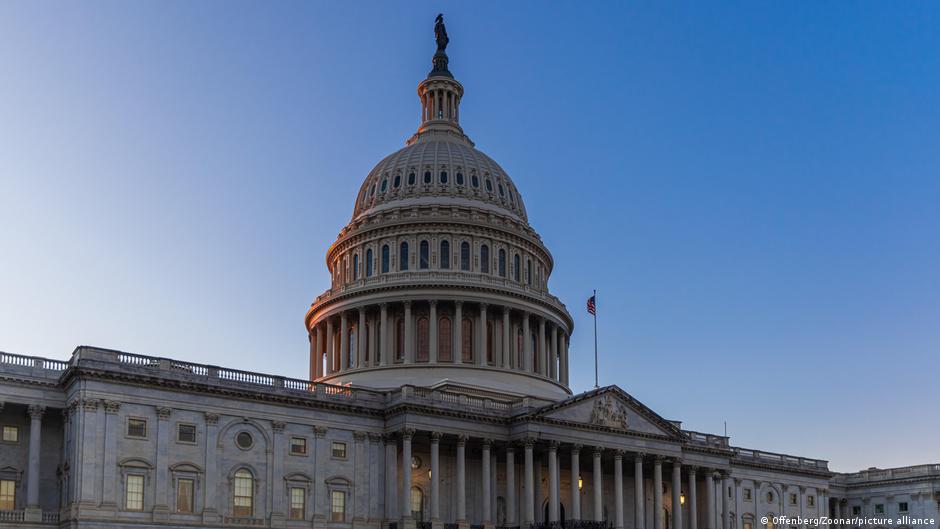
On May 19, the US Senate took a significant step toward curbing unilateral military actions by advancing a resolution that would compel President Donald Trump to seek explicit Congressional authorization before continuing or initiating hostilities against Iran. This move follows a series of previous blocked attempts and signals a shift in legislative oversight over military engagements.
Context and Legislative Background
The resolution aims to enforce provisions under the War Powers Act of 1973, which limits the president’s ability to conduct armed conflict without the Congress’s approval beyond a 60-day period. According to the Act, after 60 days of military action without Congressional consent, the president must either halt operations or obtain formal authorization.
Despite President Trump’s notification to Congress on May 1, 2026, declaring an end to the war with Iran after the 60-day limit, US military activities—such as the blockade of Iranian ports and strikes on Iranian vessels—have persisted. This discrepancy raises questions about the scope of executive military authority and the enforcement of legal frameworks designed to regulate it.
"This is the perfect time for discussion before we start another war," said Senator Tim Kaine, a leading Democrat who initiated the procedural vote. "The president is receiving peaceful and diplomatic proposals, which he discards without sharing with us."
The resolution’s advancement followed a procedural vote in the Senate, where 50 senators supported moving it forward while 47 opposed. Three Republican senators were absent due to election campaign commitments, casting doubt on the resolution's ability to secure final approval in a full Senate vote. Previously, Republicans had blocked seven attempts to bring the resolution to a vote earlier this year, underscoring partisan divides over military oversight.
Implications for Corporate and Geopolitical Risk Management
From a corporate strategy perspective, the resolution’s progress highlights the growing Congressional scrutiny over military interventions, which can impact global stability and, by extension, international business operations. Companies with supply chains or investments in the Middle East may face heightened geopolitical risks due to potential escalations or shifts in US foreign policy.
Additionally, the Senate’s move could signal a recalibration of executive-legislative relations regarding national security decisions. Businesses involved in defense, energy, shipping, and commodities trading must monitor these developments closely, as changes in military engagement policies affect market volatility, regulatory environments, and global trade flows.
Overall, the constitutional debate over the extent of presidential war powers reflects broader concerns about governance, accountability, and strategic decision-making in US foreign policy. For stakeholders in both the public and private sectors, understanding these dynamics is essential for navigating the complex intersection of politics and economics.