Moscow Grants Agrément for New German Ambassador Amid Complex Diplomatic Landscape
Clemens von Goetze to replace Alexander Graf Lambsdorff as Germany's ambassador to Russia, signaling strategic diplomatic shifts.
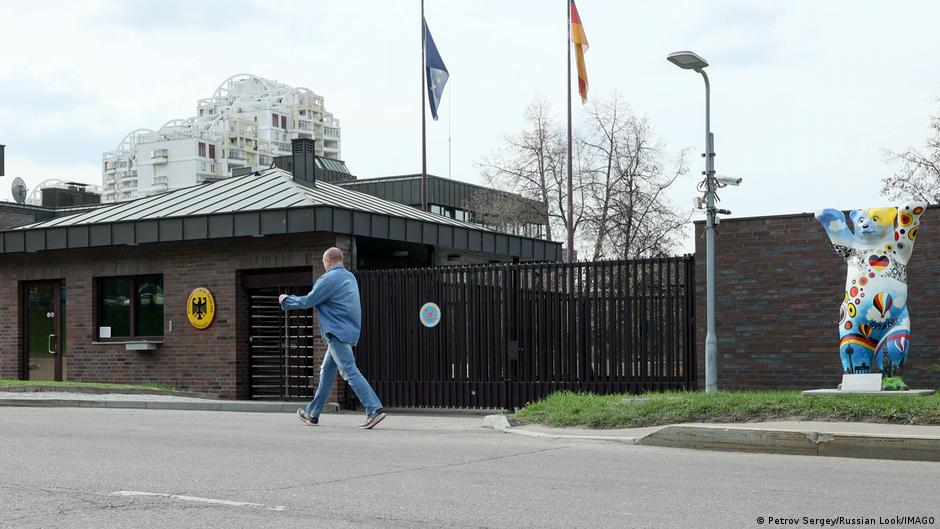
Moscow has issued the agrément for Clemens von Goetze, designated to succeed Alexander Graf Lambsdorff as the German ambassador to Russia, according to Russian media reports. Von Goetze, currently heading the German Embassy in Mexico City, is expected to assume his new role in Moscow around July.
Strategic Ambassadorial Shift Amid Heightened Tensions
The issuance of the agrément—a formal consent for a diplomatic appointment—comes at a time of notably strained Russia-Germany relations. Since the commencement of Russia's full-scale military invasion of Ukraine, Germany has positioned itself as a key ally supporting Ukraine, exacerbating diplomatic frictions with Moscow.
Von Goetze brings to this critical role extensive experience in foreign and security policy, having served as ambassador in major global capitals including Tel Aviv, Beijing, and Tokyo. His appointment signals Germany’s intent to maintain a seasoned diplomatic presence in Russia during a period marked by geopolitical volatility.
“Our task as parliamentarians is to establish contacts with exiled leaders advocating for freedom and self-determination,” emphasized German foreign policy expert Roderich Kiesewetter following diplomatic tensions involving meetings with controversial figures.
Alexander Graf Lambsdorff, the outgoing ambassador, is slated to be reassigned as Germany’s ambassador to Israel. His tenure in Moscow was marked by diplomatic incidents reflecting the challenging bilateral atmosphere, including summons by the Russian Ministry of Foreign Affairs in 2025 over allegations related to the treatment of Russian journalists in Germany, which Berlin dismissed as baseless.
Further complicating the diplomatic environment, Lambsdorff was again summoned in April 2025 after a Bundestag member met with Ahmed Zakayev, a leader of the Chechen Republic of Ichkeria—a group designated as terrorist by Russia but supportive of Ukraine against Russian aggression. This meeting underscored the intricate intersection of German domestic politics, foreign policy, and Russia’s sensitivities.
Implications for Corporate and Political Strategy
The change in diplomatic leadership reflects broader strategic recalibrations in German-Russian relations, with potential ramifications for corporate entities operating across these jurisdictions. Businesses must navigate an increasingly complex environment where political decisions and diplomatic signals can directly affect market access, regulatory frameworks, and bilateral trade policies.
As Germany reinforces its alliance with Ukraine and adopts a firm stance against Russian military activities, companies linked to either nation face heightened risks and shifting expectations. The experienced von Goetze’s appointment could facilitate more nuanced communication channels, potentially stabilizing certain aspects of bilateral cooperation despite overarching tensions.
In sum, the ambassadorial transition embodies not only diplomatic protocol but also strategic management of Germany’s foreign relations amidst ongoing geopolitical challenges, with direct and indirect consequences for investment climates and international business operations.