US House of Representatives Approves Ukraine Aid and Expanded Sanctions on Russia
The legislation includes military support and broader sanctions but requires Senate approval to become law.
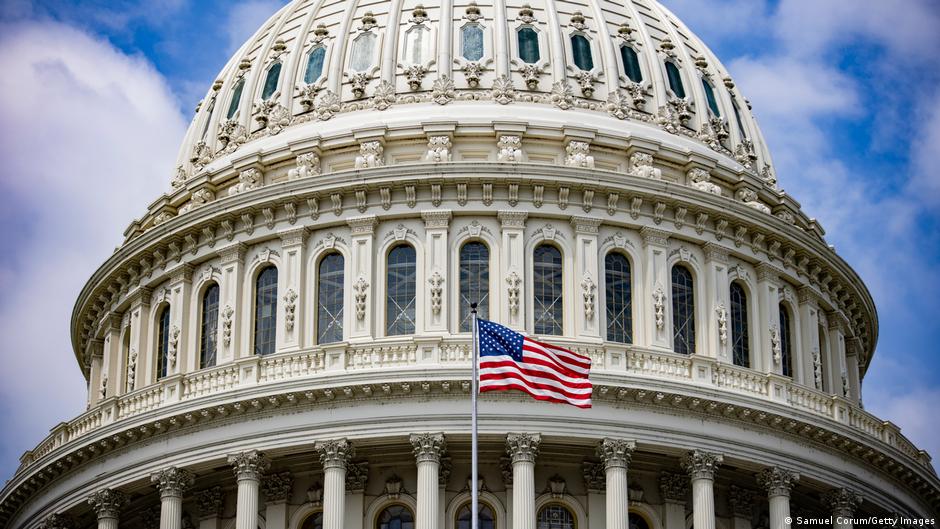
On June 5, the US House of Representatives passed a significant bill aimed at bolstering support for Ukraine while intensifying economic and diplomatic pressure on Russia. The legislation, approved by a vote of 226 to 195, authorizes military aid and expands the scope of sanctions against Moscow, representing a critical step in Washington's ongoing strategy amid the conflict in Eastern Europe.
Among those who voted in favor were 207 Democrats, 18 Republicans, and one independent congressman, highlighting a measure of bipartisan consensus. However, for the bill to become law, it must clear the Senate, where its fate remains uncertain due to partisan divides and differing views on foreign aid levels.
Strategic Framework of the Legislation
Introduced in April, the bill establishes a dedicated fund for Ukraine’s reconstruction efforts and renews presidential authority to provide defense equipment to Ukraine and Eastern European allies on a lease or credit basis. This mechanism aims to streamline military support logistics and ensure sustained assistance.
Notably, the legislation empowers the Pentagon to extend intelligence support to Ukraine through the end of 2027, reflecting a long-term commitment to the Ukrainian military’s operational capabilities. Concurrently, the US State Department is tasked with enhancing the capabilities of armed forces and border security in the Baltic states, further reinforcing NATO's eastern flank.
"The bill represents a comprehensive package that not only supplies Ukraine with the necessary resources but also strengthens regional security and reasserts US leadership," noted analysts tracking defense policy developments.
"The House vote is an important step forward, underscoring continued bipartisan support for Ukraine in the United States," stated Ukraine’s ambassador to Washington, Olga Stefanishina.
Expanded Sanctions and Economic Pressure
In addition to military aid, the bill expands the White House's arsenal of sanctions tools against Russia. It authorizes the president to impose new sanctions, freeze assets of Russian entities and individuals, and implement further export controls and tariffs aimed at curtailing Russia’s economic capacities to sustain its military operations.
This broadened sanctions regime aligns with a strategic approach to pressure Moscow economically while coordinating closely with European partners. The legislation enhances collaboration on arms deliveries, military training for Ukrainian forces, and intelligence sharing, reflecting an integrated transatlantic response to the conflict.
Political and Legislative Challenges Ahead
Despite the House's approval, passage of the bill in the Senate remains a pivotal hurdle. The chamber’s composition, divided between Democrats and Republicans with varying perspectives on foreign aid expenditures, will largely determine the bill’s prospects.
Moreover, even if the Senate passes the legislation, the possibility of a presidential veto looms. Former President Donald Trump, expected to seek the presidency again in 2025, has previously slowed aid delivery to Ukraine and emphasized maintaining executive control over sanctions decisions rather than delegating authority to Congress.
These political dynamics add complexity to the legislative process and underscore the interplay between US domestic politics and foreign policy in shaping support for Ukraine.
Overall, the House’s vote signals a strategic commitment to sustaining Ukraine’s defense capabilities and increasing pressure on Russia, though significant uncertainties remain regarding the final enactment and implementation of the proposed measures.