US Charges Raul Castro with 1996 Killings Amid Heightened Geopolitical Tensions
The US Justice Department accuses former Cuban leader Raul Castro of conspiracy to kill American citizens, reflecting escalating pressure on Cuba’s regime.
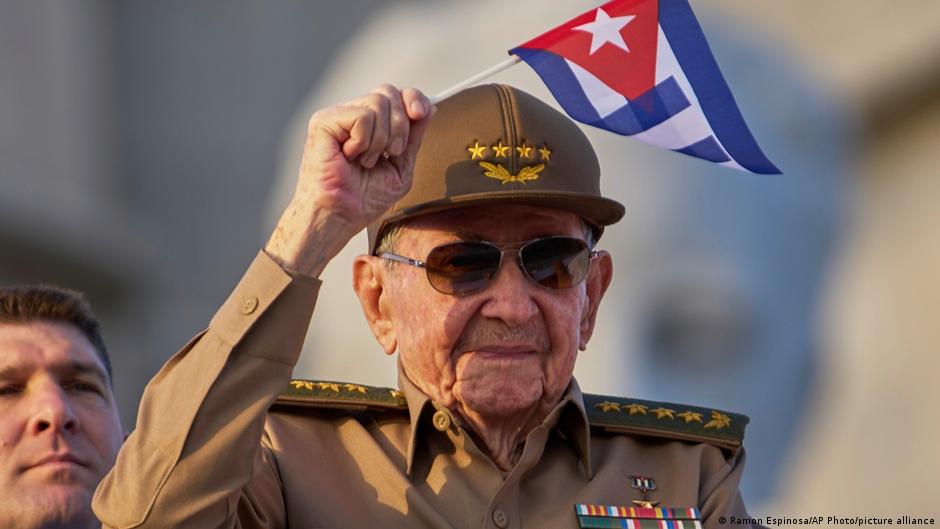
The United States Department of Justice has formally charged Raul Castro, former First Secretary of the Cuban Communist Party, with conspiracy to murder four American pilots in a 1996 incident. The announcement, made by acting US Attorney General Todd Blanche on May 20 in Miami, underscores the increasing geopolitical tension between Washington and Havana amid a complex backdrop of regional power struggles.
Background and Legal Implications
The charge relates to the fatal shooting of two aircraft operated by Brothers to the Rescue, a Miami-based organization of Cuban exiles that assisted refugees fleeing Cuba by sea. In 1996, Cuban fighter jets shot down the planes, killing all four American citizens on board. At the time, Raul Castro was Cuba’s Minister of Defense. The Cuban government defended the military action as a legitimate response to what it described as an airspace violation.
"My message is clear," stated Todd Blanche. "The United States and President Trump will not forget their citizens."
While the cabins were officially shot down over international waters, the International Civil Aviation Organization later determined the incident to be unlawful. The charges against the now 94-year-old Castro are largely symbolic, yet the US government has vowed to bring him to justice, indicating possible forcible extradition if he does not appear voluntarily.
Raul Castro’s political career is intertwined with Cuba’s modern history, including overseeing the normalization of US-Cuba relations under President Barack Obama in 2015, a rapprochement later reversed under President Trump. Castro stepped down from leadership roles in 2018 but remained a symbolic figure in Cuban politics.
Strategic Context and Regional Dynamics
The indictment emerges amid escalating US efforts to isolate Cuba economically and politically. Following the US-backed removal of Venezuelan President Nicolás Maduro, a key Cuban ally, and the imposition of an energy blockade on Cuba, relations have deteriorated sharply. The Trump administration has openly expressed ambitions to exert greater influence over Cuba.
Senator Marco Rubio, a son of Cuban exiles and a vocal critic of the Cuban government, addressed the Cuban people via a Spanish-language video shortly before the indictment, urging rejection of the socialist leadership and promising a new path for US-Cuban relations.
Despite the indictment, Raul Castro’s current location appears to remain in Cuba, with no indications of extradition or voluntary travel to the United States, highlighting the challenges of enforcing US legal actions against foreign state actors.
From a corporate and strategic perspective, this development may signal a continuation of hardline US policies toward Cuba, influencing regional political stability and potentially affecting investment and economic conditions in the Caribbean. For international businesses and policymakers, the charge against a former head of state underscores the persistent geopolitical risks inherent in engaging with Cuba.