Russia to Attend G20 Energy Talks as Security Risks Test U.S. Strategy
Russia will attend G20 energy talks in Houston, testing U.S. strategy as energy security, sanctions and shipping risks dominate the agenda.

Russia will attend G20 energy talks in Houston, testing U.S. strategy as energy security, sanctions and shipping risks dominate the agenda.

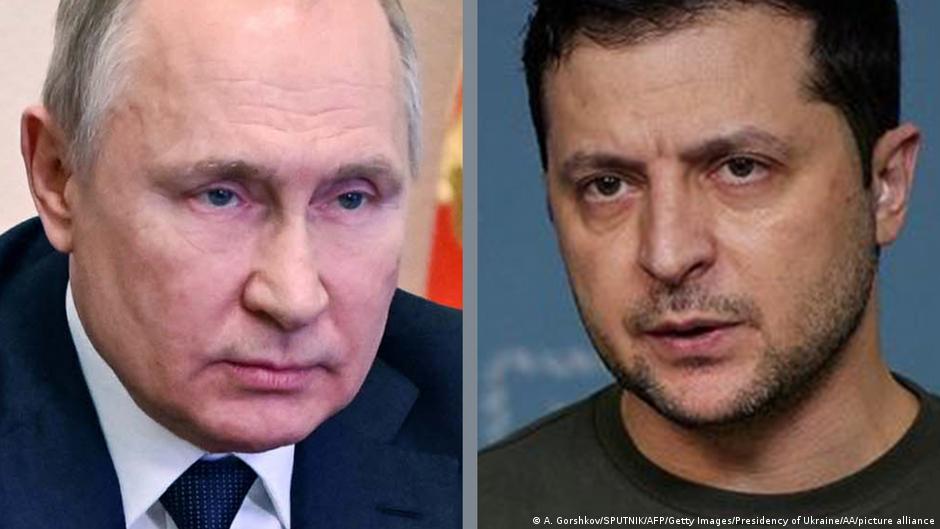
Moscow and Kyiv have both floated diplomatic openings, while U.S. envoys re-enter the process and shape the next phase of potential peace talks.

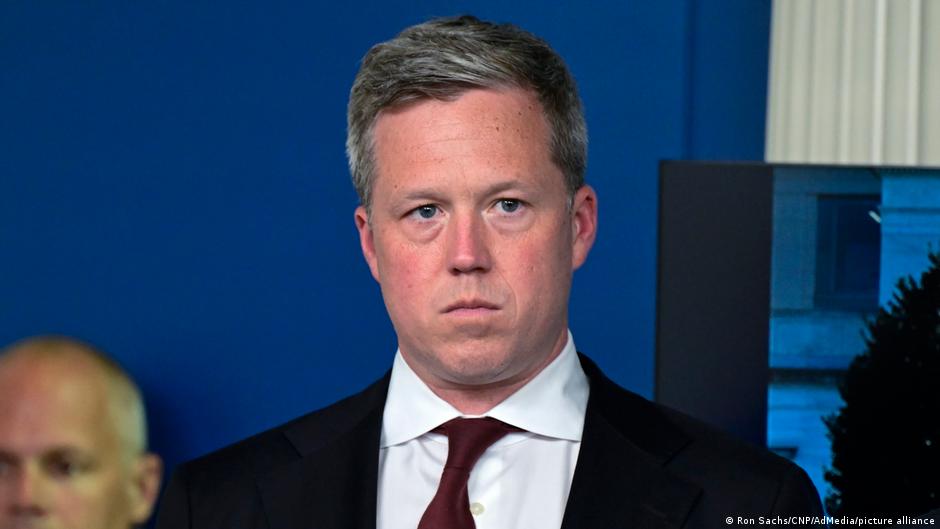
Daniel Driscoll’s resignation after clashes with Pete Hegseth adds to Pentagon turnover and raises questions over Army strategy and procurement.

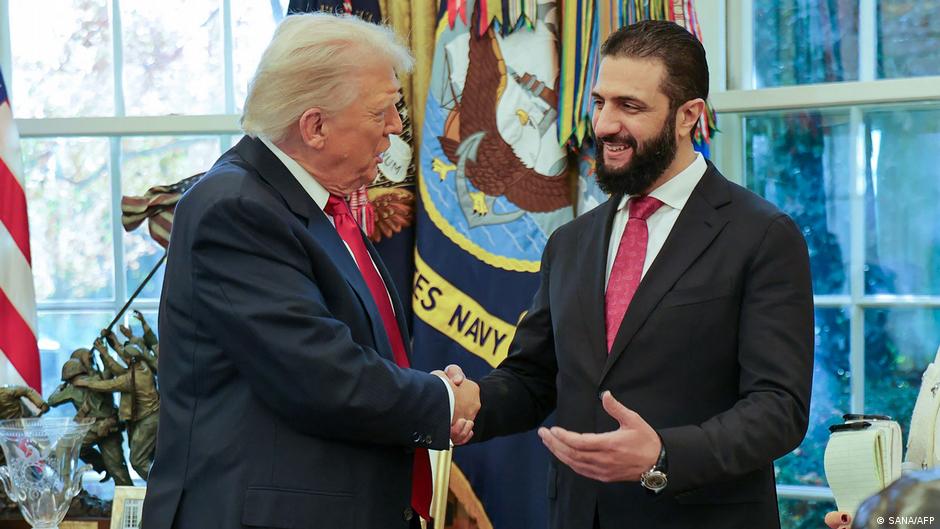
The US has removed Syria from its terrorism sponsors list and lifted sanctions on HTS, signaling a major policy shift amid evolving regional geopolitics and economic reintegration.

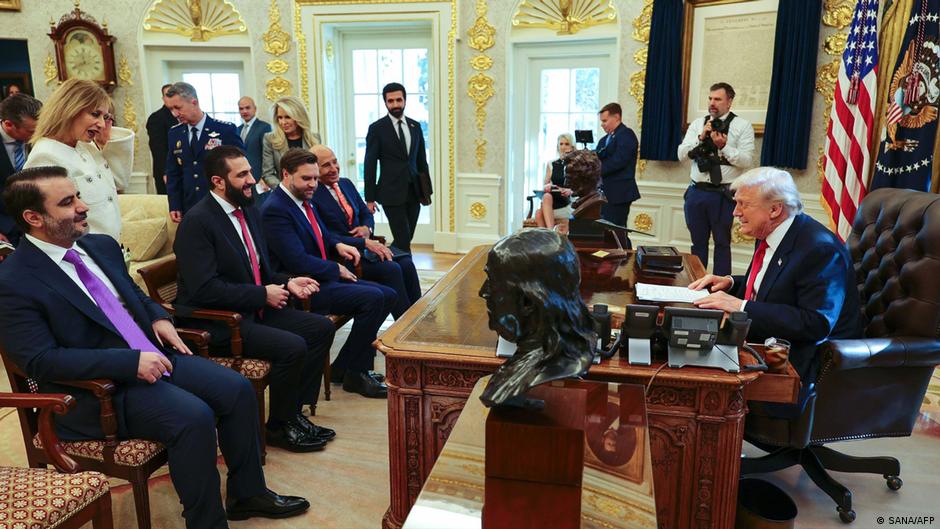
The US Supreme Court has allowed President Trump to continue his White House renovations, including a new ballroom and military bunker, despite opposition from lower courts.

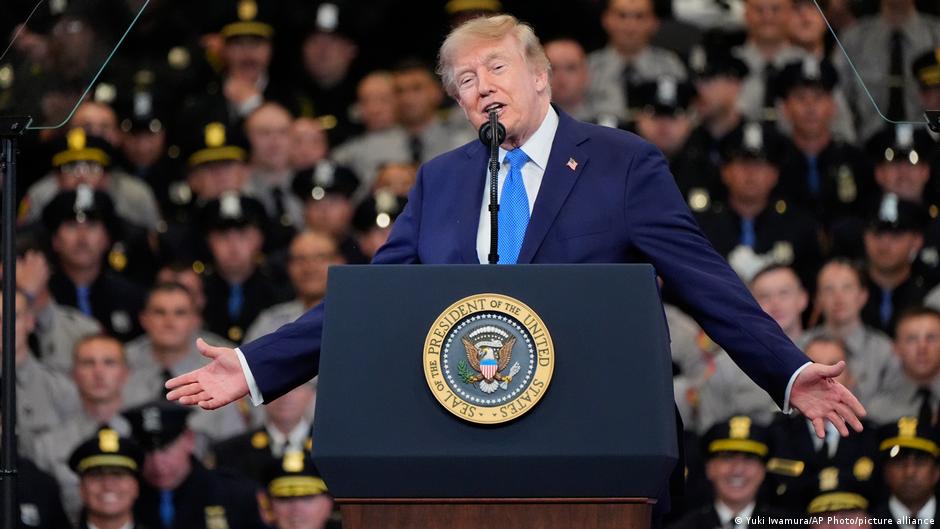
President Trump signals intent to declare the Strait of Hormuz US territory, implying indefinite military presence amid contested control with Iran impacting global oil supply.

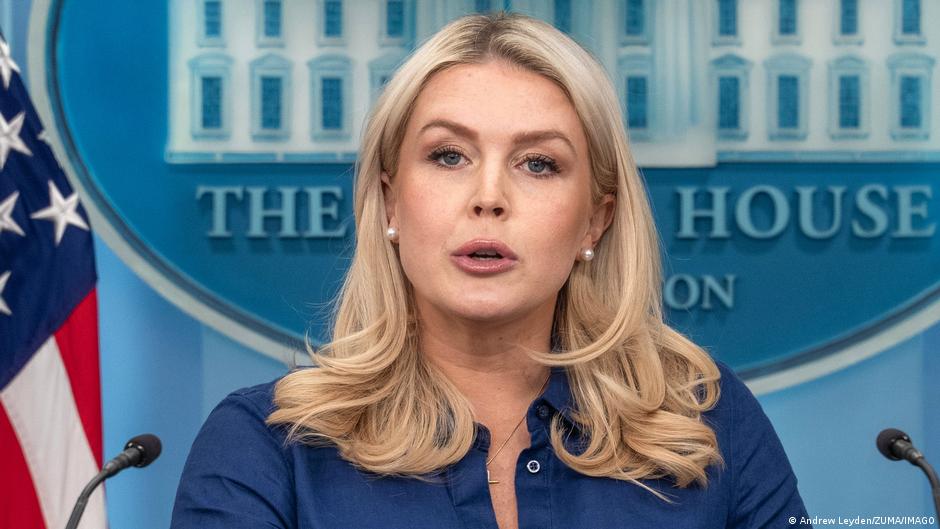
White House Press Secretary Caroline Leavitt resigns to prioritize family, triggering potential shifts in the Trump administration's communication and political strategy.

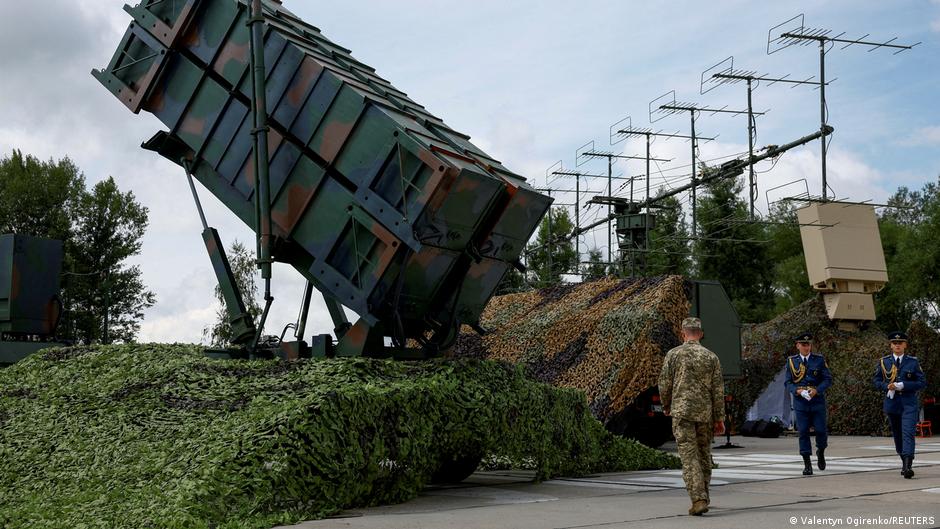
Raytheon and Lockheed Martin fear Ukraine could upgrade and mass-produce Patriot missiles under licensing, raising concerns about IP theft and competitive impacts on US defense manufacturing.

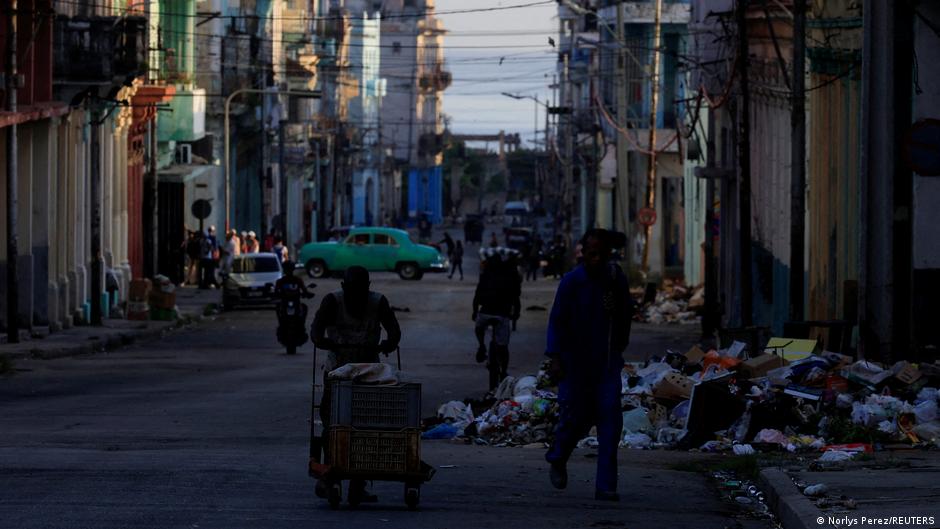
The US initiates a $100 million humanitarian aid package to Cuba amidst increased sanctions targeting key Cuban military-linked companies, reflecting a dual diplomatic and strategic approach.

The US has imposed 50% tariffs on Canadian goods, including alcohol and automobiles, escalating trade tensions and prompting calls for negotiations to resolve disputes under USMCA.

The Trump administration's proposed nuclear deal with Saudi Arabia may allow uranium enrichment without strict IAEA oversight, impacting regional security and business strategies.

US President Trump pledges to remove Syria from the terrorism sponsorship list, opening new investment opportunities and signaling a strategic US policy shift in the Middle East.

The US imposed sanctions on five Cuban state firms controlling 40% of GDP, focusing on GAESA-linked companies amid heightened bilateral tensions and legal rulings favoring US businesses.

Abelardo de la Espriella’s electoral victory in Colombia signals a shift toward deregulation and militarized security policies, backed by U.S. right-wing support and promising closer bilateral cooperation.

US intelligence warns Israel may attempt to derail the US-Iran agreement, citing national security and political factors amid ongoing Middle East tensions.

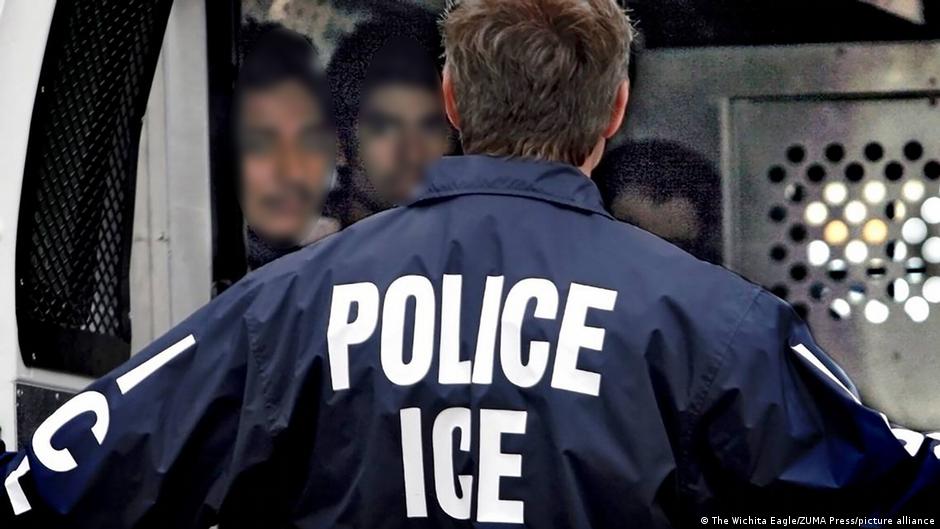
US Congress approves $70 billion funding for ICE and CBP to reinforce immigration enforcement amid leadership changes and policy controversies.

A U.S. federal court invalidated the Trump administration’s $100,000 H-1B visa fee, ruling it an unauthorized tax and impacting tech firms' talent acquisition strategies.

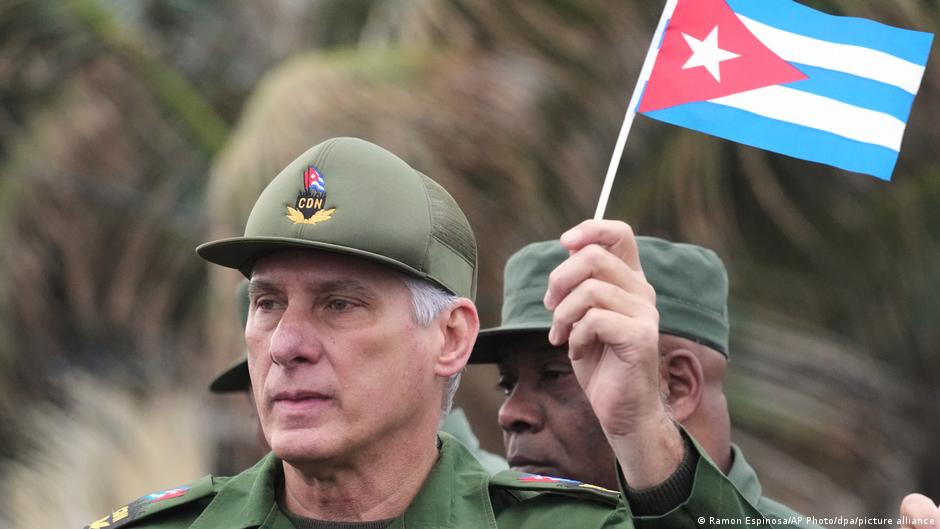
The US has expanded sanctions on Cuban President DÃaz-Canel and Castro family members amid worsening bilateral tensions and Cuba’s deepening economic crisis.

The U.S. House has passed a resolution restricting President Trump's ability to continue military action against Iran without Congress's approval, highlighting bipartisan concerns over executive war powers.

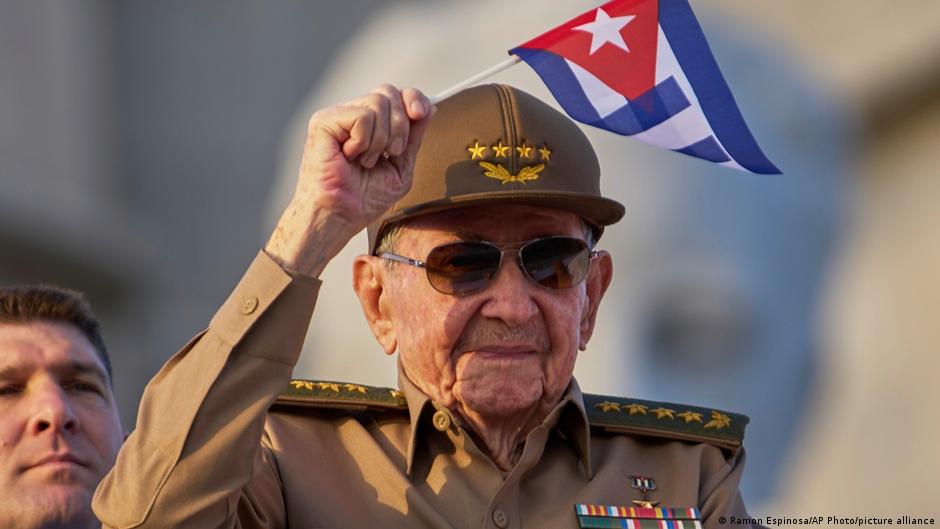
The US charged former Cuban leader Raul Castro with conspiracy to kill four Americans in a 1996 incident, intensifying tensions amid shifting regional alliances and US sanctions.

US intelligence reveals Iran has restored about 70% of its pre-conflict missile arsenal, contradicting official claims of a destroyed Iranian military threat.

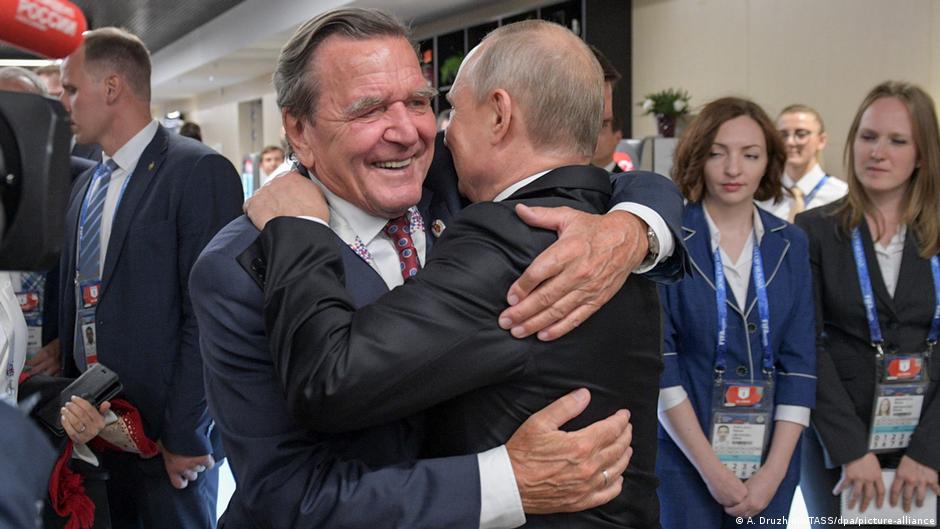
Putin names Gerhard Schröder as preferred EU negotiator for Ukraine peace talks, emphasizing the need for respectful dialogue and signaling Russia's strategic diplomatic approach.

President Trump delays EU auto tariff hike to July 4, extending a key deadline amid ongoing disputes over compliance with a major US-EU trade agreement.

Germany is accelerating development of domestic long-range weapons after the US declined to deploy Tomahawk missiles, aiming to counter Russia’s Iskander threat and bolster European deterrence.

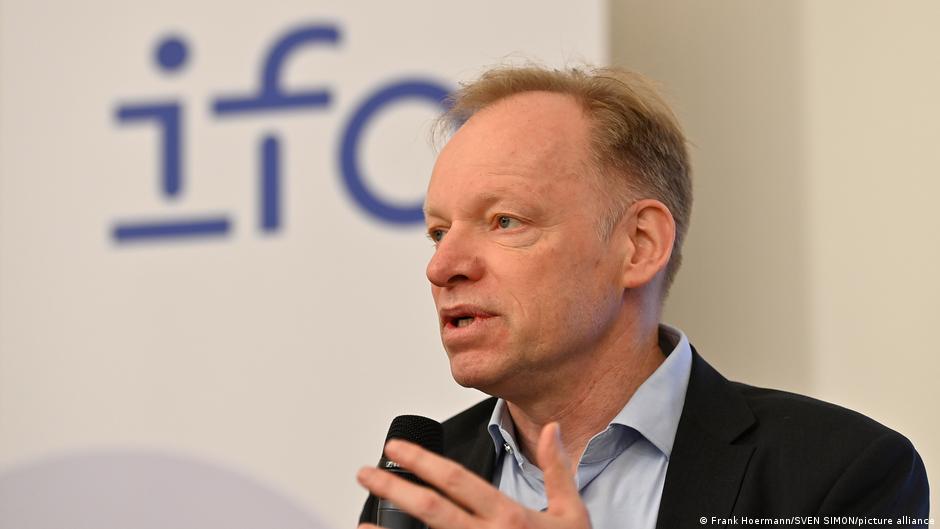
The ifo Institute warns that US tariff hikes on EU cars risk triggering a German recession in 2026 if the EU retaliates, threatening the country's vital automotive exports amid escalating trade tensions.

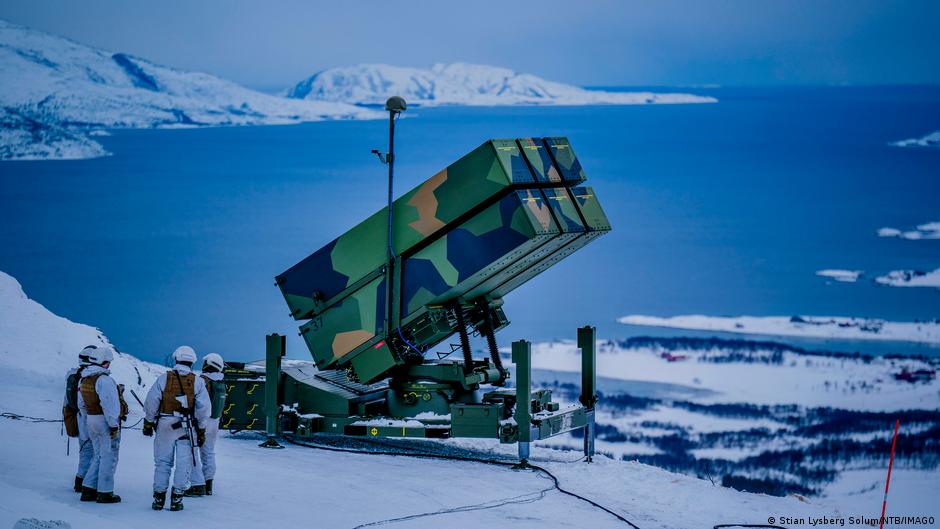
The US notifies European allies of significant arms shipment delays as it urgently replenishes stockpiles depleted by conflict with Iran, while approving large arms exports to Middle Eastern partners.

US chargé d’affaires Julie Davis will leave Kyiv amid tensions with the Trump administration and shifting US support policy for Ukraine, raising concerns over diplomatic continuity.