US President Trump Delays EU Auto Tariff Hike Amid Trade Agreement Dispute
Trump postpones planned 25% tariff increase on European cars to July 4, extending a critical deadline in US-EU trade negotiations.
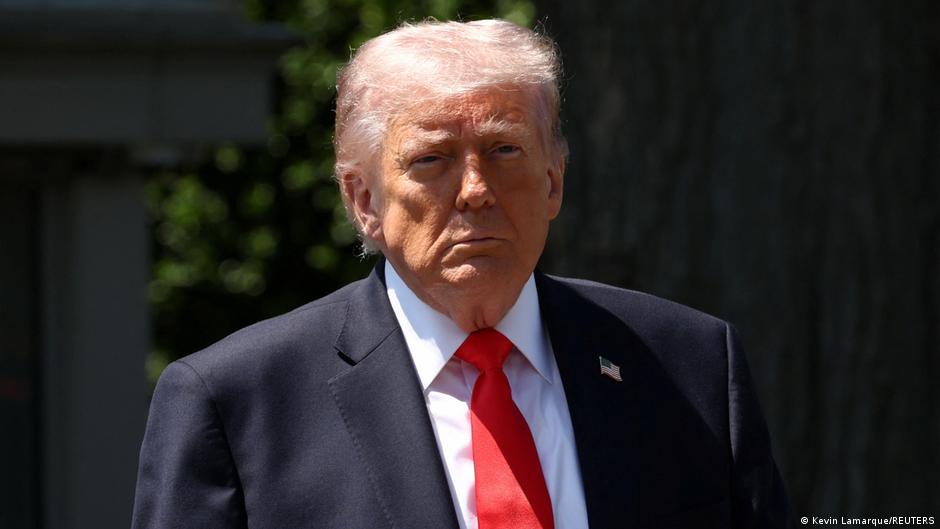
US President Donald Trump has postponed the scheduled increase in tariffs on automobiles imported from the European Union (EU) until July 4. This decision follows what Trump described as a "remarkable phone call" with European Commission President Ursula von der Leyen, signaling a temporary easing of tensions in a trade dispute that has significant implications for the automotive and broader industrial sectors.
Strategic Delay in Tariff Escalation Amid Ongoing Negotiations
On May 7, President Trump announced via his social media platform that he had granted the EU additional time to comply with a historic trade agreement, originally signed in Turnberry, Scotland. The agreement, touted as one of the largest trade deals ever, includes commitments by the EU to reduce tariffs on automobiles to zero. Trump stressed his patience, noting, "I agreed to give them time until our country's 250th anniversary; otherwise, unfortunately, their tariffs will immediately jump to a much higher level." The July 4 deadline aligns symbolically with the US Independence Day, underscoring the gravity of the deadline.
Von der Leyen echoed Trump’s positive tone, describing their conversation as "very good" and reaffirmed that both the US and EU remain fully committed to implementing the trade deal. She also highlighted "good progress toward tariff reductions by early July," indicating ongoing negotiations aimed at resolving outstanding issues.
"The deal is the deal," von der Leyen emphasized, underscoring the EU's readiness to abide by the agreement and signaling a willingness to avoid escalation.
The tariff dispute flared earlier in May when Trump threatened to raise tariffs on EU passenger and commercial vehicles to 25%. On May 1, he announced an imminent tariff hike, citing the EU’s alleged failure to uphold its commitments under the agreed framework. This move was widely seen as a strategic maneuver in ongoing trade negotiations, with significant potential impact on automotive manufacturers and supply chains on both sides of the Atlantic.
Von der Leyen’s response on May 5 was a firm call for adherence to the agreement. She stressed that the EU is prepared for "all scenarios," signaling cautious optimism but also readiness for potential escalation.
Trade Agreement Details and Implications for Industry
The trade agreement in question, signed in September 2025, aims to retroactively lower tariffs on European car exports from 27.5% to 15%. In exchange, the EU is expected to eliminate tariffs on all American industrial goods and open its markets to a wide range of US products, including seafood, dairy, pork, and soybean oil.
There remains ambiguity about the specific provisions that President Trump contends the EU has violated. This lack of clarity complicates the negotiation dynamics and leaves room for interpretation within both political and corporate circles.
From a business strategy perspective, the postponement provides a crucial window for multinational automotive corporations and suppliers to prepare for potential tariff surges or negotiate supply chain adjustments. The automotive sector, already navigating complex global production networks and shifting demand patterns, faces increased uncertainty until the July 4 deadline.
Moreover, the broader industrial and agricultural sectors remain attentive to developments, as tariff changes could influence market access, pricing strategies, and investment decisions. Stakeholders across industries are likely to monitor the forthcoming negotiations closely, evaluating risks and opportunities in a volatile trade environment.
In summary, the Trump administration’s decision to delay tariff hikes underscores the strategic importance of maintaining dialogue and seeking compliance within the US-EU trade framework. As July 4 approaches, corporations and policymakers alike must brace for potential shifts in the competitive landscape that could reshape transatlantic trade relations.