U.S. House Passes Resolution Limiting Presidential War Powers Against Iran
House approves resolution requiring Congressional consent for continued military action against Iran, signaling bipartisan concerns over executive war authority.
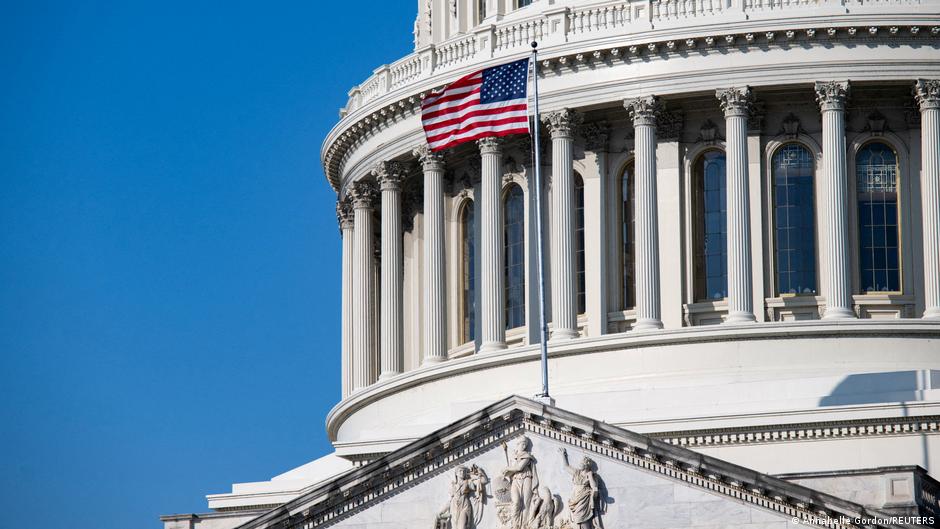
The U.S. House of Representatives has, for the first time, approved a resolution barring President Donald Trump from continuing military operations against Iran without explicit congressional approval. This development marks a significant moment of congressional assertion over war powers traditionally wielded by the executive branch.
On June 3, the House passed the resolution with a vote of 215 in favor and 208 against. While Democrats formed the majority of supporters, several Republicans joined them, reflecting an erosion of unified party backing for the Trump administration's approach toward Iran. This bipartisan support was pivotal in securing passage of the measure.
Legislative Context and Political Dynamics
Previously, the Senate had also shown a measure of resistance, voting 50-47 on May 19 in favor of a similar resolution requiring the president to halt hostilities with Iran absent Congressional consent. However, the Senate vote fell short of unanimous endorsement, with three Republicans abstaining due to campaign commitments, making full Senate approval uncertain.
Earlier in the year, Republican lawmakers had blocked seven attempts to advance such resolutions in the Senate, while the House had seen the measure blocked thrice. The initial push for these resolutions emerged after U.S. and Israeli military operations against Iran began in March, highlighting growing legislative unease with executive-led military engagements.
"The House's decision to challenge the executive's unilateral war-making signals a critical shift in Congressional oversight and party alignment on foreign military engagements," analysts note.
Despite Congressional steps, the likelihood of the resolution becoming law remains slim. President Trump has indicated he will almost certainly veto the measure if passed by both chambers, maintaining his administration’s authority over military decisions.
Legal Framework and Ongoing Conflict Developments
The resolution is grounded in the War Powers Resolution of 1973, which restricts the president's ability to conduct military operations without Congressional approval to a 60-day limit. After this period, the president must either cease military actions or formally seek authorization from Congress.
On May 1, 2026, marking the expiration of the 60-day window, President Trump notified Congress that the military engagement with Iran had concluded. However, hostilities have persisted beyond this date. Notably, on May 3, Iran’s Islamic Revolutionary Guard Corps launched missile and drone attacks targeting U.S. bases in Kuwait and Bahrain. The U.S. military responded with strikes against an Iranian facility on Qeshm Island in the Strait of Hormuz.
The Trump administration asserts ongoing diplomatic efforts with Iranian leadership aimed at ending the conflict, underscoring the complex interplay between military action and negotiation strategies.
Implications for Corporate Strategy and Geopolitical Risk
From a business perspective, the intensifying political debate over U.S. military engagement with Iran introduces an element of uncertainty to global markets and corporate risk assessments, particularly in sectors sensitive to Middle East stability such as energy, defense, and logistics.
Companies with exposure to geopolitical hotspots must closely monitor legislative developments and executive decisions, as shifts in U.S. foreign policy can have material impacts on supply chains, regulatory landscapes, and investment climates.
The bipartisan congressional push reflects growing concern regarding executive overreach and the check-and-balance mechanisms that influence U.S. foreign policy. This dynamic may also signal a more cautious approach by the government in authorizing prolonged military engagements, potentially affecting defense contractors and multinational corporations engaged in the region.