US Intelligence Reveals Iran Retains Majority of Its Missile Capabilities Despite Strikes
Contrary to official US statements, intelligence indicates Iran has restored about 70% of its pre-conflict missile arsenal and maintains key strategic assets.
Strategic Resilience and Military Capability Reassessment
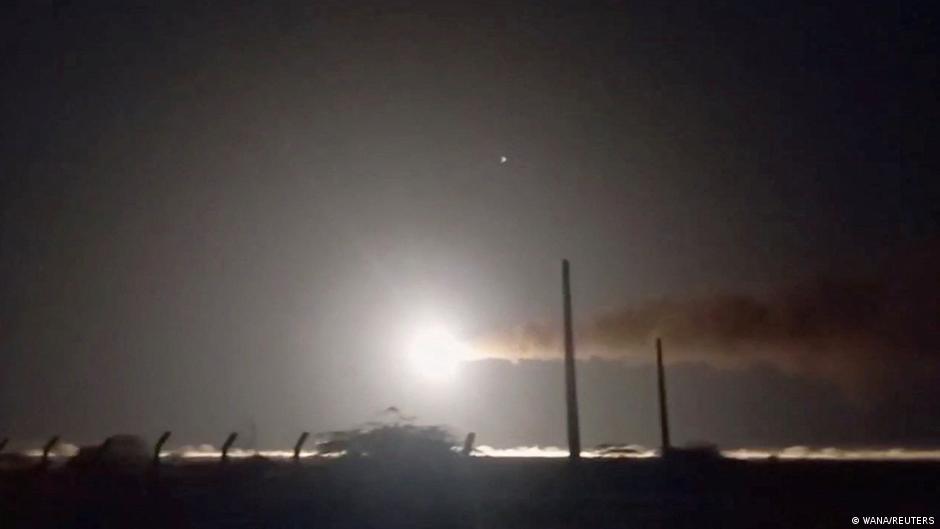
Recent assessments from US intelligence sources challenge the prevailing narrative presented by the Trump administration regarding the degradation of Iran's missile capabilities. Despite public declarations that Iran's military threat had been neutralized following US strikes, classified data reveal Tehran has managed to retain and restore a significant portion of its missile arsenal and launch systems.
According to intelligence reports, Iran currently controls approximately 70% of its mobile missile launchers and around 70% of its pre-conflict missile stockpile. This inventory includes both ballistic missiles capable of striking regional targets and a smaller complement of cruise missiles designed for shorter-range terrestrial and maritime engagements. The resilience demonstrated by Iran suggests a robust recovery strategy, leveraging underground storage facilities and rapid redeployment tactics.
"New intelligence indicates that the Trump administration and military advisors overestimated the damage inflicted on Iranian missile sites and underestimated Tehran's capacity for rapid recuperation."
Of particular concern to US strategic planners is Iran's restoration of readiness at 30 out of 33 missile complexes situated along the Strait of Hormuz. These installations not only pose a direct threat to American naval assets operating in the region but also to commercial oil tankers transiting this critical chokepoint. Satellite imagery and multiple intelligence sources confirm that Iran has regained access to nearly 90% of its underground missile storage and launch facilities nationwide, with many sites assessed as partially or fully operational.
This intelligence contrasts sharply with public pronouncements by former President Donald Trump and then-Secretary of Defense Mark Esper, who asserted that Iran's military capabilities had been "destroyed" or no longer constituted a threat. The discrepancy highlights a potential gap between political messaging and on-the-ground realities faced by military planners.
Implications for US Military Strategy and Munitions Supply
The evolving assessment has significant implications for US military strategy and resource allocation. The US military has reportedly depleted critical munitions stocks, including Tomahawk cruise missiles, Patriot missile launcher rounds, and precision strike weapons such as ATACMS. Further orders for strikes aimed at degrading Iran's military infrastructure could exacerbate shortages, straining the defense industrial base already operating at capacity to replenish essential ordnance.
European allies also express apprehension regarding ammunition availability. Having invested billions in procurement of US-supplied munitions to support Ukraine, these partners worry that US military demands may divert supplies necessary for their defense needs, potentially disrupting transatlantic security cooperation.
Despite these concerns, official White House and Pentagon representatives maintain a firm stance on Iran's weakened military status. Press Secretary Olivia Welsh reiterated claims that Iran's current military situation is unsustainable and dismissed reports of restored capabilities as misinformation or propaganda from the Islamic Revolutionary Guard Corps. Pentagon spokesperson Sean Parnell emphasized that US forces possess the necessary resources to protect national interests and personnel.
This divergence between intelligence assessments and official statements underscores the complexity of evaluating Iran's military posture and the challenges facing US policymakers in balancing public communication with strategic realities. It also raises critical questions about the sustainability of current military strategies and the need for recalibrated approaches to regional security and arms management.