US Delays Arms Shipments to Europe Amid Urgent Replenishment from Iran Conflict
Washington informs European allies about significant delays in arms deliveries as it prioritizes urgent restocking of military supplies depleted by conflict with Iran.
The United States has alerted its European allies, including the United Kingdom, Poland, Lithuania, and Estonia, of substantial delays in arms shipments due to urgent efforts to replenish arsenals depleted by the ongoing conflict with Iran. This development was reported by multiple sources familiar with the situation.
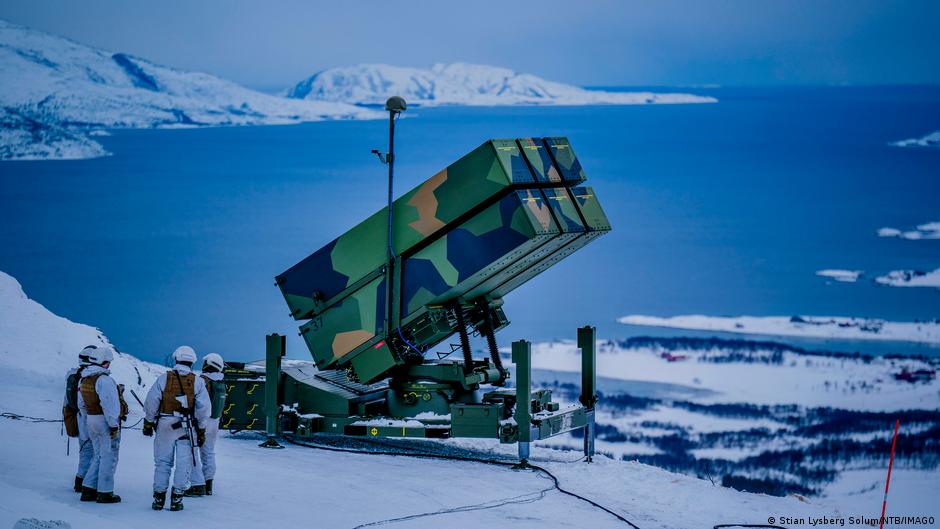
According to these sources, the delays will particularly affect ammunition supplies for rocket artillery systems such as NASAMS and HIMARS, among other missile platforms. Similar measures are reportedly under consideration for Asian allies, including Japan and South Korea. The Pentagon has acknowledged it is "carefully evaluating" new requests and existing arms transfers to ensure alignment with operational priorities.
Strategic Implications for Allied Defense and Arms Markets
These supply chain disruptions represent a significant challenge for US allied nations relying on American military hardware for their defense capabilities. Countries operating the NASAMS air defense system include Taiwan, Norway, Finland, Spain, the Netherlands, Lithuania, Indonesia, Australia, Hungary, Ukraine, Denmark, Qatar, and Oman. The HIMARS system is in use by 14 US partners, notably including Ukraine, Poland, and Estonia.
“The delays in US arms deliveries come at a critical time for Ukraine, which has faced hold-ups since the outset of the US and Israeli conflict with Iran,” a senior Ukrainian official noted.
For Kyiv, already engaged in its fifth year of resisting Russian military aggression, these delays complicate efforts to maintain robust defense capabilities. The freeze on shipments risks weakening operational readiness and could impact the broader strategic balance in the region.
While Europe faces these supply constraints, the US State Department has concurrently approved arms exports and military services to four Middle Eastern allies—Israel, Qatar, Kuwait, and the United Arab Emirates—for a combined value exceeding $8.6 billion. Qatar is the largest recipient with $4 billion approved, followed by Kuwait at $2.5 billion, Israel with roughly $1 billion, and the UAE receiving approximately $150 million.
The Trump administration invoked an emergency procedure allowing it to bypass mandatory Congressional approval for these sales, citing an "urgent necessity" driven by the ongoing military conflict with Iran. Despite this, the White House officially notified Congress that the conflict has concluded, a move that adds complexity to the arms export policy narrative.
From a corporate strategy perspective, these developments highlight the competing demands on US defense manufacturers and the critical role of geopolitical conflicts in shaping arms market dynamics. Firms producing missile systems and munitions may face logistical bottlenecks and shifting order priorities, potentially impacting revenue streams and supply chain management.
Furthermore, the differential prioritization of Middle Eastern allies over European partners could influence long-term strategic partnerships and alliance cohesion. European nations may seek to diversify their defense procurement sources to mitigate reliance on US arms supplies amid uncertain delivery schedules.