Germany’s Russia Closures Signal a Harder Strategic Line on State Influence
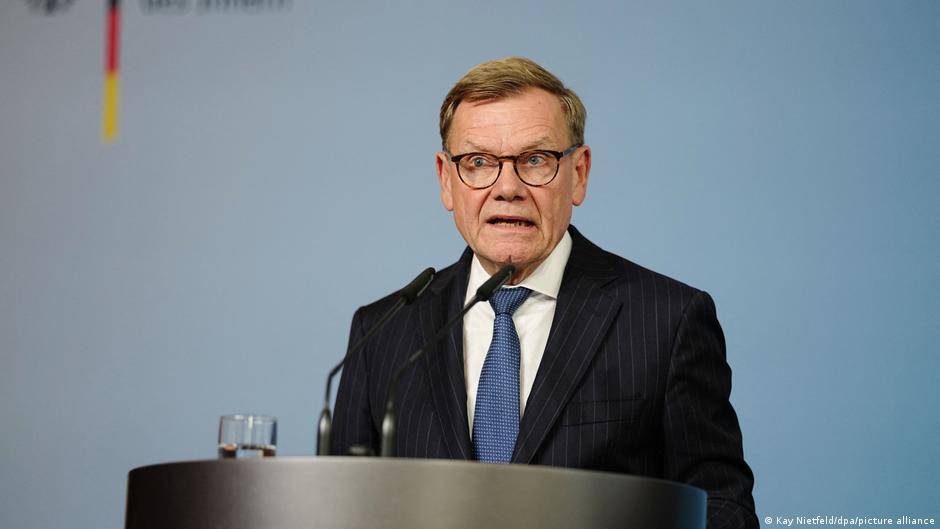
Germany’s closure of Russian facilities signals a broader strategy of constraining Moscow’s operational reach, not just issuing a diplomatic protest.

Germany’s closure of Russian facilities signals a broader strategy of constraining Moscow’s operational reach, not just issuing a diplomatic protest.

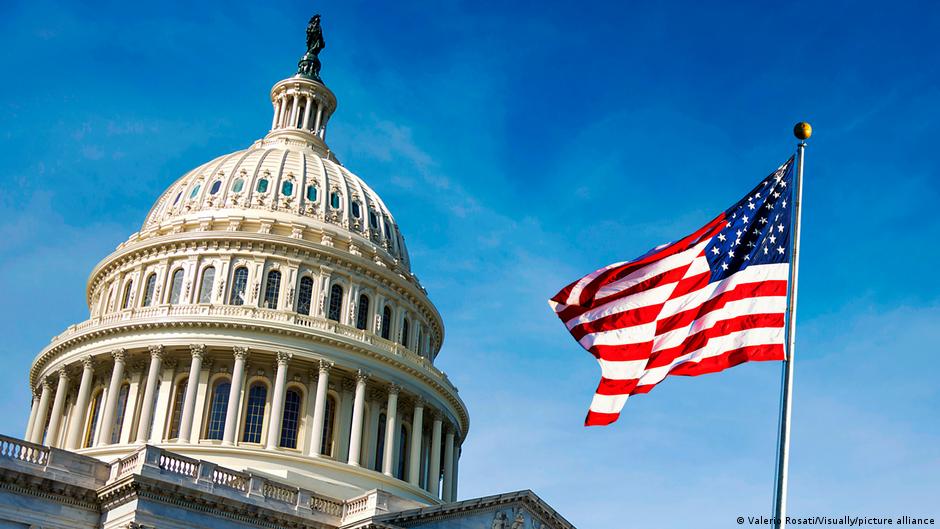
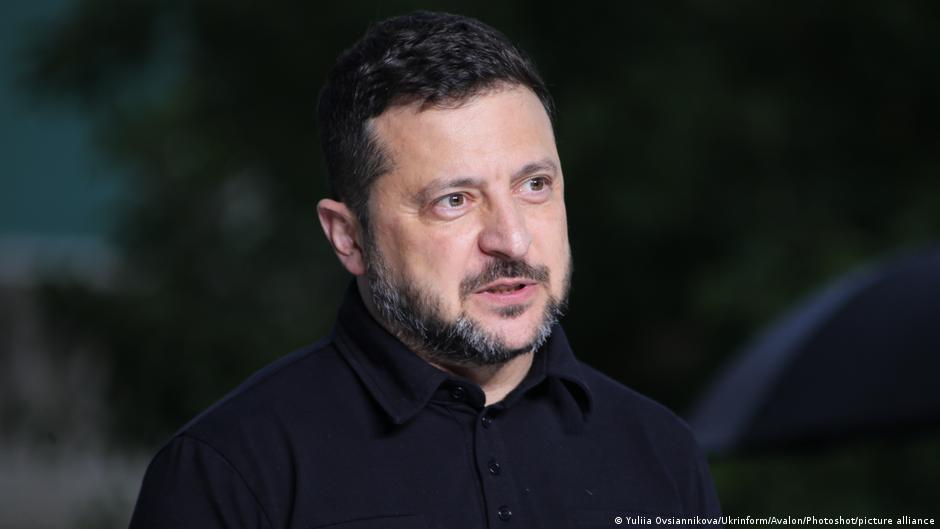
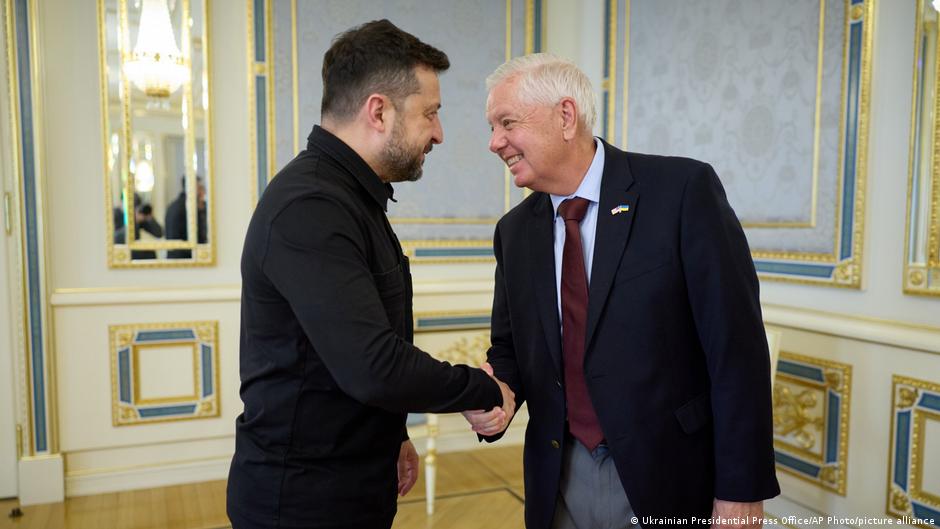
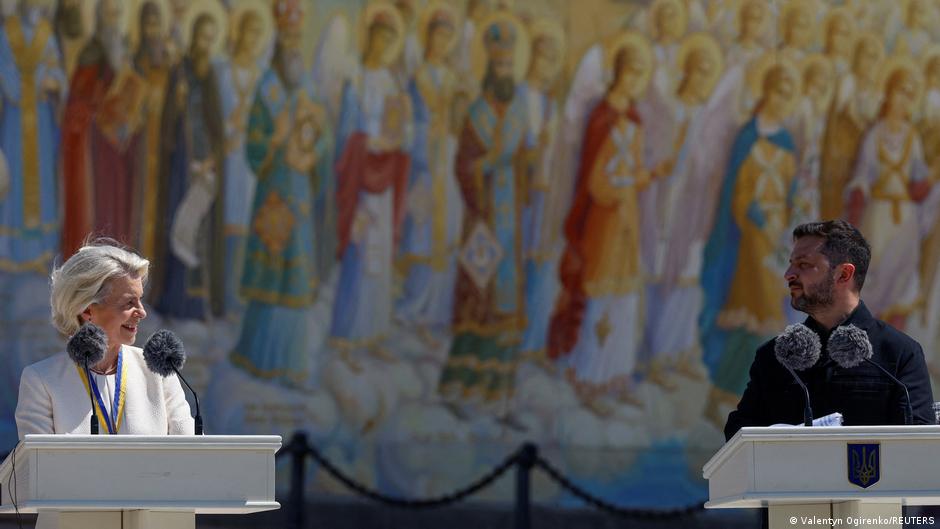
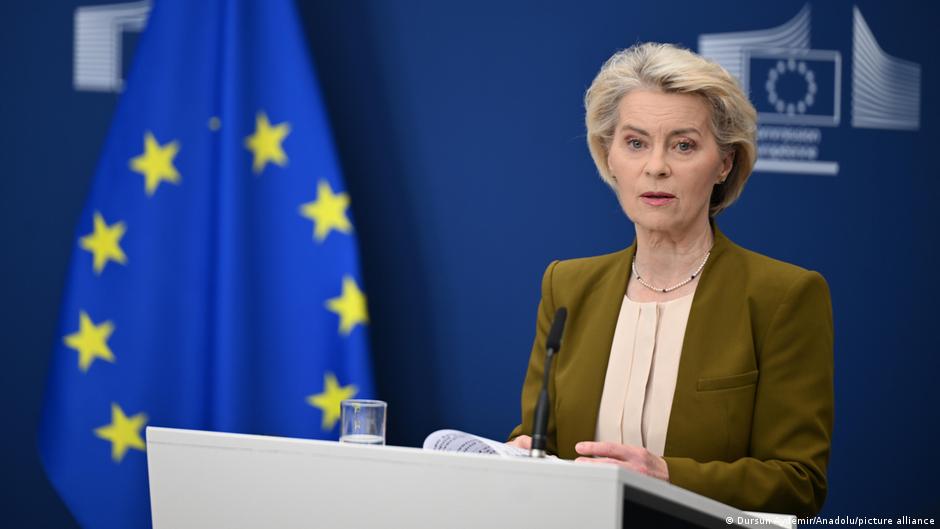
The EU Commission and Ukrainian President welcome new US Senate sanctions targeting Russia's energy exports and political elite, emphasizing coordinated pressure on Moscow's war financing.

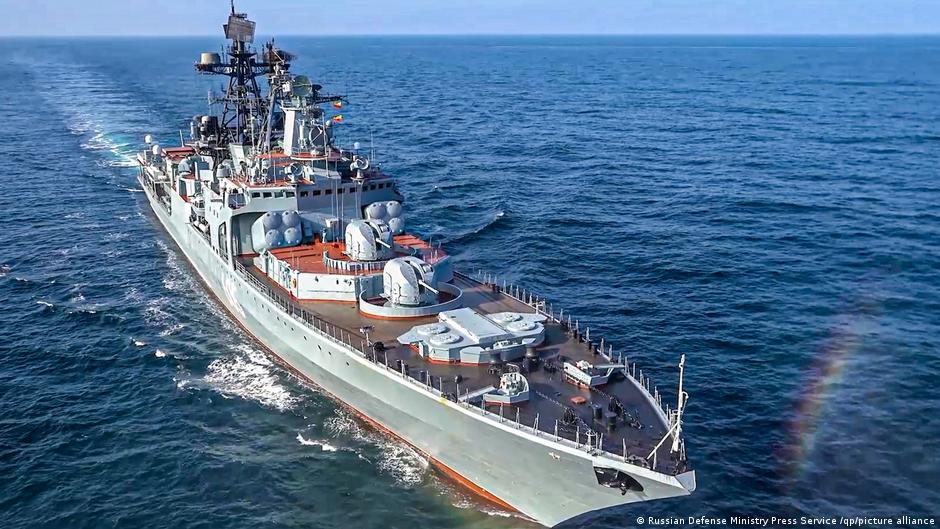
Russia has shifted the Northern Fleet’s anti-submarine ship Admiral Levchenko to the Baltic Sea near Germany, supporting its maritime oil shipments amid regional naval realignments.

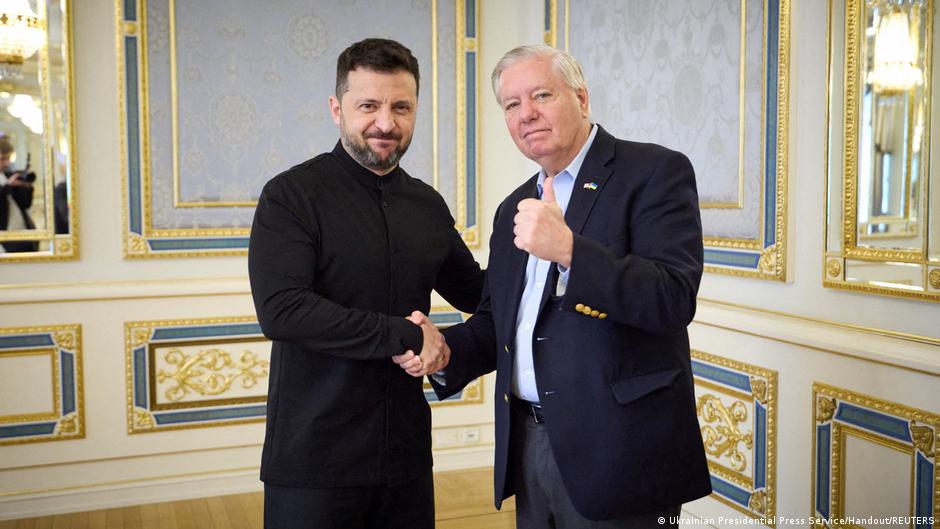
The US Senate advances the bipartisan 'Graham sanctions' bill imposing steep tariffs on Russian imports and allies, signaling a strategic shift in US economic pressure.

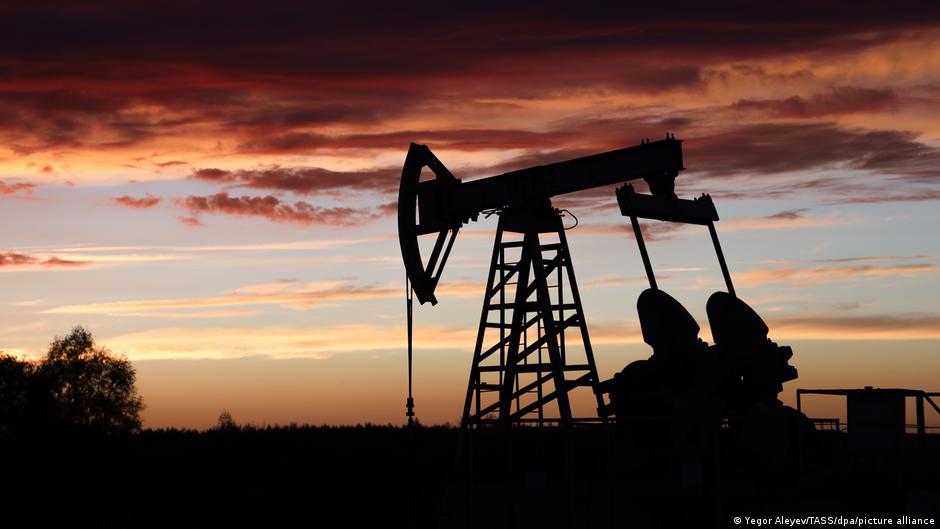
Russia's July oil and gas revenues may rise 60% year-on-year due to higher global prices, despite cumulative annual declines and ongoing EU sanctions targeting energy exports.

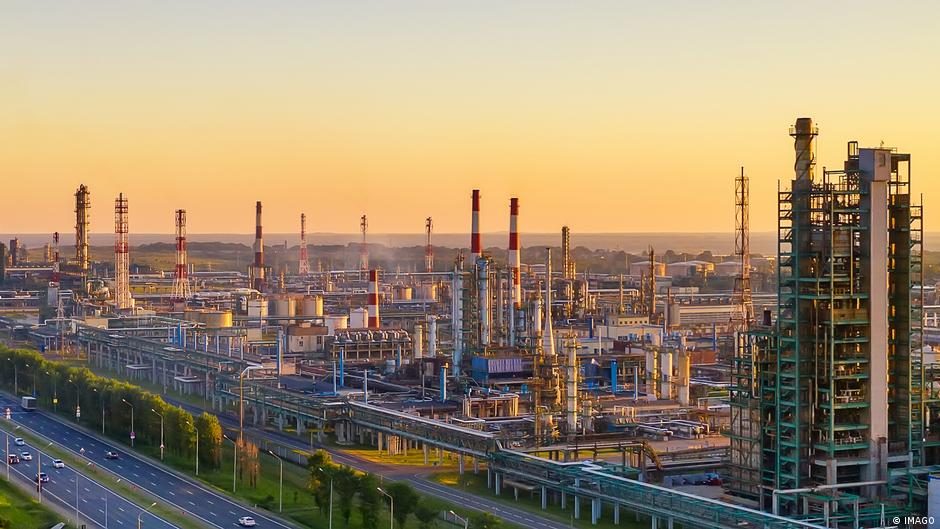
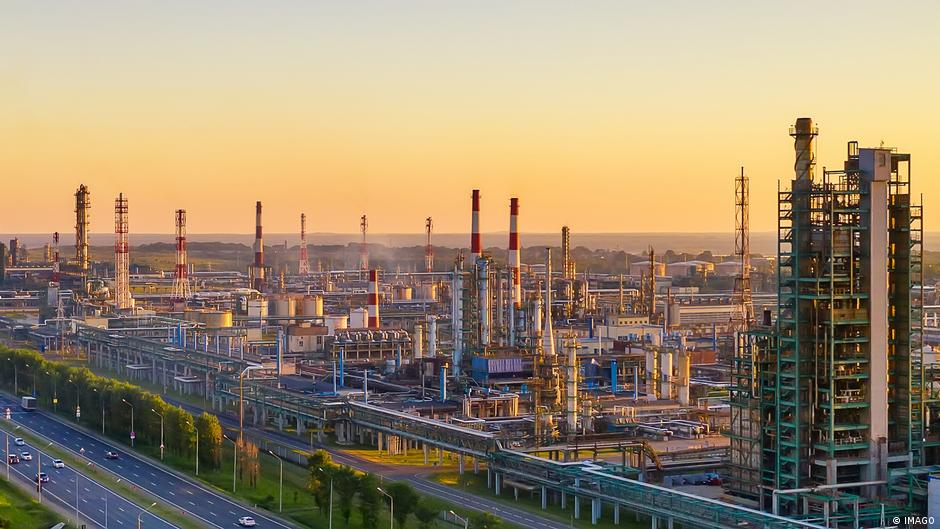
Russian petroleum product production fell nearly 22% in June 2026 amid refinery disruptions and supply constraints, despite partial market stabilization claims.

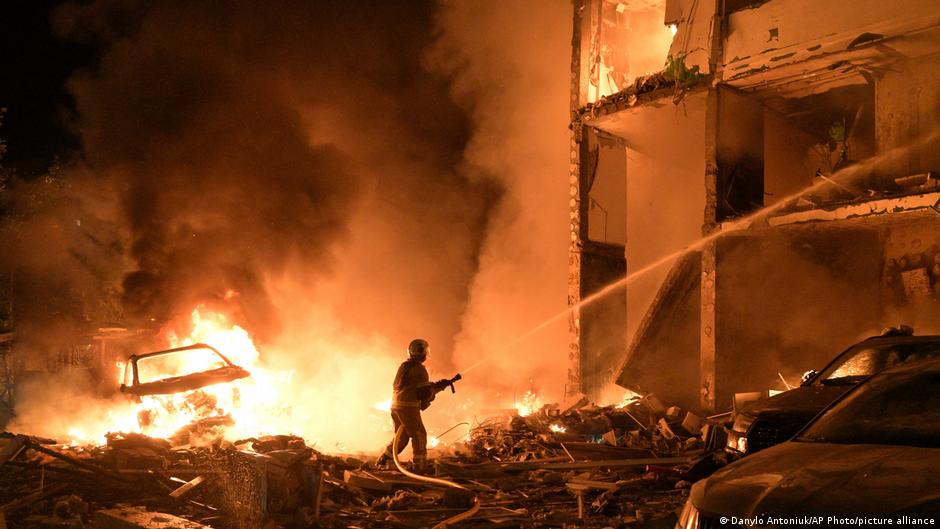
Russian missile strikes on Kyiv cause civilian injuries amid rising casualties and escalating Ukrainian drone attacks on Russian oil facilities.

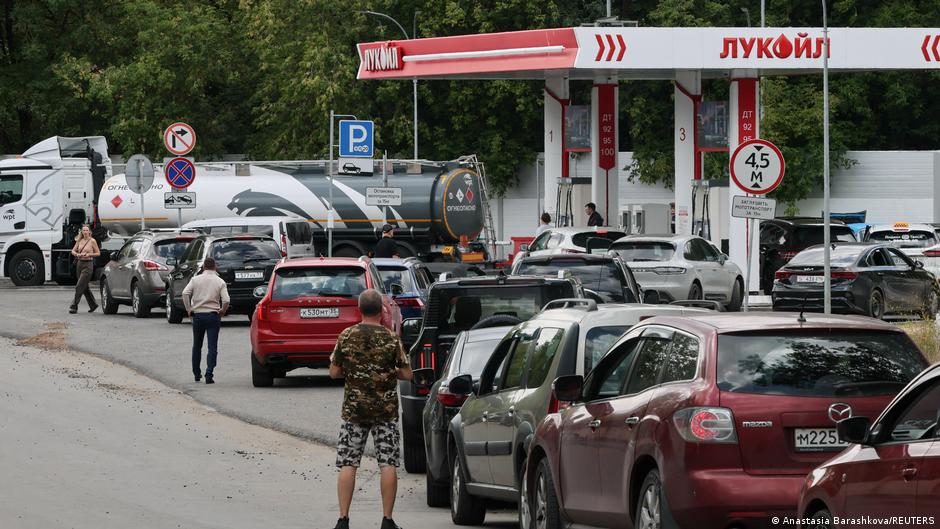
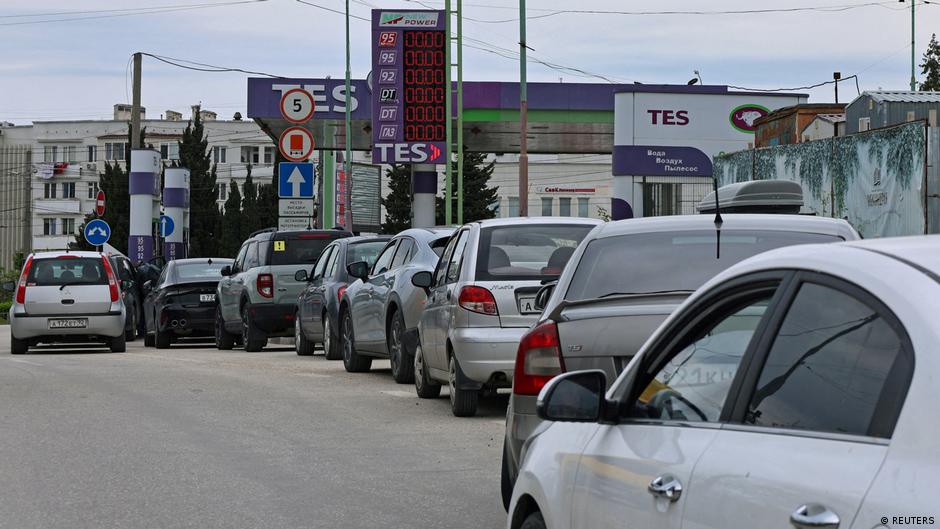
Gasoline prices in annexed Crimea surged 78.4% in early July amid Russia’s fuel shortages, export bans, and increased imports, signaling severe supply challenges.

Russia allows production and sale of Euro-3 gasoline and diesel until end of 2026 to ease fuel shortages caused by attacks on refineries, excluding exports to EAEU states.

Russia’s aviation fuel imports from Belarus surged nearly fourfold in May 2026, reflecting challenges in domestic production and prompting strategic shifts in fuel sourcing amid refinery disruptions.

France and Italy express reservations about the EU's proposed entry ban on Russian combatants, citing enforcement challenges and risks of broader application.

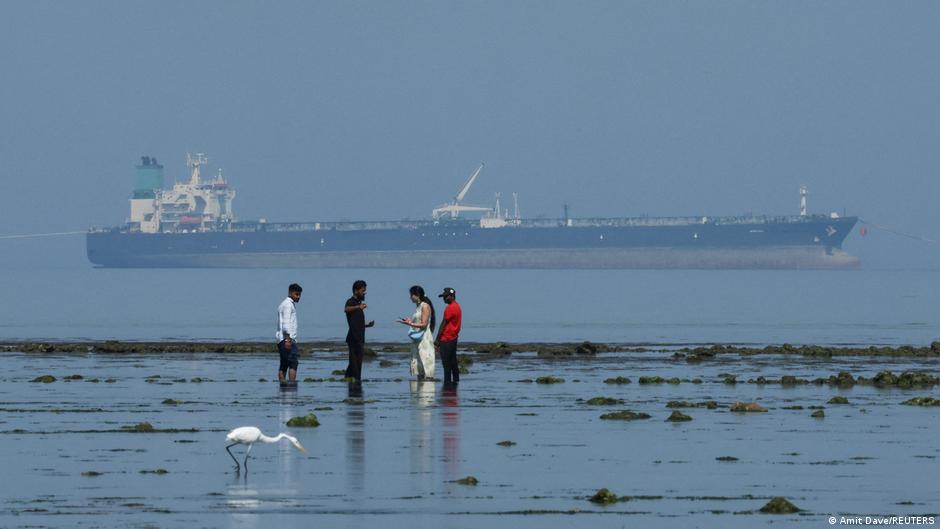
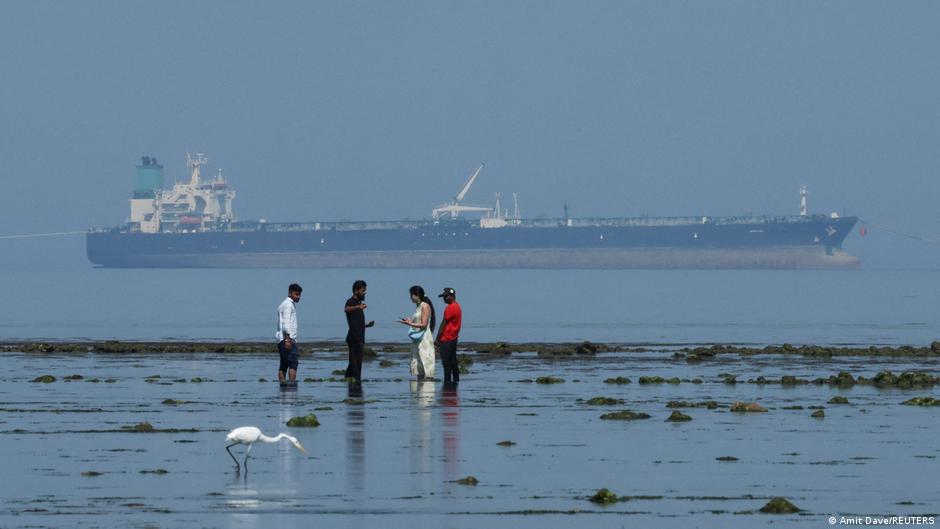
Russia's maritime oil exports hit a peak weekly volume in June 2026 despite intensified competition from Iran after US sanctions relief, highlighting complex strategic challenges.

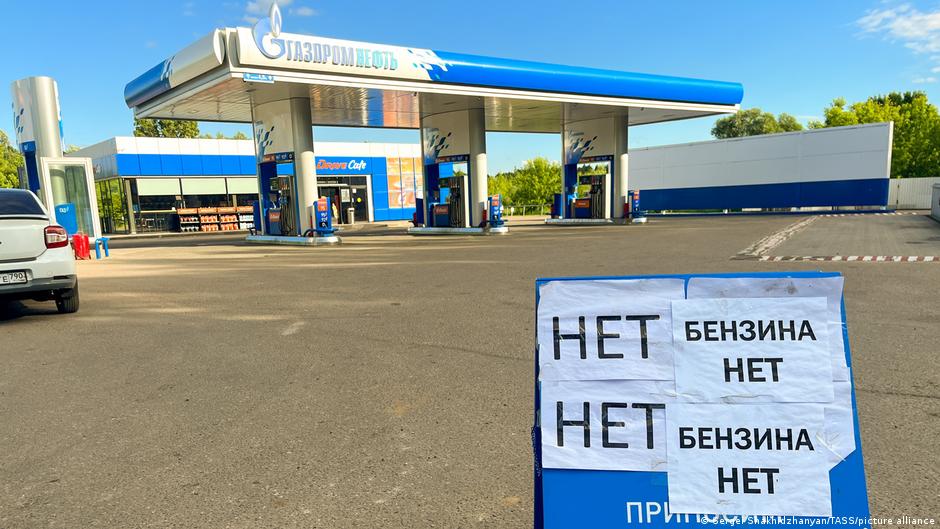
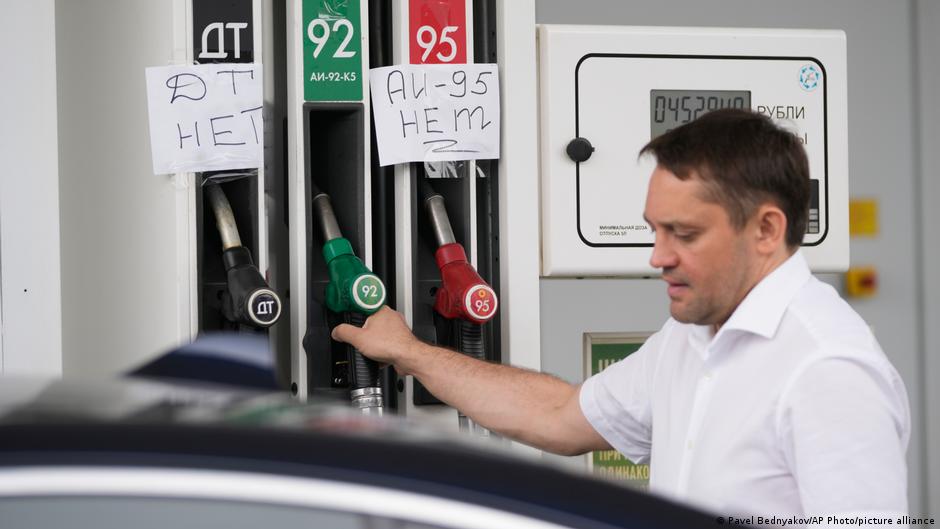
Russian regions impose fuel purchase limits due to supply disruptions from Ukrainian drone attacks on oil infrastructure, affecting over 50 regions nationwide.

Germany urges Turkey to exclude Russian gas from future EU energy contracts, highlighting geopolitical shifts and challenges in transitioning energy sources.

Russia plans to limit diesel and aviation kerosene exports temporarily amid refinery disruptions caused by repeated drone attacks, aiming to stabilize the domestic fuel market.

The UK issues an indefinite license to import Russian-origin diesel and kerosene from third countries, adjusting sanction policies amid energy market pressures.

The US Treasury has let temporary sanctions relief on Russian oil exports expire without extension, signaling a shift in energy sanctions policy amid geopolitical tensions.

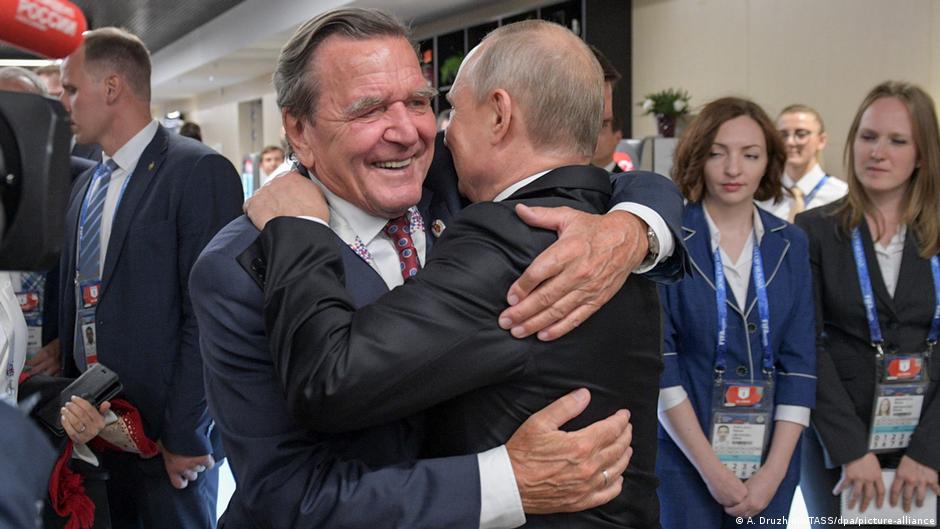
Putin names Gerhard Schröder as preferred EU negotiator for Ukraine peace talks, emphasizing the need for respectful dialogue and signaling Russia's strategic diplomatic approach.

The US Treasury will not extend temporary waivers for purchasing Russian and Iranian oil shipments at sea, signaling a stricter sanctions regime amid geopolitical tensions.