US Will Not Extend Temporary Sanctions Exemptions for Russian and Iranian Oil Shipments
US Treasury signals end of temporary waivers allowing purchases of Russian and Iranian oil cargoes already at sea amid tightening sanctions.
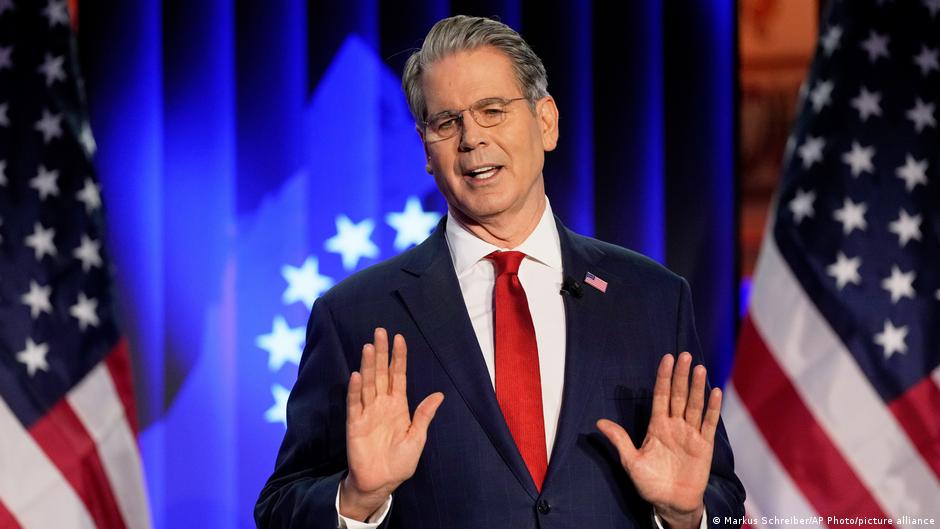
In a significant shift in US sanctions policy, Treasury Secretary Scott Bessent announced that the United States will not renew its temporary exemptions allowing the purchase and transport of Russian and Iranian oil products already en route by sea. This move marks a tightening of sanctions aimed at curbing revenue streams for Moscow and Tehran.
Strategic Background and Rationale
The exemptions, which have been in place for several weeks, were initially introduced to accommodate vulnerable and low-income countries dependent on these energy supplies. Secretary Bessent emphasized that the prior waiver was a targeted, short-term measure responding to urgent humanitarian considerations raised during recent World Bank and IMF meetings. "It was done for those vulnerable and poor countries," he stated.
"I can’t imagine that we would have another extension. I think the Russian oil at sea is mostly exhausted," Bessent remarked.
This suggests a calculated US strategy to phase out exceptions as inventories diminish and to maintain maximum pressure on Russia’s oil exports, which have been a critical source of state revenue amid ongoing geopolitical tensions.
Implications for the Oil Market and Geopolitics
The expiration of these waivers may disrupt supply chains for countries previously reliant on these shipments, potentially exacerbating energy market volatility. Earlier, US sanctions relief was designed with the backdrop of soaring energy prices influenced by the Iran war and blockades in the strategic Strait of Hormuz, which had threatened global oil flows.
Furthermore, Bessent indicated that pressure on Iran is expected to intensify to the point where Tehran may be forced to reduce oil production imminently. "We think in the next two to three days they will have to start cutting production, which will be very bad for their wells," he noted. This underscores a broader US strategy to diminish oil revenues from sanctioned states, thereby limiting their geopolitical leverage.
Despite the US intention to end the exemptions, a recent Reuters report from April 18 noted that the license allowing sales of Russian oil cargoes loaded on tankers had been extended through May 16. However, Secretary Bessent had previously indicated no plans for further extensions.
Market and Political Reactions
The initial easing of sanctions on March 13, described by Bessent as "narrowly targeted and short-term," was introduced amidst global concerns over rising energy prices. Nonetheless, reports from The New York Times in mid-April highlighted that the relaxation had allowed Russia to generate over $100 million in additional daily revenue from oil sales, an outcome at odds with US sanctions objectives.
The exemptions have drawn criticism from international stakeholders, notably from Ukrainian leadership. President Volodymyr Zelensky and Ukraine's US ambassador Olga Stefanishina publicly opposed the temporary sanction relaxations, reflecting the broader geopolitical contest and the strategic importance of curtailing Russian oil incomes.
As these exceptions expire, businesses involved in energy trading, shipping, and logistics will need to recalibrate their strategies in response to evolving sanctions compliance requirements and shifting market dynamics. The termination of exemptions signals a US commitment to intensify economic pressure through sanctions enforcement, with substantial implications for global oil supply chains and geopolitical alignments.