Ryanair to Close Berlin Base Citing Uncompetitive German Aviation Costs
Ryanair announces closure of its Berlin base and halves flights to the city due to rising aviation taxes and airport fees in Germany.
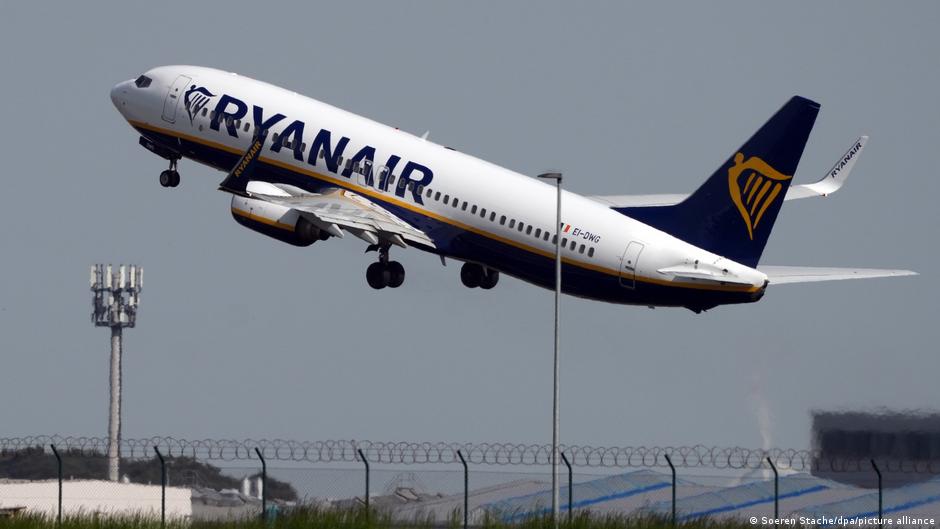
Irish low-cost carrier Ryanair has revealed plans to close its base at Berlin-Brandenburg Airport by October 24, 2026. The airline will withdraw all seven aircraft stationed there and reduce its flight frequency to Berlin by 50%, cutting annual passenger numbers from 4.5 million to 2.2 million. This strategic retreat reflects Ryanair’s assessment that operating costs in Germany have become prohibitively high for budget airlines.
Cost Pressures and Strategic Reallocation
Ryanair's decision follows Berlin airport's announcement to increase airport charges by 10% between 2027 and 2029. Notably, airport fees at Berlin-Brandenburg have already surged by 50% since the COVID-19 pandemic, despite a 30% decline in passenger traffic from 36 million in 2019 to 26 million projected in 2025. These escalating costs have pushed Ryanair to relocate its aircraft to more cost-effective EU airports that have abolished aviation taxes, including destinations in Sweden, Slovakia, Albania, and Italy.
"German aviation policy has failed its citizens by relying on high aviation taxes and airport fees," said Ryanair, highlighting a steep increase in charges since 2019.
Specifically, Germany’s aviation tax has risen from €7.30 to €15.50 per passenger; security fees are set to double from €10 in 2024 to €20 by 2028; and air traffic control charges have increased from €1 to €3.30 per passenger. These cumulative hikes sharply undermine the cost competitiveness crucial for low-cost carriers like Ryanair.
Industry and Management Implications
Ryanair’s CEO Eddie Wilson described the German aviation sector as being "in crisis," criticizing the absence of government strategies to reduce taxes and fees that hinder airline operations. This move is consistent with Ryanair’s prior withdrawals from Frankfurt, Düsseldorf, and Stuttgart bases, as well as route cancellations to Dresden, Leipzig, and Dortmund since 2019.
Berlin-Brandenburg Airport management has disputed Ryanair’s claims about fee increases, labeling the airline’s exit as unexpected and confirming ongoing negotiations between the parties. Meanwhile, Ryanair plans to initiate consultations with its Berlin-based staff to reassign flight crew positions across its European network, aiming to maintain employment levels while expanding passenger volumes elsewhere.
Ryanair’s strategic withdrawal underscores the challenges faced by low-cost carriers operating in markets with rising regulatory costs. The move highlights the impact of national aviation fiscal policies on airlines’ route networks, fleet deployment, and competitive positioning within Europe’s dynamic aviation landscape.