US Signals Russia Sanctions Relief Will Wait Until Ukraine War Ends
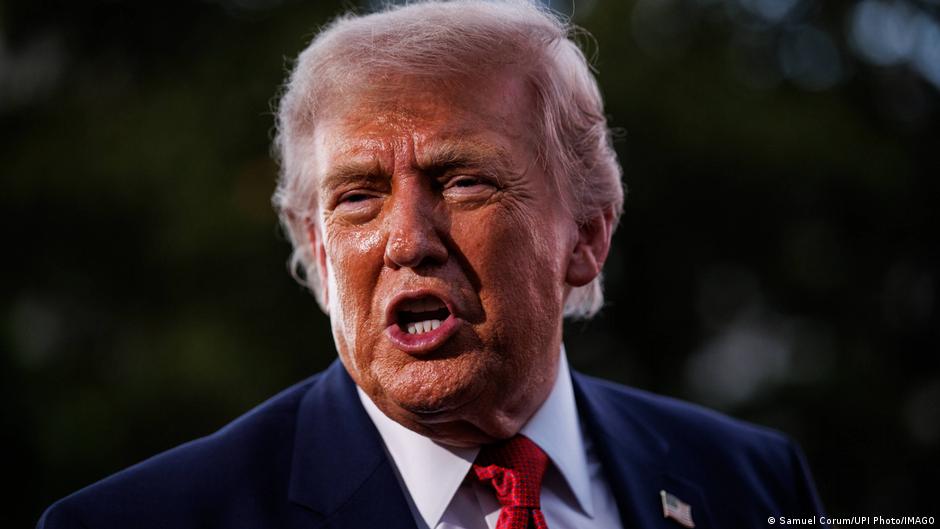
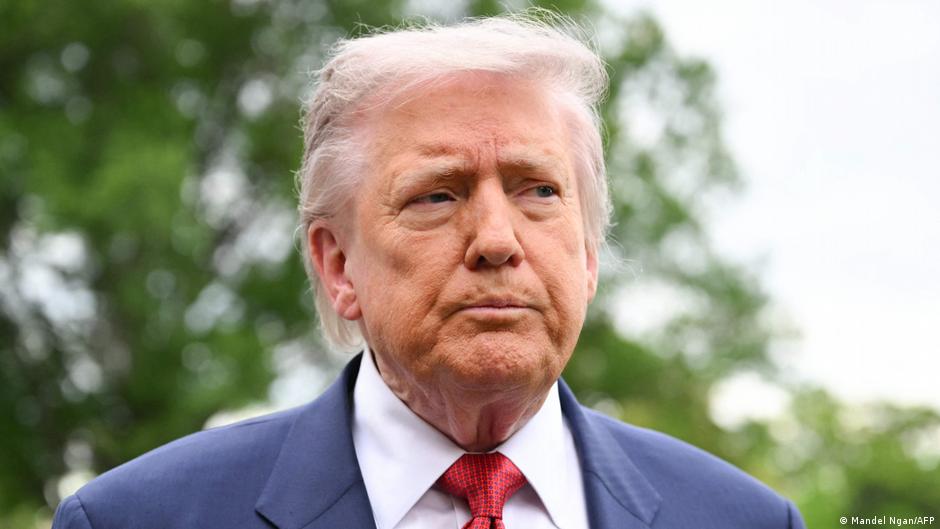
Washington reportedly told Moscow not to expect sanctions relief or wider economic deals before the war in Ukraine ends, reinforcing a hard-line policy stance.

Washington reportedly told Moscow not to expect sanctions relief or wider economic deals before the war in Ukraine ends, reinforcing a hard-line policy stance.

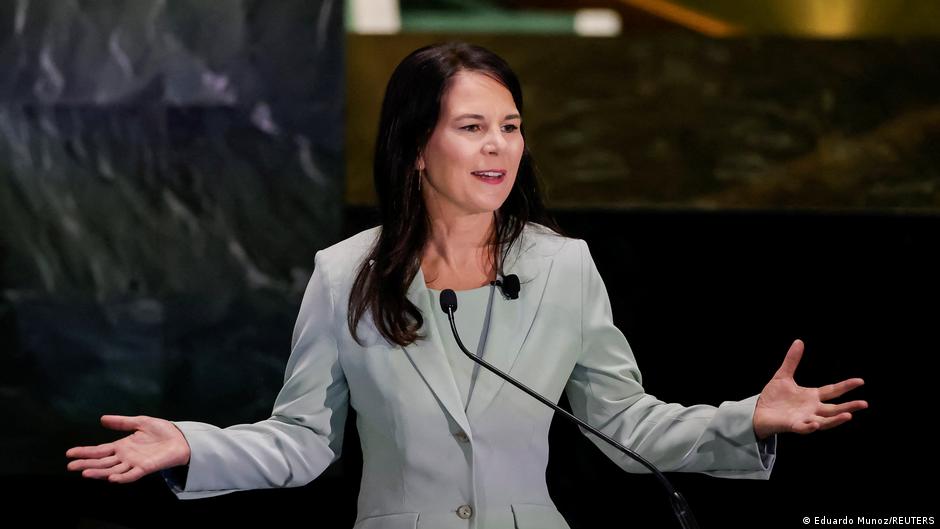
Annalena Baerbock will join Columbia University as co-director of a global leadership master's program after completing her term as UN General Assembly President.

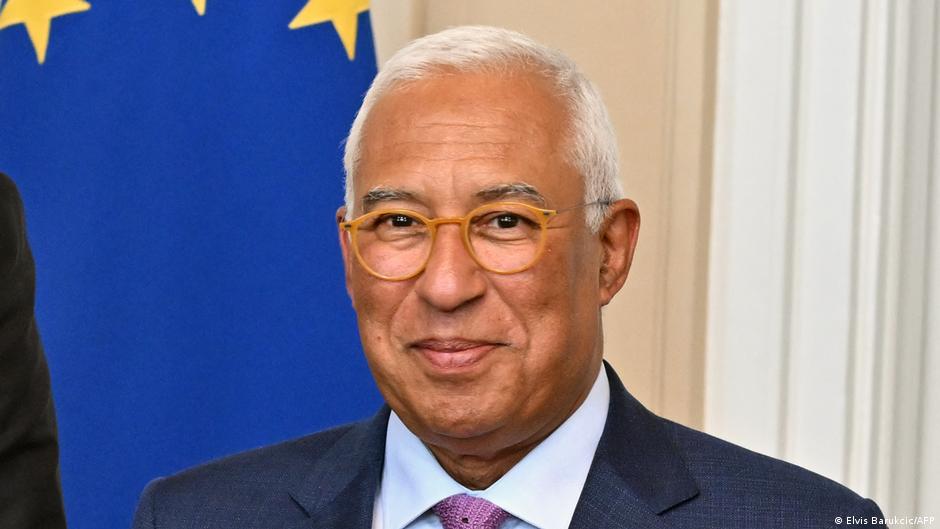
The EU commits to ongoing support for Ukraine, emphasizing long-term integration and sustained sanctions on Russia to ensure regional stability and security.

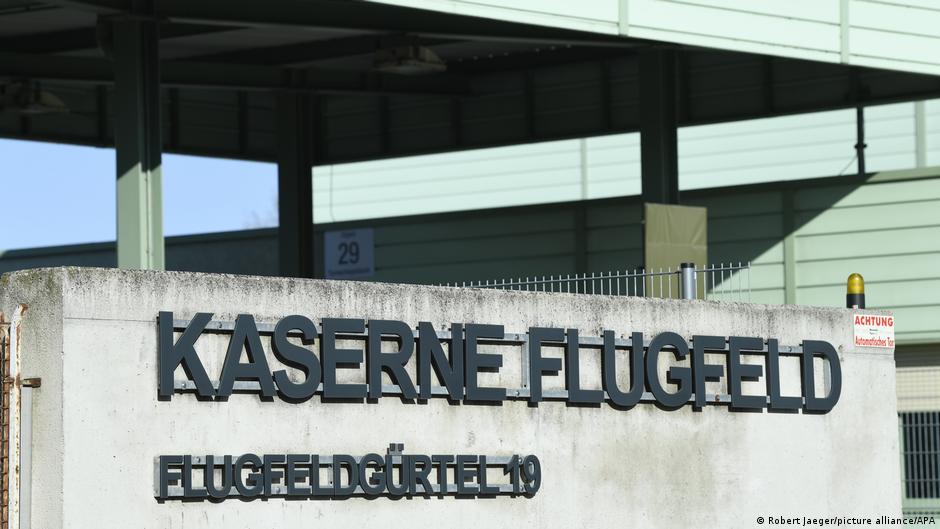
Austria plans to extend mandatory military service to nine months and introduce recurring training to strengthen defense amid increased security threats in Europe.

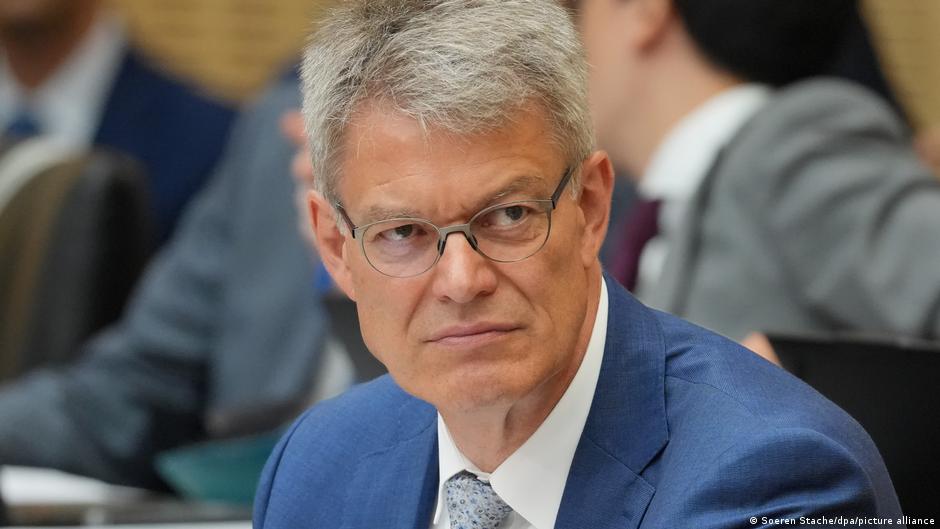
Germany’s Transport Minister Patrick Schnieder resigns as Chancellor Friedrich Merz nominates Steffen Bilger amid party tensions and strategic government reshuffles.

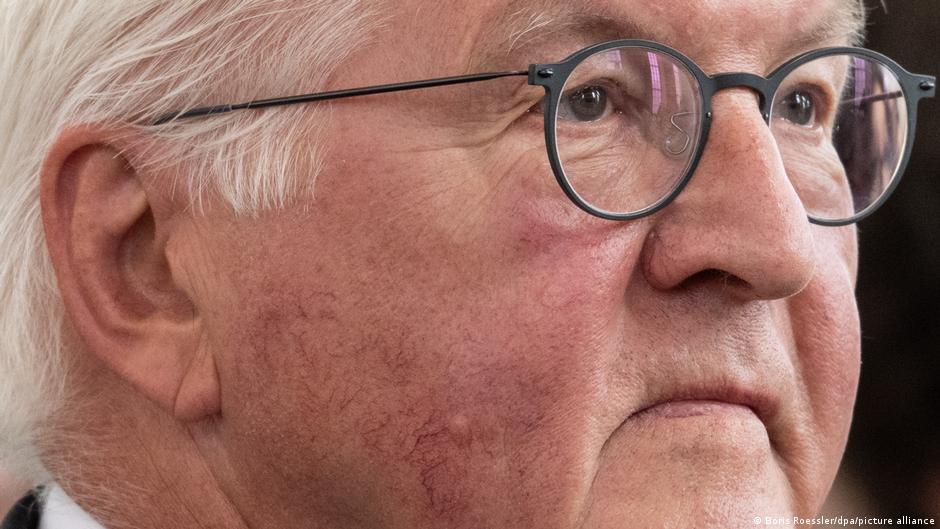
German President Steinmeier calls for Europe to respond firmly to geopolitical challenges from Russia and the US, highlighting social reforms and democratic resilience amid rising far-right support.

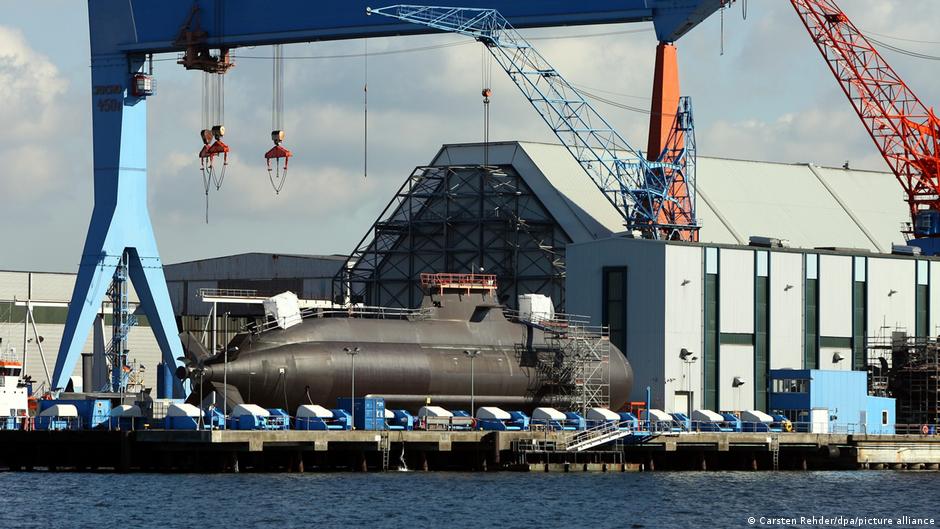
Canada selects Germany's TKMS to build up to 12 advanced submarines, boosting NATO's Arctic defense and signaling deeper transatlantic cooperation.

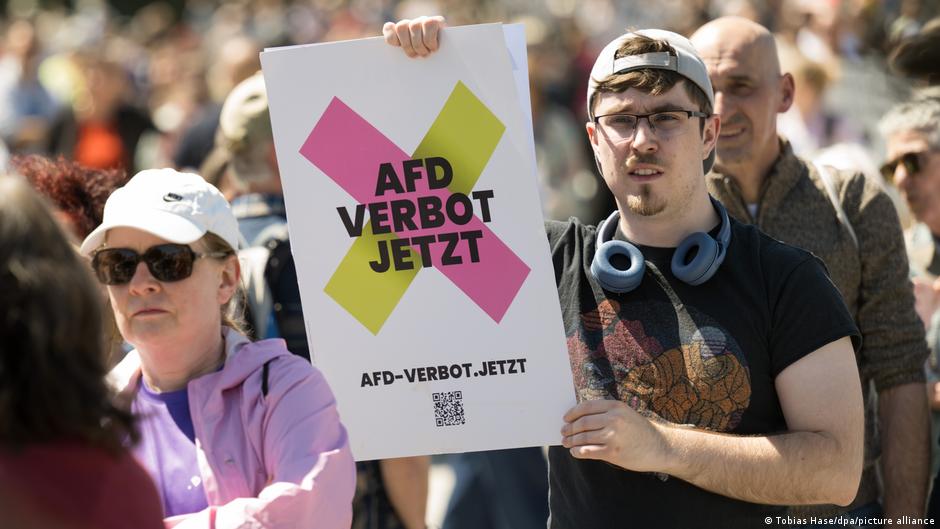
A recent Insa poll shows 45% of Germans oppose banning the far-right AfD party despite its lead over CDU/CSU, highlighting political divisions and implications for Germany's corporate landscape.

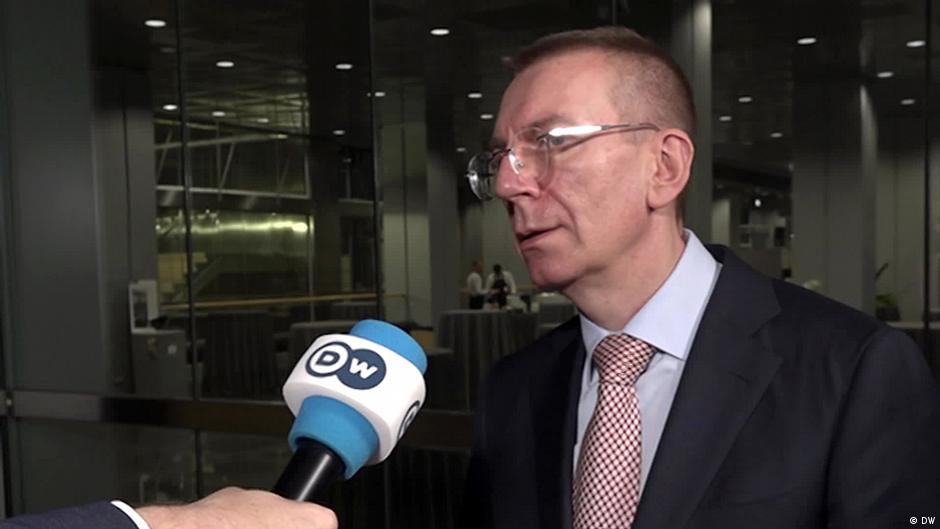
Latvian President Edgars Rinkēvičs calls for NATO to prepare for possible escalation with Russia, stressing the need for stronger military capabilities beyond increased defense budgets.

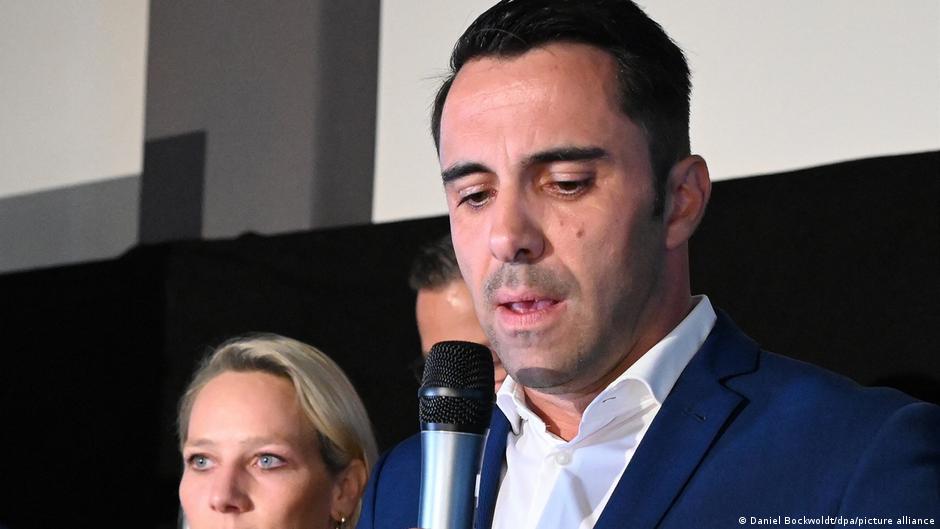
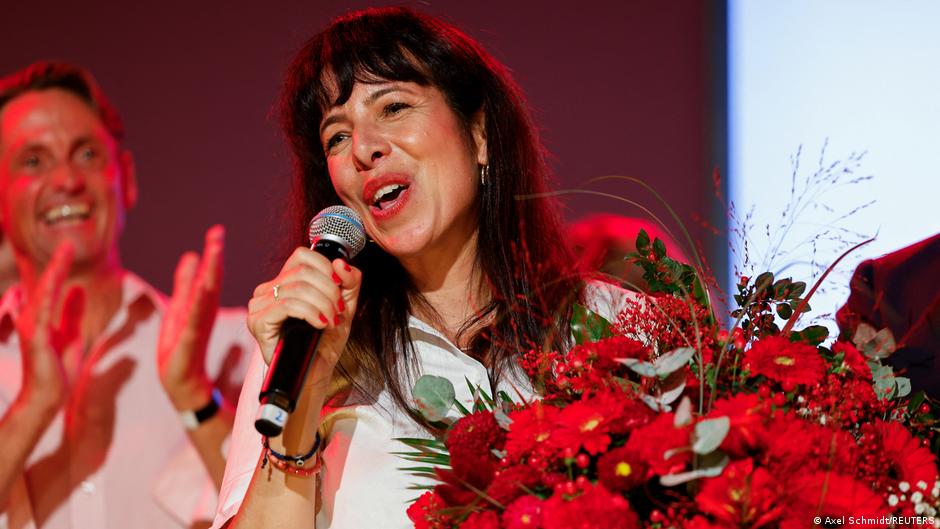
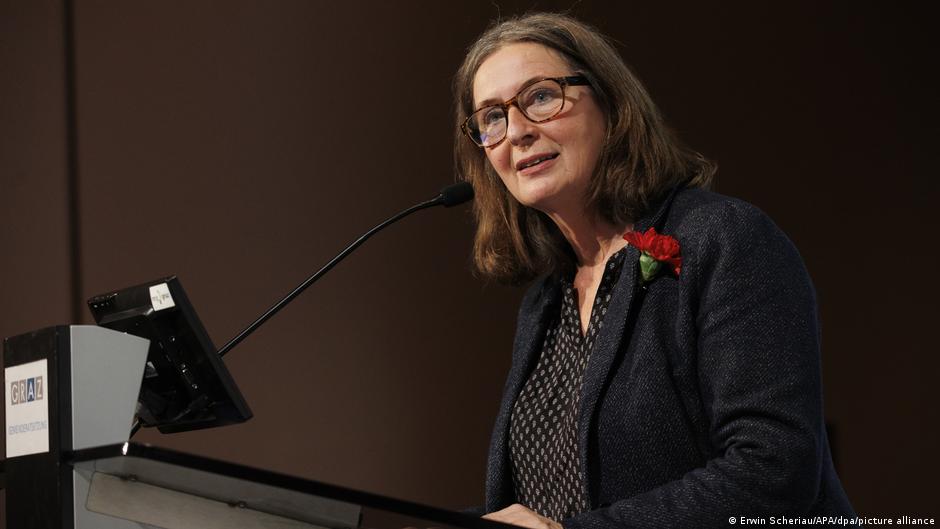
The Communist Party of Austria solidified its leading position in Graz’s municipal elections, leveraging pragmatic housing policies and moderate discourse amid a complex political landscape.

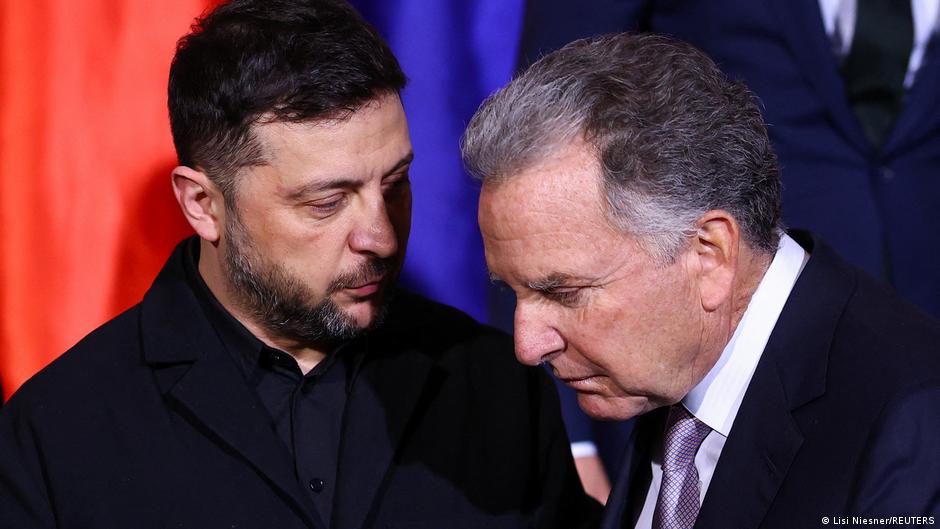
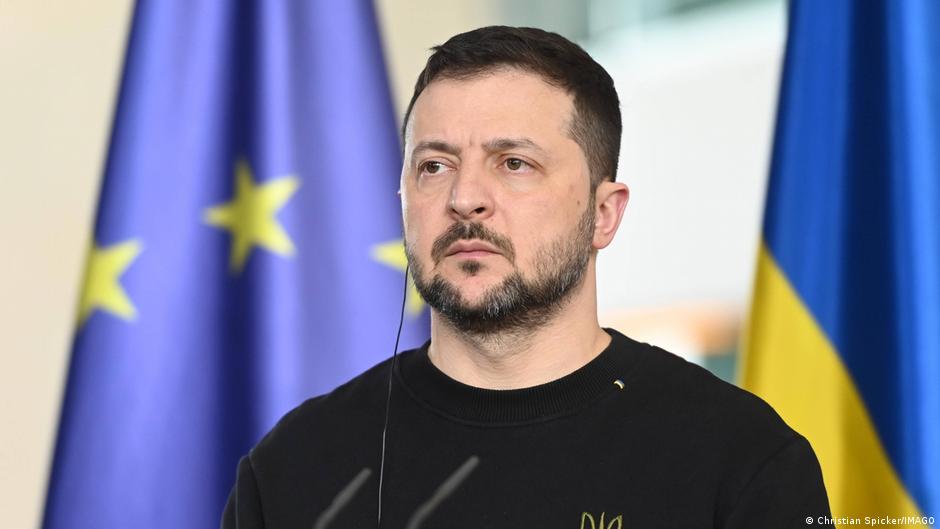
Ukrainian President Zelensky holds constructive talks with Trump envoys to intensify diplomatic efforts and coordinate international support amid ongoing conflict.

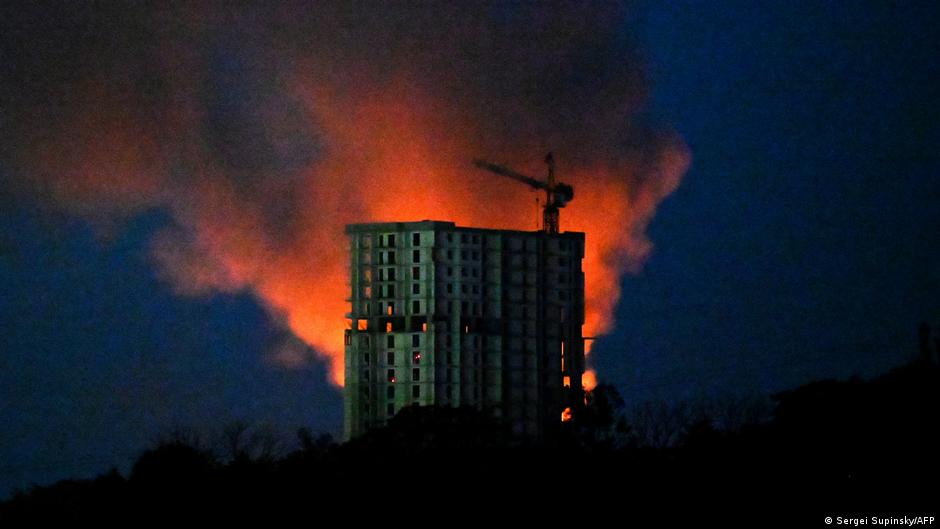
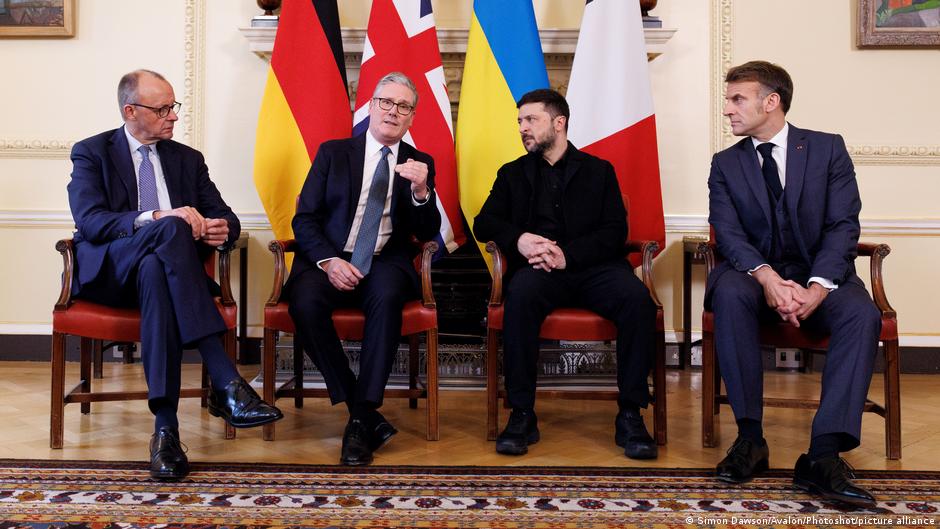
Russian drone strikes intensify around Kyiv, targeting Ukraine’s logistics and transport routes, while diplomatic efforts to end the war progress in London.

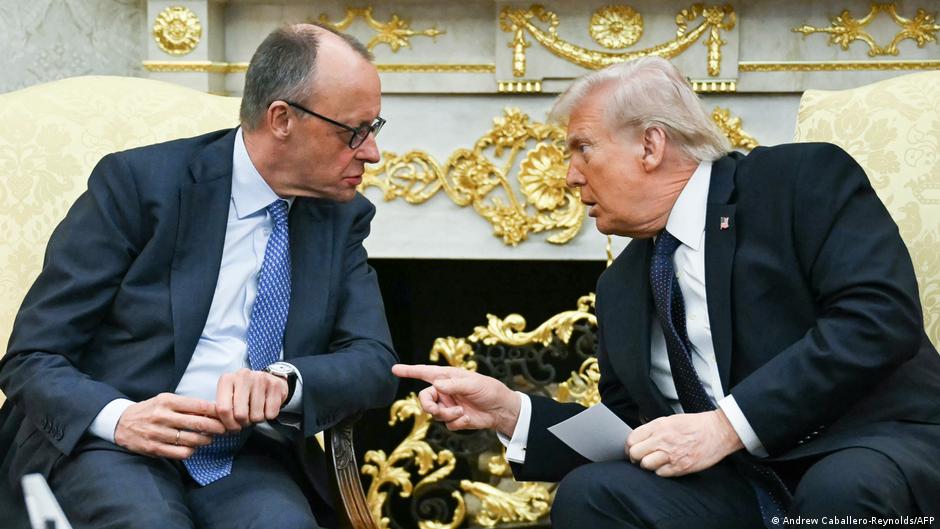
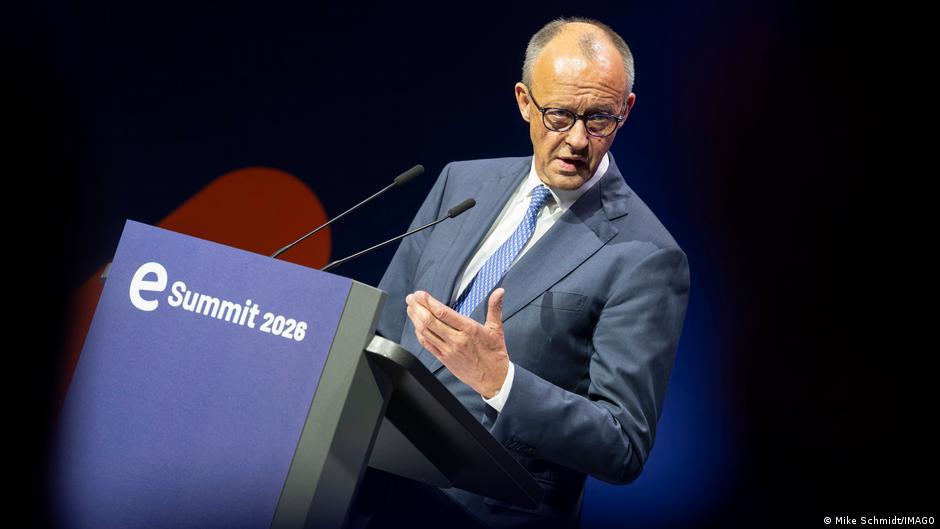
Chancellor Friedrich Merz's team denies rumors of early leadership change, calling them baseless amid low government approval and internal CDU speculation.

The EU delays naming a negotiator for Ukraine peace talks, focusing first on defining negotiation goals and reinforcing sanctions against Russia's financial and defense sectors.

Ukraine and its European allies held a high-level video conference to discuss reactivating diplomacy and increasing Europe's role in ending the Russian aggression.

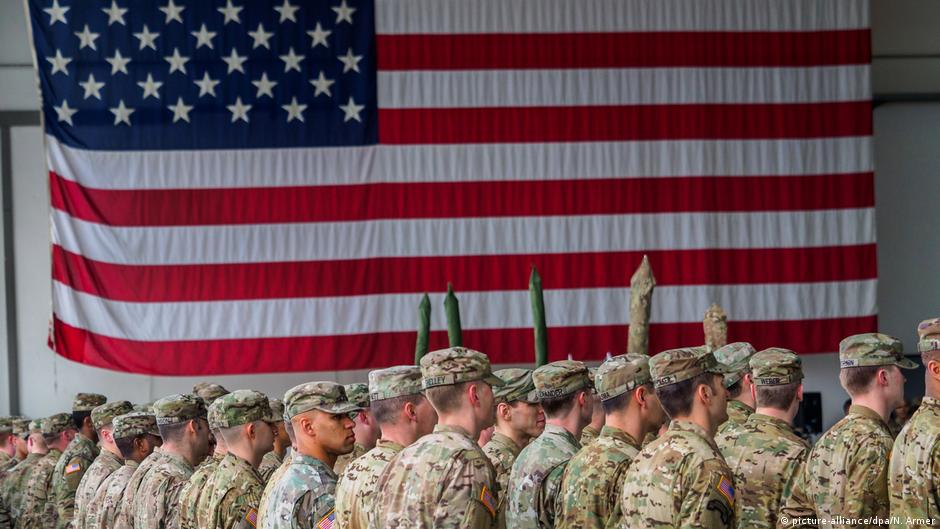
Trump announces sending 5,000 additional U.S. troops to Poland amidst Pentagon troop movement reversals and strategic realignments in Europe.

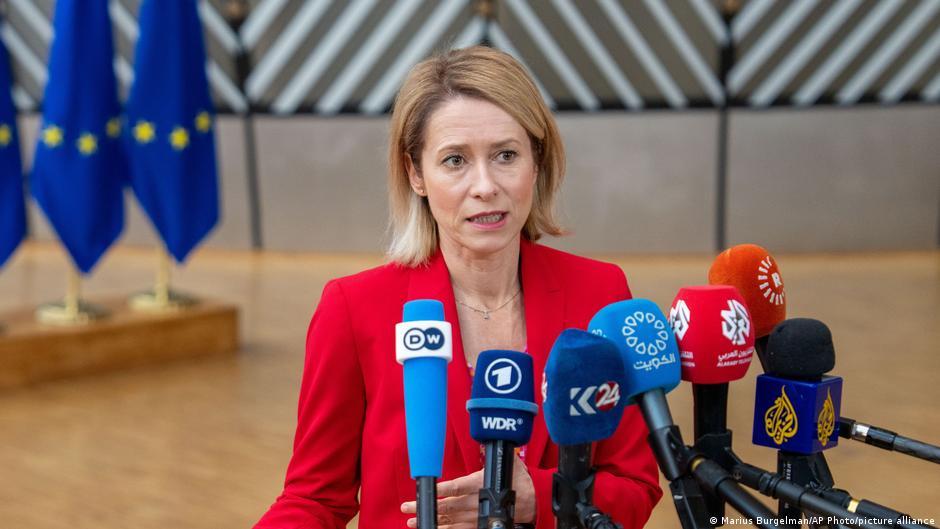
EU foreign policy chief Kaja Kallas warns Russia, China, and the US employ divide-and-conquer tactics to weaken EU unity and influence global power dynamics.

Ukraine and Germany advance joint air defense and drone manufacturing efforts to counter escalating Russian attacks, enhancing military cooperation and technology integration.

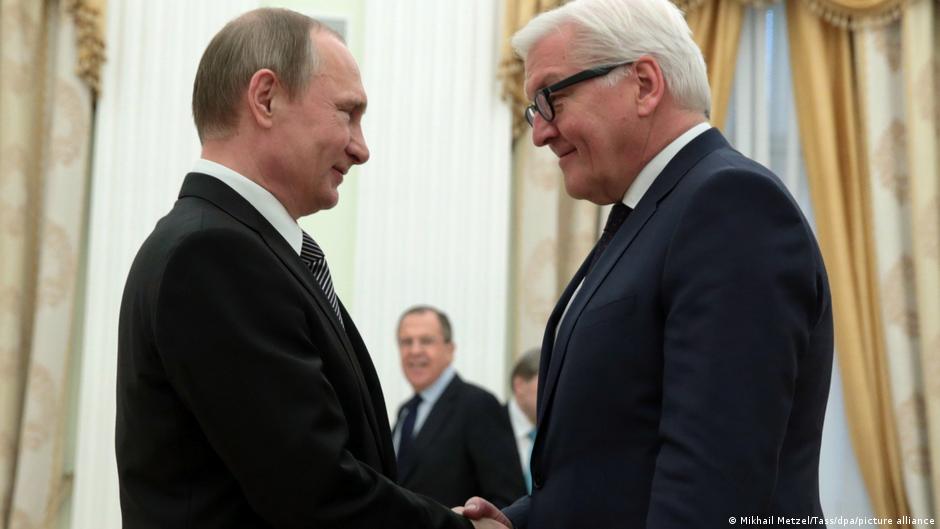
Germany considers President Steinmeier as EU envoy for Russia-Ukraine peace talks, proposing a joint mediation with Schröder amid skepticism about Moscow's intentions.

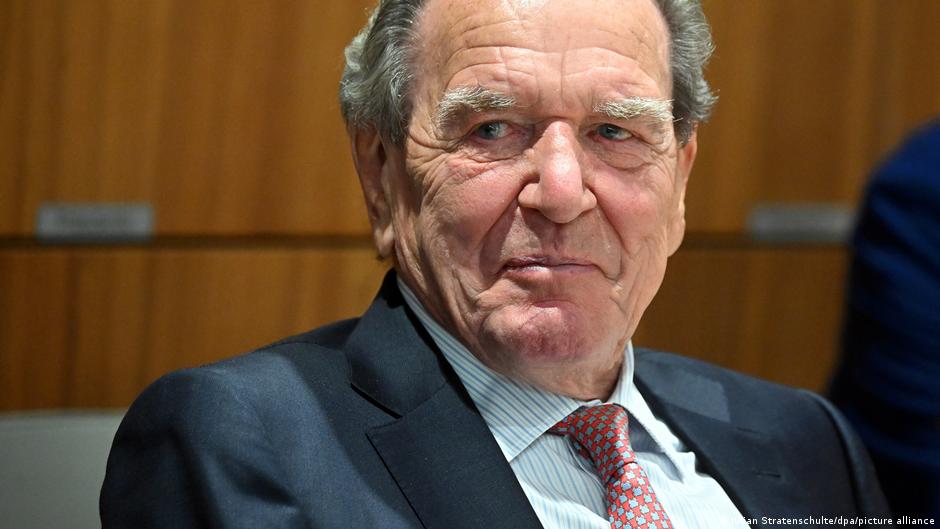
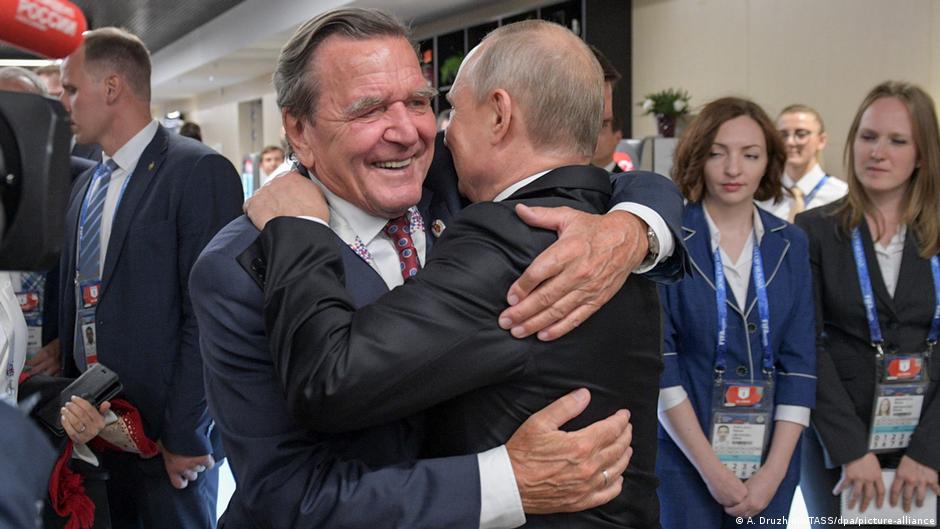
Putin names Gerhard Schröder as preferred EU negotiator for Ukraine peace talks, emphasizing the need for respectful dialogue and signaling Russia's strategic diplomatic approach.

US President Trump confirms the possibility of relocating American troops from Germany to Poland, reflecting shifts in NATO's military strategy and transatlantic relations.

Germany is accelerating development of domestic long-range weapons after the US declined to deploy Tomahawk missiles, aiming to counter Russia’s Iskander threat and bolster European deterrence.

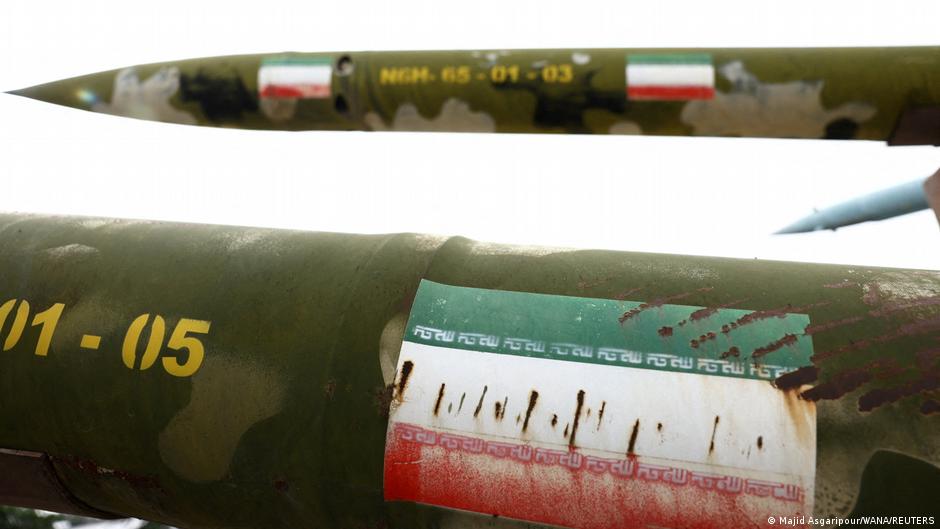
Iran launched missile and drone attacks on the UAE, marking a significant escalation since the US-Iran ceasefire, prompting condemnation and raising regional security concerns.

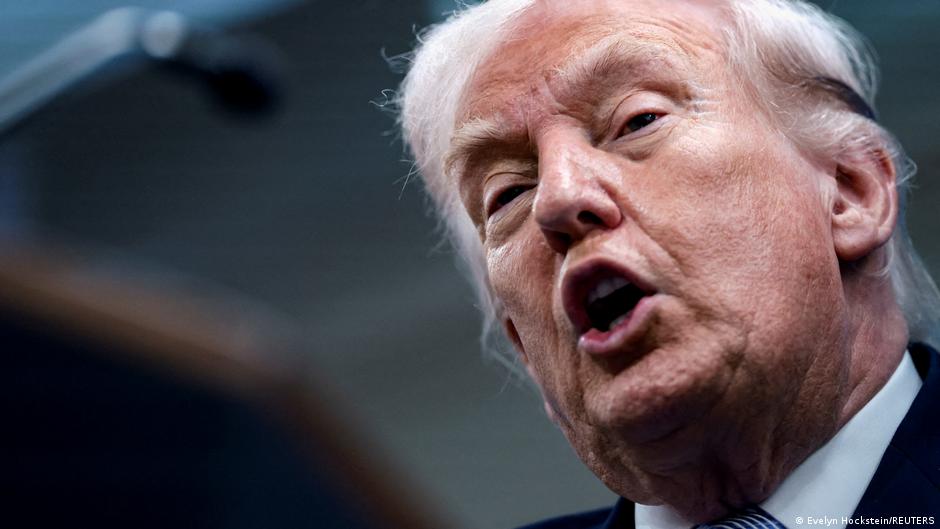
President Trump announces a significant reduction of US troops in Germany beyond prior figures, signaling a strategic reorientation of US military presence in Europe.

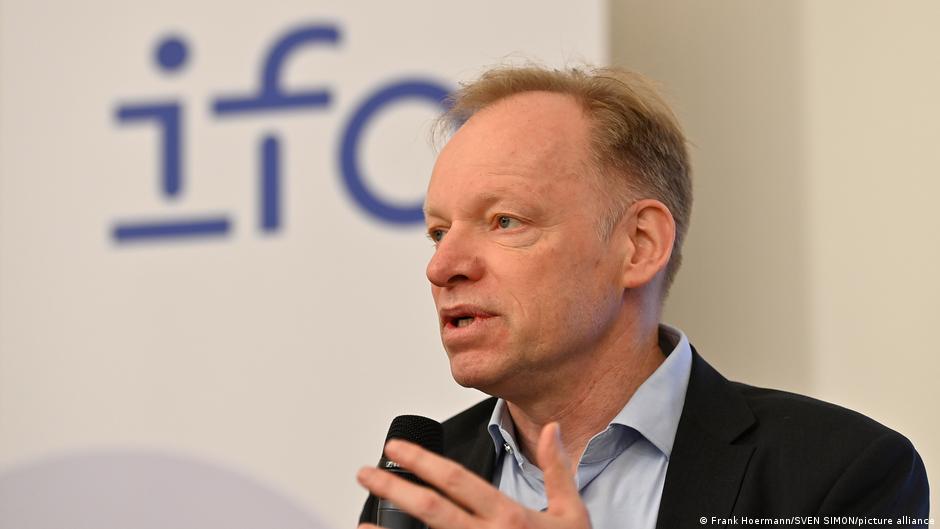
The ifo Institute warns that US tariff hikes on EU cars risk triggering a German recession in 2026 if the EU retaliates, threatening the country's vital automotive exports amid escalating trade tensions.

The Pentagon orders withdrawal of 5,000 US troops from Germany within a year, reflecting a strategic reassessment of American military presence in Europe.

Germany attributes a recent phishing campaign on Signal targeting politicians and journalists to Russian actors, prompting investigation and enhanced security measures.

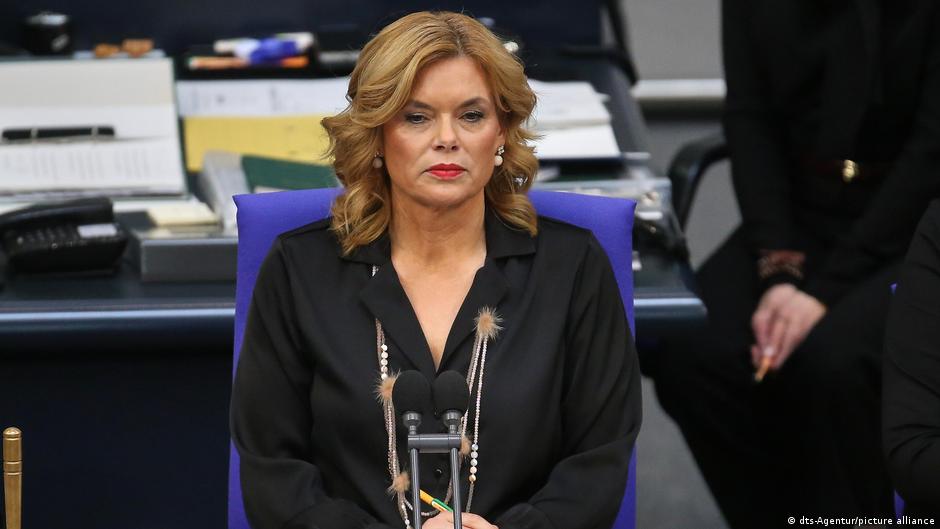
Julia Klöckner's Signal account was hacked in a phishing attack compromising CDU leadership communications, highlighting cybersecurity vulnerabilities in German politics.