Germany Considers Steinmeier as EU Representative for Russia-Ukraine Peace Talks
Berlin views a joint mediation effort by Steinmeier and Schröder as a viable approach to facilitate EU-Russia negotiations on ending the Ukraine conflict.
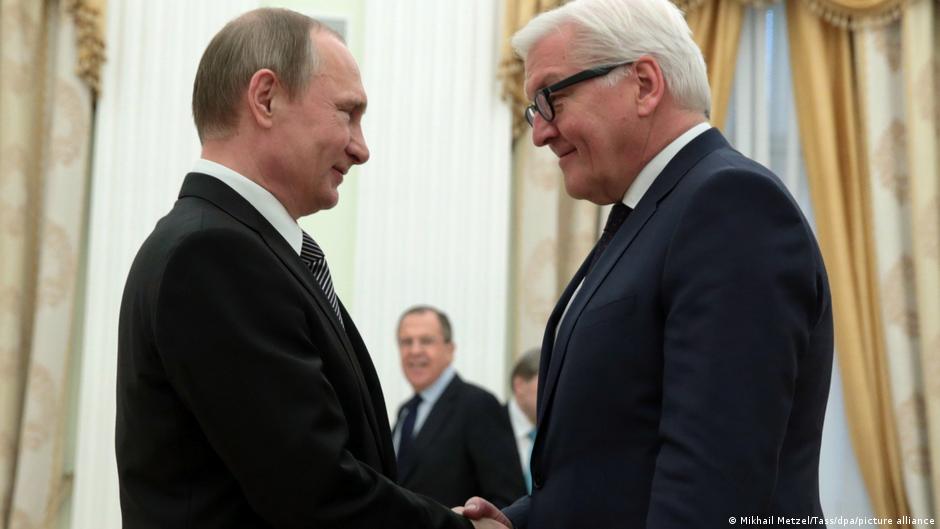
The German government is exploring the possibility of Federal President Frank-Walter Steinmeier representing the European Union in potential peace negotiations with Russia aimed at ending the ongoing war in Ukraine. This consideration comes amid discussions about forming a mediation duo involving Steinmeier and former Chancellor Gerhard Schröder.
Strategic Mediation Amid Diplomatic Challenges
According to sources close to the German government, the ruling coalition is skeptical about Vladimir Putin's proposal to appoint Schröder alone as the EU's representative in the negotiations. Schröder's long-standing relationship with Putin is acknowledged, but German officials doubt his ability to shoulder the responsibility independently. The concept of a "mediation duo" pairing Steinmeier with Schröder has been described in Berlin as an "interesting option."
"The cooperation between Steinmeier and Schröder could provide a balanced representation for the EU, combining political gravitas and established channels with Russia," a government insider noted.
Earlier reports from Reuters, Süddeutsche Zeitung, and Der Spiegel indicated that the German government had rejected Putin's initial offer to have Schröder act as the EU's negotiator due to concerns about the credibility and intentions behind Moscow's overtures.
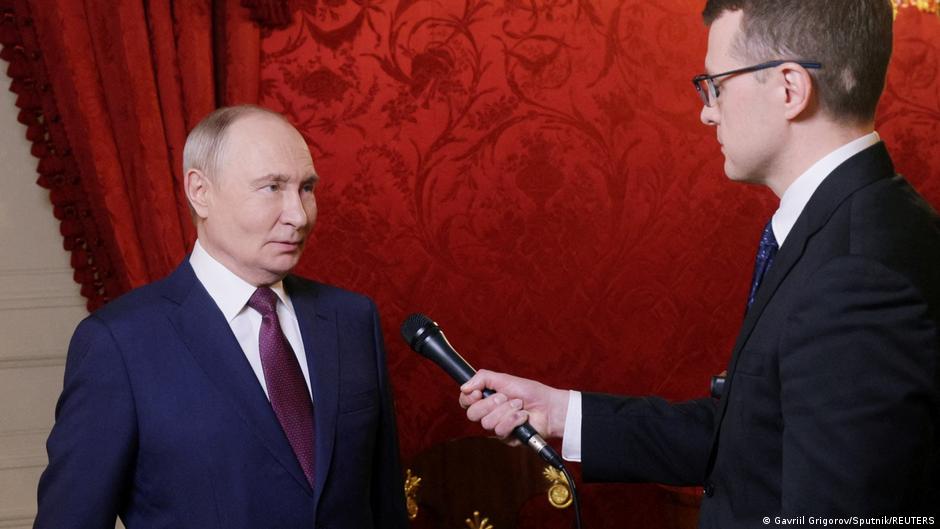
On May 9, during a press conference, President Putin identified Schröder as his "preferred" candidate to represent the EU in talks to conclude the conflict. Putin emphasized that Russia remains open to dialogue but insisted that Europe select a negotiator who has refrained from making disparaging remarks about Russia. He asserted that Russia has always engaged respectfully with the EU.
Currently, official negotiations between Russia and Ukraine are not underway. Russian Foreign Minister Sergey Lavrov confirmed in mid-April that no formal talks are taking place.
German officials express skepticism about Moscow's willingness to compromise, viewing Putin's latest statements as part of a pattern of dubious proposals. The German government considers Russia's readiness to extend a recent three-day ceasefire as a more tangible indicator of genuine intent to move toward peace.
An official close to the federal government described Putin's statements as "fitting into a series of sham offers" and suggested they are elements of a hybrid strategy aimed at creating divisions within Europe.
Implications for EU-Russia Diplomatic Dynamics
This development reflects the complexities of the EU's diplomatic posture towards Russia amid the Ukraine conflict. The potential involvement of Steinmeier, a figure known for his diplomatic experience and measured approach, alongside Schröder, who maintains personal ties with Putin, suggests a strategic balancing act. It attempts to combine credibility with Russia and maintain cohesion within the EU's negotiating stance.
The German government's cautious approach highlights the challenges of navigating the geopolitical and reputational risks linked with engaging controversial figures like Schröder, while also seeking effective pathways to peace. The situation remains fluid, with any forward movement dependent on tangible gestures from Moscow signaling a genuine commitment to dialogue and resolution.