US Plans Deployment of Additional 5,000 Troops to Poland Amid Strategic Rebalancing
President Trump announces sending 5,000 extra troops to Poland, signaling renewed military support despite recent troop movement uncertainties.
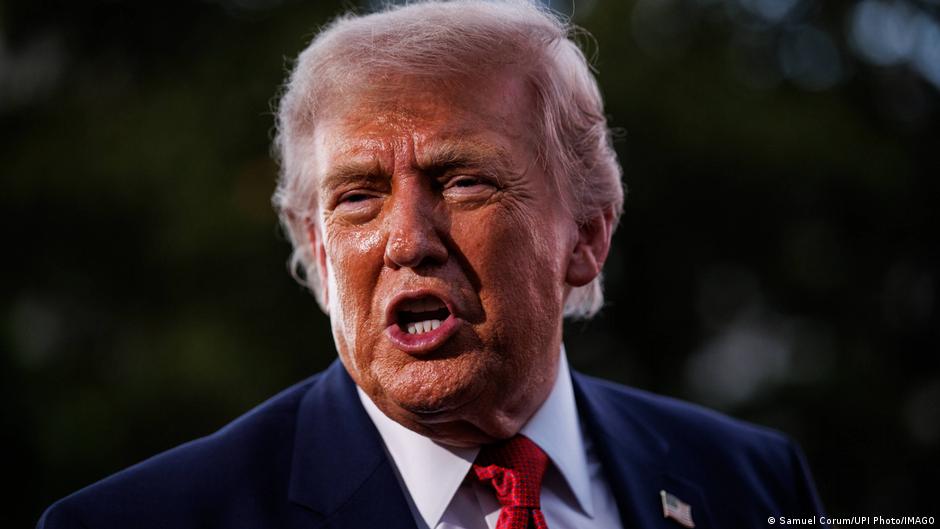
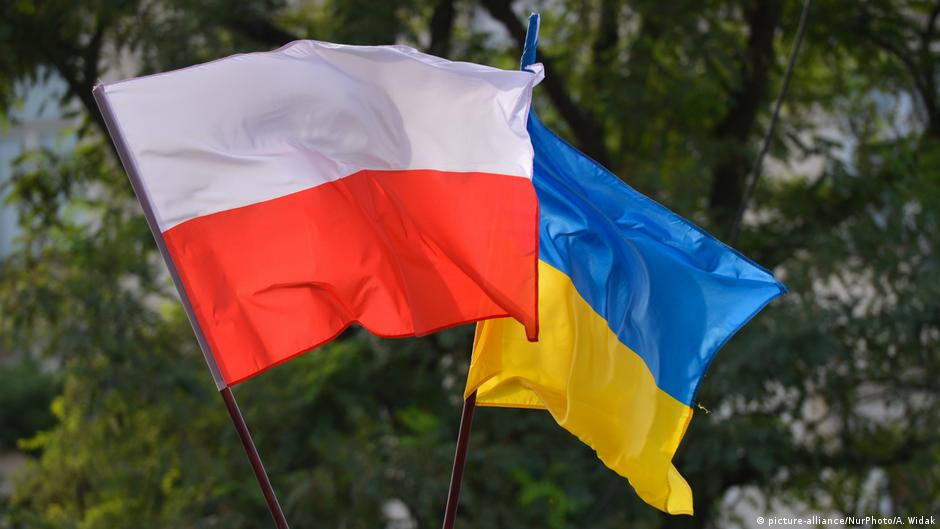
In a surprising development following the Pentagon's earlier decision to halt the deployment of 4,000 troops to Poland, former President Donald Trump declared the dispatch of an additional 5,000 U.S. military personnel to Poland. This announcement underscores a continued commitment to Poland's defense amidst evolving U.S. military strategies in Europe.
Strategic Context and Military Movements
Trump attributed this troop increase to strong diplomatic ties with the newly elected Polish President, Karol Nawrocki, whom he publicly supported. However, details remain unclear whether this contingent is entirely new or a reinstatement of the previously canceled 2nd Armored Brigade of the 1st Cavalry Division, initially planned to number around 4,000 soldiers.
Earlier in May, media outlets reported that the Pentagon's cancellation of the troop deployment aligned with Trump's broader strategy to reduce the U.S. military footprint in Europe. This decision reportedly surprised several military officials and provoked dissatisfaction among Polish military leadership, who learned of the changes through press reports rather than direct communication.
"Polish military officials are reportedly 'infuriated' about the lack of direct notification regarding the troop deployment cancellation," a source close to the Polish General Staff revealed.
Concurrently, the U.S. military withdrew 5,000 soldiers from Germany, a move influenced by criticism from German Chancellor Friedrich Merz concerning U.S. and Israeli actions in the Middle East. These troop realignments reflect a broader recalibration of U.S. defense commitments in Europe, aiming to balance strategic interests with addressing emerging global priorities.
Poland's Position and Future Military Cooperation
Despite indications of troop reductions, Polish officials have publicly denied any decrease in the number of American soldiers on Polish soil. Defense Minister Władysław Koziniak-Kamysz emphasized ongoing efforts to increase U.S. troop presence rather than diminish it.
Approximately 7,400 U.S. troops were stationed in Poland as of mid-May, out of roughly 100,000 American military personnel deployed across Europe. The European contingent includes more than 65,000 serving permanently, with the remainder on rotational assignments.
On May 19, the Pentagon announced plans to withdraw one of four U.S. brigade combat teams from Europe, aiming to reduce troop levels to those seen in 2021. Despite this, NATO's Supreme Allied Commander in Europe, U.S. Air Force Lieutenant General Alexus Grinkevich, assured that the troop drawdown would not impede NATO's efforts to bolster European defense capabilities.
He noted that the long-term strategy involves enhancing European military strength, enabling the United States to redeploy forces to other global theaters as needed.
Legislative Oversight and Constraints
U.S. Congressional oversight remains vigilant. Early in 2026, Congress enacted provisions in the annual defense budget law restricting reductions of U.S. forces in Europe below 76,000 personnel for more than 45 days without detailed justification submitted by the Secretary of Defense and the head of European Command (EUCOM).
This legislative framework ensures strategic transparency and aligns troop deployments with broader national security considerations, underscoring the importance of the European theater in U.S. defense planning.
Overall, the announcement of deploying additional U.S. troops to Poland highlights dynamic shifts in American military strategy, balancing alliance obligations and global security demands amid changing geopolitical landscapes.