European Allies and Ukraine Discuss Renewed Diplomatic Efforts to End the War
Ukrainian President Zelensky held a video conference with German, French, and UK leaders focusing on reactivating diplomacy and enhancing European involvement.
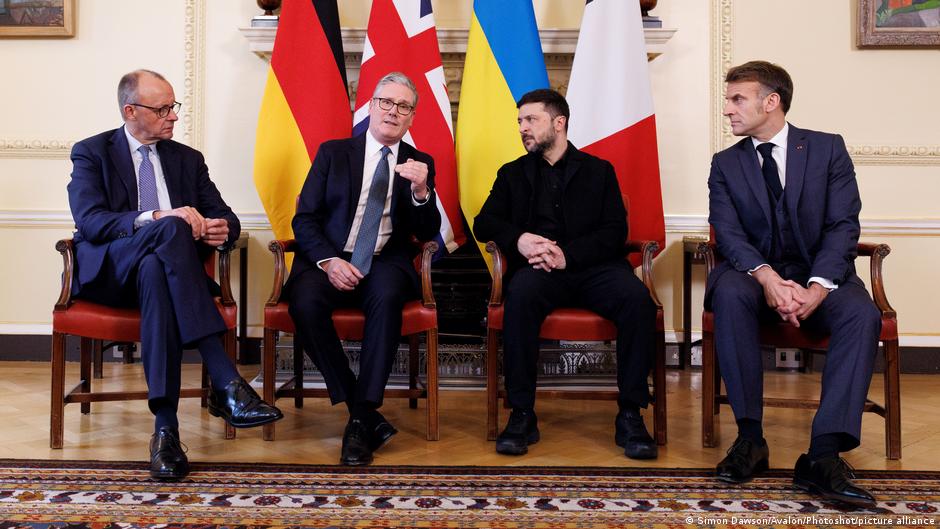
In a significant development for Ukraine's diplomatic strategy, Ukrainian President Volodymyr Zelensky convened a high-level video conference with Germany's Chancellor Friedrich Merz, France's President Emmanuel Macron, and UK Prime Minister Keir Starmer on May 22. The discussion centered on reinvigorating diplomatic efforts to end Russia's aggressive war against Ukraine and increasing Europe's role in the peace process.
Strategic Reassessment of Diplomatic Channels
This trilateral meeting marks the first engagement of its kind among these key European allies in several months. According to Zelensky, the leaders explored ways to "achieve the activation of diplomacy in the name of peace" with a clear emphasis on Europe's direct participation in the negotiation framework.
A press statement from the UK Prime Minister's office confirmed unified support for Ukraine's defensive efforts, which are set to be further strengthened in the coming months. It underscored the shared conviction that confronting Russian aggression remains critical for the security of Europe and the wider world.
Notably, this dialogue occurs amidst a shifting geopolitical landscape, with the United States, traditionally a key interlocutor between Kyiv and Moscow, increasingly distracted by escalating conflict involving Iran. European partners have yet to formally participate in direct negotiations mediated by Washington, signaling a potential strategic pivot.
"All partners note that Ukraine's position is significantly stronger—both on the battlefield and in foresight. This strength is substantial, and such pressure can drive effective diplomacy," Zelensky stated following the meeting.
President Zelensky highlighted that the European counterparts recognize Ukraine's enhanced strategic stance following recent Ukrainian Armed Forces operations targeting key Russian assets. He further revealed that intelligence sharing between national security teams from the four countries will intensify, particularly concerning Russia's plans involving Ukraine, Belarus, and other European fronts.
Looking forward, Zelensky announced an impending meeting of national security advisors from the involved countries to continue coordination efforts.
Challenges and Alternative Diplomatic Formats
Amid these developments, Ukrainian Foreign Minister Andriy Sybiha publicly stated that the current trilateral negotiation format involving Ukraine, the US, and Russia is approaching its limits. He observed that repetitive discussions often yield diminishing returns, advocating for fresh impetus in peace efforts.
Sybiha suggested that incorporating European Union representatives into the negotiation process could revitalize talks. Another potential avenue he highlighted is a summit-level meeting involving the heads of state of Ukraine, Russia, and the United States—a proposal Kyiv has consistently supported.
Supporting this perspective, US Secretary of State Marco Rubio commented on the stagnation of ceasefire negotiations, emphasizing Washington's willingness to remain engaged but cautioning against unproductive, endless meeting cycles.
The last round of trilateral talks took place in Geneva in February 2026, shortly before the US and Israel's military escalation against Iran, an event that has redirected American foreign policy focus.
These recent discussions reflect a broader strategic reassessment among Ukraine's key allies, balancing military support with renewed diplomatic outreach to bring an end to the ongoing conflict.