Latvian President Urges NATO to Prepare for Potential Escalation with Russia Amid Defense Capability Concerns
Edgars Rinkēvičs highlights NATO’s current military capacity gaps and stresses need for proportional response to Russian aggression.
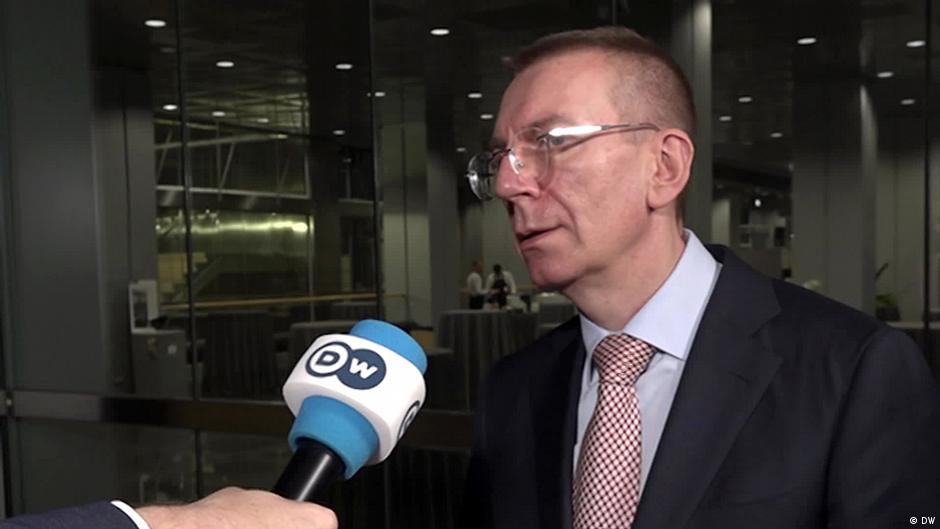
In a recent interview, Latvian President Edgars Rinkēvičs warned that NATO must be prepared for the possibility of direct military confrontation with Russia as the conflict in Ukraine escalates. Emphasizing that European defense spending has yet to translate into sufficient combat power, Rinkēvičs urged alliance members to send a clear message to Moscow about the consequences of aggression.
Strategic Imperatives for NATO Amid Rising Tensions
Speaking ahead of the upcoming NATO summit in Ankara, Rinkēvičs underscored that the alliance must be ready for scenarios in which Russia intensifies the war and openly challenges NATO forces. "If Russia challenges NATO, the alliance's response will be proportional," he stated, highlighting the critical importance of deterrence through credible military capabilities.
Rinkēvičs also noted the indispensability of European involvement in achieving peace in Ukraine. He expressed strong support for Latvia’s integration into the European Union, framing it as a strategic move that enhances the nation’s security interests.
Despite NATO members agreeing last year to increase defense budgets to 5% of GDP, Rinkēvičs expressed concern that this target alone is insufficient. The core challenge lies not just in financial outlays but in the effective translation of funds into tangible military assets such as weapons systems, missiles, and equipment.
"Money is vital, but what truly matters is possessing arms, missiles, and equipment that can be procured with those budgets," he explained. This perspective highlights the need for NATO members to prioritize capability development and modernization alongside budget increases.
Rinkēvičs further identified the United States as an indispensable partner in European defense, regardless of political rhetoric from some European politicians. This acknowledgment points to the ongoing reliance of NATO on US military leadership and resources to maintain strategic stability.
Regional Cooperation Reinforces Collective Security
On July 3, Rinkēvičs met in Berlin with German Chancellor Friedrich Merz alongside Estonian Prime Minister Kaja Kallas and Lithuanian President Gitanas Nausėda. The meeting focused on bolstering Baltic security ahead of the NATO summit. Chancellor Merz emphasized that "the security of the Baltics is also the security of Germany," reinforcing the interconnected nature of European defense.
"The alliance's response will be proportional if Russia challenges NATO," said Latvian President Edgars Rinkēvičs, emphasizing the importance of credible deterrence.
This trilateral engagement underscores the strategic alignment among Baltic states and Germany, reflecting their shared concerns about Russia’s intentions and the necessity for cohesive defense planning.
As NATO prepares for its summit, Rinkēvičs's remarks highlight critical challenges in balancing defense spending commitments with the operational readiness and modernization of military forces. The strategic dialogue among member states will likely focus on how to effectively enhance NATO’s deterrence posture while managing the complex political dynamics within the alliance.
For businesses and defense contractors, the message is clear: there is a growing demand for advanced military hardware and technology to fulfill NATO’s evolving defense requirements. This environment creates both challenges and opportunities within the defense sector, with a premium on innovation and rapid capability development.