Russian Military Strikes on Sumy and Zaporizhzhia Impact Civilians and Infrastructure
Massive drone and air missile attacks by Russian forces caused civilian casualties and damage to residential and industrial areas in Sumy and Zaporizhzhia regions.
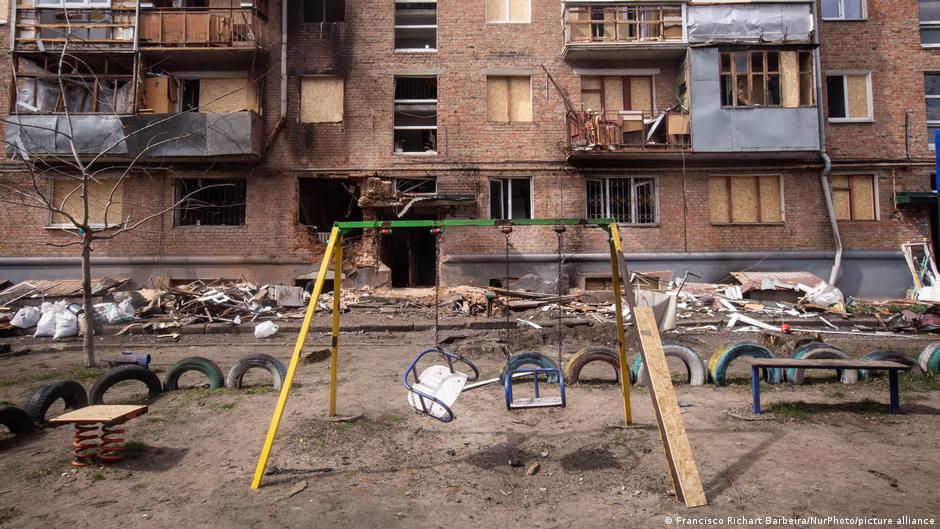
On the evening of July 3, Russian military forces launched intense drone and air missile strikes on the Ukrainian cities of Sumy and Zaporizhzhia, resulting in multiple civilian casualties and significant damage to key urban and industrial infrastructure.
Strategic Impact and Civilian Toll
According to regional military administration officials, the attacks on Sumy targeted the city center and a residential sector within the Kovpakovsky district. The assault resulted in the deaths of four civilians, including a five-year-old girl and her mother, as well as serious injuries to 27 others, seven of whom were children. One of the injured later succumbed to wounds in hospital, underscoring the severity of the strikes.
“In the epicenter of the strike were a multi-storey residential building, a store, and a road, all places populated at the time,” noted Oleg Grigorov, head of the Sumy Regional Military Administration.
The attack’s focus on high-density civilian areas highlights the risks to non-combatants amid ongoing hostilities, raising critical questions about the operational strategy and targeting decisions made by Russian forces.
Simultaneously, Zaporizhzhia experienced a similar pattern of aggression. Local administration head Ivan Fedorov confirmed that missile and drone attacks struck both residential and non-residential buildings, in addition to an industrial enterprise. The strikes led to two fatalities and injured 21 people, further emphasizing the broad scope of civilian harm across multiple urban centers.
Implications for Regional Stability and Business Environment
From a strategic and economic perspective, these military actions have immediate and long-term implications for the regional business landscape. The targeting of industrial facilities in Zaporizhzhia threatens production continuity and supply chains, potentially disrupting local and national economic activities. Damage to residential areas may induce population displacement, affecting labor availability and local markets.
Moreover, the escalation of military operations in these regions contributes to increased uncertainty, which can deter investment and complicate corporate risk assessments. Businesses operating in or near conflict zones must navigate heightened security risks and asset protection challenges, which may lead to strategic shifts including relocation, operational downsizing, or increased insurance costs.
As the conflict endures, corporate decision-makers and investors will need to monitor developments closely and adapt strategies to mitigate risks arising from the deteriorating security situation and its cascading effects on regional infrastructure and human capital.