US Considers Redeployment of Troops from Germany to Poland Amid Strategic Shifts
US President Trump confirms Poland's readiness to host American troops withdrawn from Germany, signaling potential realignment in NATO military posture.
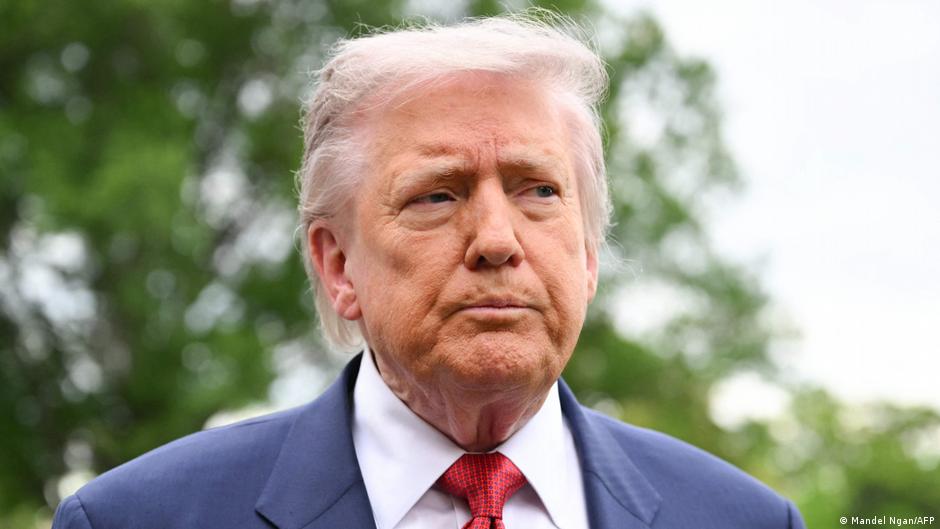
In a development with significant implications for US and NATO military strategy in Europe, US President Donald Trump acknowledged the possibility of relocating a portion of American troops currently stationed in Germany to Poland. This announcement follows recent US decisions to reduce its military footprint in Germany and reflects evolving geopolitical and defense priorities.
Strategic Rationale Behind Troop Movements
President Trump responded to inquiries on May 8 by confirming that Poland's offer to host US forces was well-received. “Poland would like that. We have great relations with Poland. I have a great relationship with President Karol Nawrocki,” Trump stated, referencing the Polish president's expression of readiness to accommodate American troops. “So that’s possible,” he added, signaling openness to such a redeployment.
This potential troop realignment follows US Defense Secretary Pete Hegseth’s directive to withdraw approximately 5,000 US military personnel from Germany within a year. The decision is linked to strained relations between Washington and Berlin, including criticisms of Germany’s stance on Middle Eastern conflicts and disagreements over US-led deployments.
“We have great relations with Poland. I have a great relationship with President Karol Nawrocki. So that’s possible.” – US President Donald Trump
German Chancellor Friedrich Merz’s public criticism of the US and Israel’s military actions against Iran has further complicated transatlantic defense cooperation. In turn, the US declined to station a missile battalion equipped with Tomahawk cruise missiles in Germany, citing geopolitical disagreements.
Current US Military Presence and Infrastructure in Europe
As of December 2025, approximately 68,000 US troops were stationed across European bases, with Germany hosting the largest contingent of about 36,400 soldiers and officers. The US operates around 20 military installations in Germany, primarily concentrated in the southern and southwestern regions.
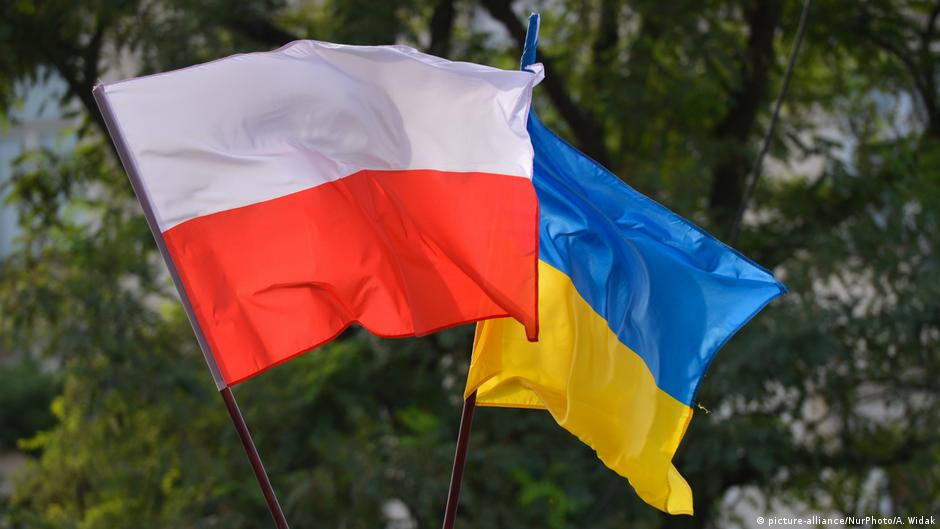
Poland’s invitation to host some of the withdrawing forces underscores its strategic ambition to enhance its defense posture and deepen military ties with the United States. President Karol Nawrocki, during a visit to Lithuania earlier this month, emphasized Poland’s readiness by highlighting the necessary infrastructure to support additional US forces.
Lithuania has similarly expressed willingness to accommodate more American troops, currently hosting over 1,000 US military personnel. Poland already shelters approximately 10,000 US troops, making it a significant hub for NATO’s eastern flank.
Business and Strategic Implications
This redeployment carries substantial consequences for defense contractors, local economies, and multinational corporations operating in the European security sector. A shift in US troop locations may influence procurement contracts, logistics networks, and regional investment flows, particularly in Poland and neighboring Baltic states.
Moreover, this strategic repositioning may recalibrate NATO’s deterrence posture vis-à-vis Russia, potentially altering the competitive landscape for defense firms and prompting new management decisions within US and allied military-industrial complexes. Companies focused on infrastructure development, military technology, and logistical support in Poland are likely to benefit from increased demand.
Looking ahead, stakeholders in defense and geopolitical risk analysis will closely monitor how this troop movement unfolds, given its potential to reshape transatlantic relations and military cooperation frameworks.