European Union Delays Appointment of Negotiator for Ukraine Conflict Amid Strategic Reassessment
The EU opts to refine its negotiation strategy with Russia before appointing a mediator for Ukraine peace talks.
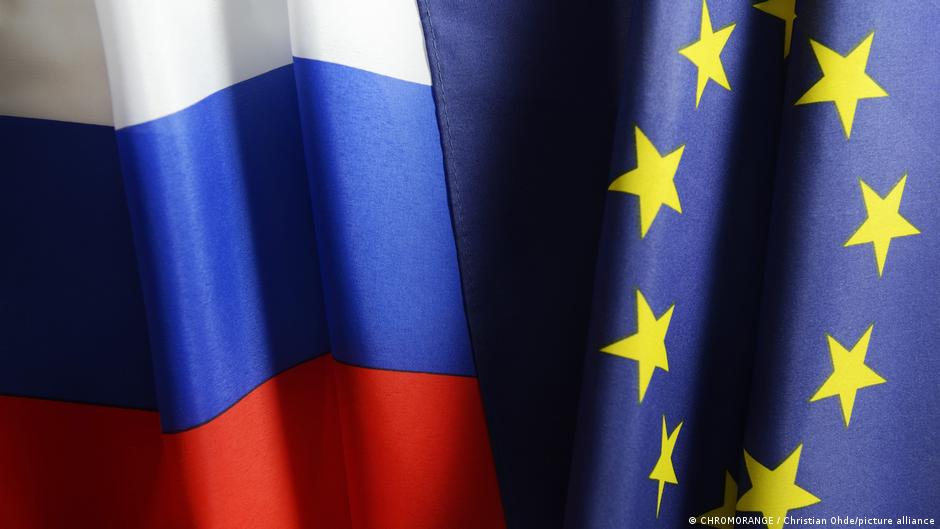
The European Union (EU) has decided against appointing a representative to negotiate an end to the war in Ukraine at this stage. This decision reflects a strategic pause as EU officials aim to clarify their negotiating position before engaging directly with Russia.
Strategic Considerations and Internal Debates
According to senior EU officials, both the EU's High Representative for Foreign Affairs and Security Policy, as well as leading member states including Germany, currently deem it premature to designate a specific negotiator. One EU official explained, "We need first to agree on what exactly we want to discuss with Russia." This statement underscores the EU’s focus on developing a clear and unified agenda before initiating formal talks.
Recent discussions within Brussels emphasize the necessity of a well-defined negotiation framework, reflecting the complex geopolitical and economic landscape surrounding the conflict. The EU intends to leverage ongoing sanctions as a tool to bring Russian President Vladimir Putin to the negotiation table, maintaining pressure through financial and industrial constraints.
Sanctions as a Lever in Negotiations
The European Commission, along with the European External Action Service (EEAS), is preparing to present the 21st sanctions package against Russia. Scheduled for closed consultations on May 28, this package is expected to target Russia's financial sector and suppliers to its defense industry. The continued emphasis on sanctions illustrates the EU’s strategy of combining economic pressure with diplomatic efforts.
"We need first to agree on what exactly we want to discuss with Russia." — EU Official
Potential Negotiators and Political Dynamics
There has been considerable debate within the EU and European states regarding the appointment of a special envoy for potential negotiations with Russia. High-profile figures mentioned as candidates include former European Central Bank President Mario Draghi, former German Chancellor Angela Merkel, and Finnish President Sauli Niinistö.
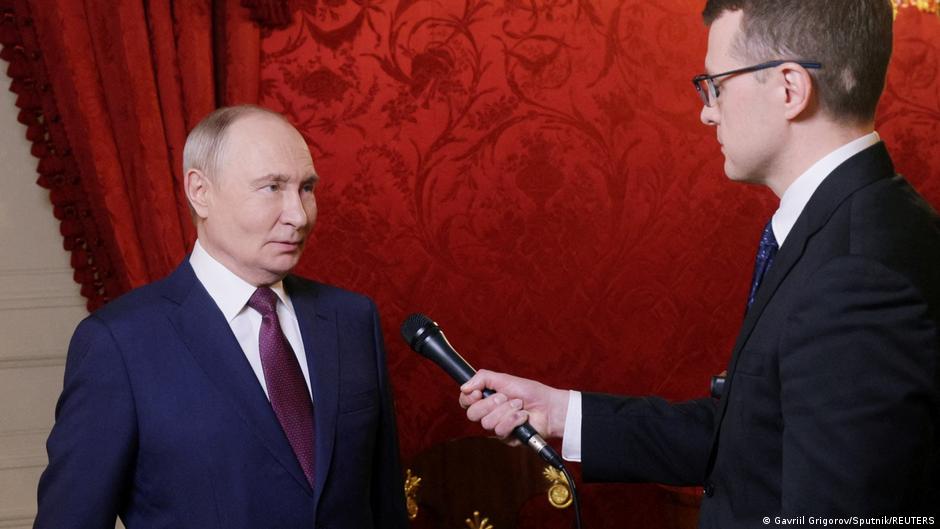
Russian President Vladimir Putin has publicly expressed a preference for former German Chancellor Gerhard Schröder as the EU negotiator. However, Schröder’s close ties to Putin and his current political standing have led both the German government and EU representatives to exclude him from consideration. German Chancellor Friedrich Merz emphasized, "We Europeans decide ourselves who speaks on our behalf. No one else." This statement highlights the EU's insistence on maintaining autonomy over its diplomatic representation.
Implications for EU-Russia Relations and Corporate Interests
The EU’s cautious approach to appointing a negotiator and its reliance on sanctions reflect broader strategic calculations impacting the European corporate and financial sectors. Sanctions targeting Russian financial institutions and defense suppliers may affect European companies engaged in international trade and investment. Moreover, the prolonged conflict and uncertain negotiation timeline pose risks for multinational corporations operating in or with Russia and Ukraine.
Overall, the EU’s decision to delay appointing a negotiator underscores the complexities of balancing diplomatic initiatives with economic measures in a highly volatile geopolitical environment. It also signals the EU’s intent to present a united front with a clear mandate before engaging in high-stakes negotiations with Russia.