EU Foreign Policy Chief Warns Russia, China, and US Seek to Undermine European Union Unity
Kaja Kallas highlights geopolitical strategies aimed at fragmenting the EU to weaken its global influence.
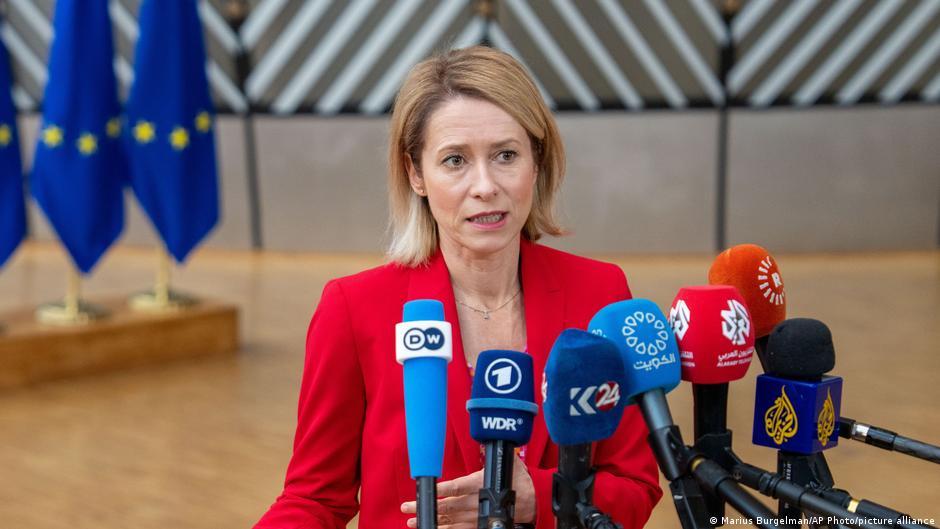
In a recent address at the Lennart Meri Conference in Tallinn, Kaja Kallas, the European Union's High Representative for Foreign Affairs and Security Policy, issued a stark warning about the geopolitical tactics employed by Russia, China, and the United States. According to Kallas, these global powers are actively pursuing a divide-and-conquer approach aimed at undermining the cohesion and strength of the European Union.
Geopolitical Fragmentation as a Strategic Threat
Kallas emphasized the importance of unity within the EU, stating, "If we hold together and act collectively, we are strong." She underscored that Russia, China, and the US prefer a fragmented Europe because, as she explained, "Together we are much stronger."
"Why do these powers want to destroy the European Union? Because together we are equal forces, we are strong." — Kaja Kallas
The EU's High Representative pointed out that dealing with individual European countries is strategically simpler for these powers, as these countries often lack the political weight or resources to act independently on the global stage. In contrast, the EU as a unified bloc wields significant diplomatic and economic influence, making it a formidable player in international affairs.
She expressed concern over the ongoing bilateral agreements between individual EU member states and Washington, which she views as potentially weakening the bloc's unity. "I am very worried because sometimes I see some countries going down that path. Division really works," Kallas remarked.
This analysis gains additional context considering the recent political dynamics in the EU–US relationship. Since the beginning of Donald Trump's second term, various European states have sought to maintain independent lines of communication with Washington. Italy's Prime Minister Giorgia Meloni, for example, positioned herself as a potential intermediary between Europe and the US; however, this approach has faced criticism and encountered significant setbacks.
Rejection of Russian Mediation Proposals
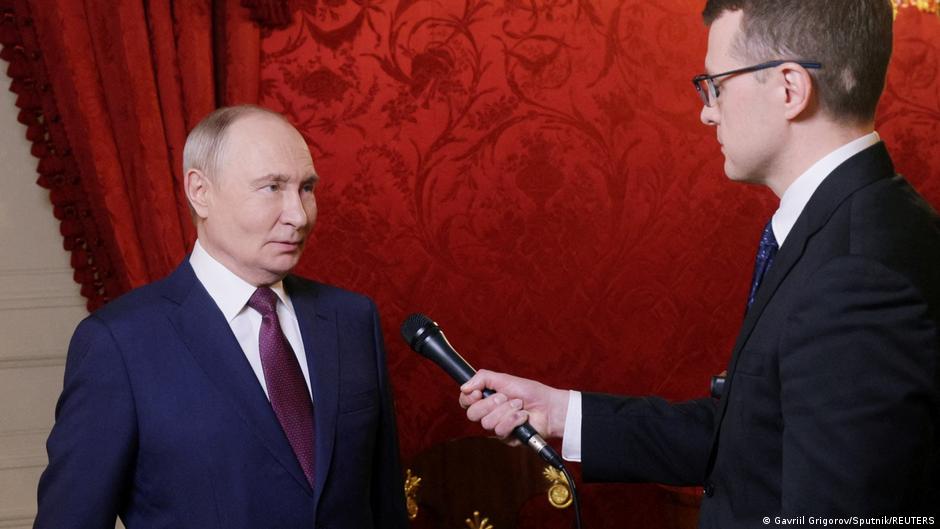
In a related development, Kallas firmly rejected a proposal by Russian President Vladimir Putin to appoint former German Chancellor Gerhard Schröder as the EU's representative in peace negotiations with Russia. She stated that allowing Russia to select a negotiator on behalf of the EU would be unwise and counterproductive. This statement was made ahead of a meeting of EU foreign ministers in Brussels in early May.
Her stance reflects broader concerns within the EU about maintaining strategic autonomy and preventing external powers from exploiting divisions within the Union.
Implications for Corporate Strategy and EU Business Environment
From a business and corporate strategy perspective, Kallas' remarks highlight the critical importance of EU unity in maintaining a stable and predictable regulatory and geopolitical environment. Fragmentation within the EU could lead to inconsistent policies, regulatory arbitrage, and increased geopolitical risk, which in turn complicates long-term corporate planning, cross-border investments, and mergers and acquisitions.
For international corporations operating within or with the EU, the bloc's cohesion is a key factor in assessing market stability and competitive positioning. The external pressures from Russia, China, and the US to weaken the EU underscore the necessity for corporate leaders and policymakers to coordinate efforts to preserve this unity—ensuring the EU remains a strong and influential economic and political actor on the world stage.