Ukraine’s Zelensky Engages Trump Envoys to Boost Diplomatic Efforts Amid Ongoing Conflict
Ukrainian president holds constructive talks with Trump’s special envoys to accelerate diplomatic resolution and discuss strategic support.
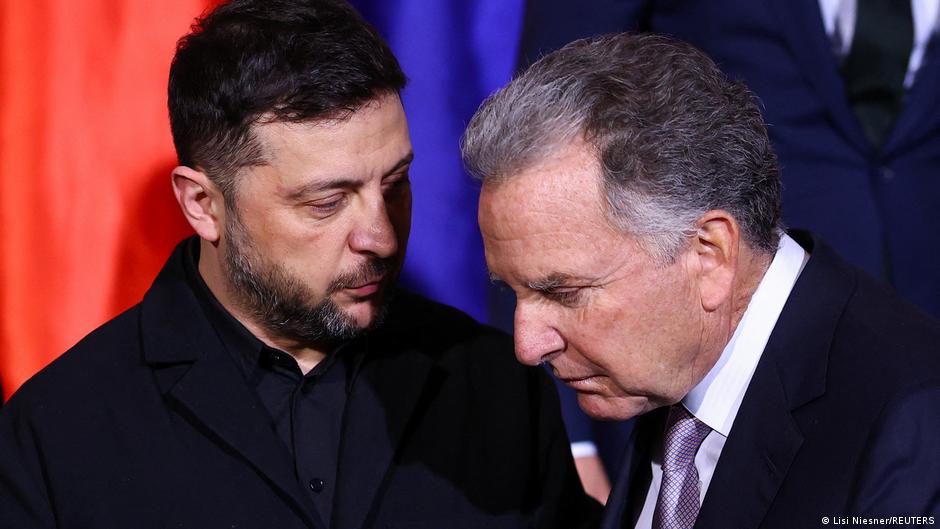
Ukrainian President Volodymyr Zelensky reported a "very positive" discussion with special envoys from former U.S. President Donald Trump, Steve Witkoff and Jared Kushner, emphasizing their readiness to actively contribute in the coming weeks to end the Russian invasion of Ukraine.
During a stopover in Chișinău airport on June 8, while returning from high-level talks in London, Zelensky conveyed detailed intelligence insights about Moscow's intentions to the envoys. The Ukrainian president expressed gratitude for the respect shown towards Ukraine's position and the acknowledgment of its resilience.
Strategic Diplomatic Engagements Amidst Conflict
Zelensky's engagement with Witkoff and Kushner forms part of a broader diplomatic strategy to consolidate international support and expedite conflict resolution. Earlier in London, Zelensky met with Germany's Chancellor Friedrich Merz, UK Prime Minister Keir Starmer, and French President Emmanuel Macron. Together, these leaders laid out five key conditions aimed at securing a durable peace in Ukraine.
The summit also focused on intensifying economic pressure on Russia, augmenting military assistance to Ukraine, and collaborating on the production of critical missile systems. These missiles are essential for bolstering Ukraine’s air defense capabilities and enabling precision long-range strikes.
"Very positive conversation. Grateful for their readiness to work actively in the coming weeks to give new impetus to diplomacy for ending Russia’s war against Ukraine," Zelensky wrote on social media platform X.
This multi-pronged diplomatic approach reflects Ukraine’s strategic management of its international alliances, balancing immediate military needs with long-term political negotiations.
Responses and Challenges in Negotiation
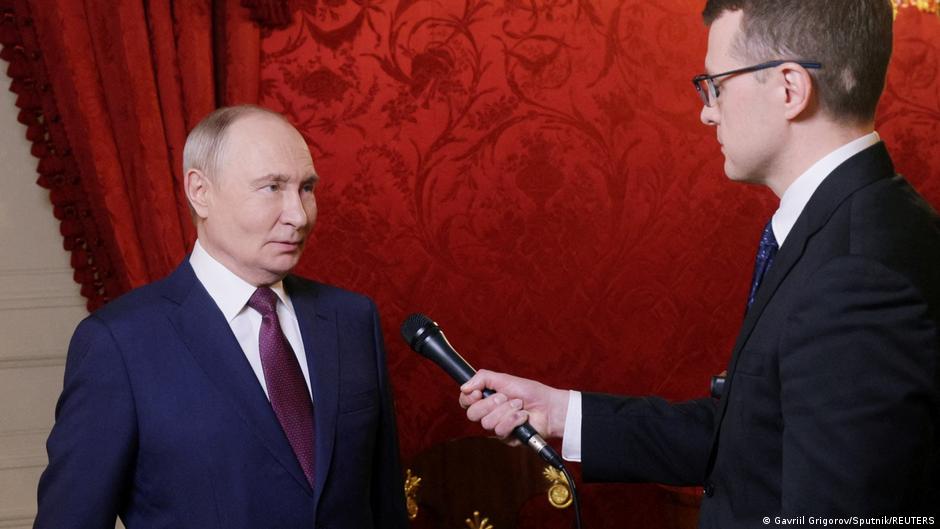
On June 4, Zelensky published an open letter to Russian President Vladimir Putin, proposing to end hostilities and setting a clear date for their personal meeting. The letter invited other key players, including European nations and the United States, to join the bilateral process.
Putin’s response, issued swiftly the next day, expressed skepticism about the meeting's utility, criticizing Zelensky's letter as containing "elements of rudeness" and "obstacles to a potential meeting." He reiterated that hostilities would only cease once Russia's objectives were achieved, urging Russian forces to continue their operations.
These contrasting public statements underscore the complex competitive landscape and political calculus shaping conflict resolution efforts, highlighting the challenges Ukraine faces as it seeks to navigate diplomacy while sustaining defensive operations.
Implications for Corporate and Geopolitical Strategy
For corporate actors and investors, the evolving diplomatic interactions and the potential acceleration of conflict resolution bear significant implications. Enhanced military cooperation and economic sanctions intensification could reshape supply chains, energy markets, and regional investment climates.
Moreover, Ukraine’s efforts to engage diverse international stakeholders—including former U.S. administration representatives—illustrate a strategic pivot towards leveraging multifaceted diplomatic channels. This approach may influence future governance structures, international aid flows, and geopolitical risk assessments.
As the conflict and its diplomacy unfold, monitoring leadership decisions, alliance dynamics, and negotiation trajectories will remain critical for business leaders and policymakers aiming to anticipate shifts in the regional and global economic landscape.