UAE Faces Renewed Iranian Missile and Drone Attacks Amid Regional Tensions
Iran launches missile and drone strikes on UAE for the first time since US-Iran ceasefire, prompting calls for de-escalation and strategic reassessment.
The United Arab Emirates (UAE) has reported a renewed wave of missile and drone attacks launched by Iran, marking the first such aggression since the ceasefire agreement between the United States and Iran was established earlier this year. The escalation raises critical questions about regional security, corporate risk exposure, and the strategic calculations of energy and shipping companies operating in the Gulf.
Details of the Attacks and Immediate Impact
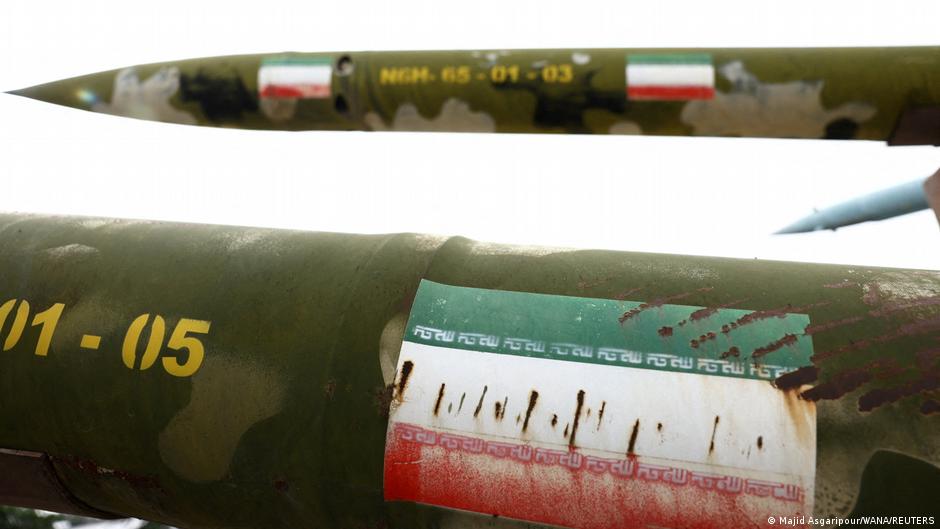
On May 4th, UAE air defense forces intercepted 19 incoming projectiles launched from Iranian territory, comprising 12 ballistic missiles, three cruise missiles, and four unmanned aerial vehicles (UAVs). The Ministry of Defense of the UAE confirmed these figures via social media, underscoring the scale of the attack aimed particularly at the strategic oil industrial complex in Fujairah.
The strike caused a fire at the Fujairah oil facility and resulted in injuries to three Indian nationals who were hospitalized. Subsequently, schools in the UAE shifted to online learning from May 5th to 8th as a precautionary measure against further attacks.
The UAE government has unequivocally condemned the assaults, terming them a "dangerous escalation," and asserted its right to respond with appropriate countermeasures. This development signals potential volatility in the Gulf, where multinational corporations maintain critical operations.
"The UAE leaves open the full and lawful right to respond to these attacks," said the Ministry of Foreign Affairs.
Regional and International Responses
While Iranian state media cited a high-ranking military official denying any plans to attack the UAE, the events belie an underlying strategic message from Tehran. The neighbouring Sultanate of Oman also reported damage and injuries from a related strike near the UAE border, highlighting the wider regional ripple effects.
Former U.S. President Donald Trump claimed that Iran also targeted a South Korean vessel in the strategically vital Strait of Hormuz, a critical maritime chokepoint for global oil exports. The U.S. military reportedly neutralized seven Iranian boats in response, signaling a potential escalation in military engagement.
In anticipation of further risks to maritime traffic, the U.S. announced the "Project Freedom" operation aimed at escorting vessels through the Strait of Hormuz to ensure navigational safety. Iran has warned that such actions would breach the ceasefire terms agreed upon on April 8, potentially undermining progress toward regional stability.
German Chancellor Friedrich Merz condemned the Iranian attacks and voiced solidarity with the UAE. Merz emphasized that Iran must return to diplomatic negotiations and cease to hold the region hostage through military threats. His statements underscore the concern among European stakeholders about disruption to vital energy supply chains and the broader geopolitical order.
Business and Strategic Implications
This resurgence of hostilities presents multiple challenges for corporate entities, particularly those in the energy, shipping, and insurance sectors. The UAE, a major global oil hub, faces heightened risks of supply chain interruptions, increased insurance premiums for shipping companies, and potential reevaluation of investment security in the Gulf region.
Energy companies with assets in Fujairah and surrounding areas must now reassess operational continuity plans and risk mitigation strategies. The strikes also raise questions about the resilience of international maritime routes and the effectiveness of multinational security cooperation.
From a management perspective, executives of firms operating in or near conflict zones must balance between safeguarding assets and workforce welfare, while maintaining market access and investor confidence. The unfolding situation calls for agile decision-making and enhanced engagement with policymakers to navigate an increasingly complex regional landscape.
As tensions persist, the global business community will closely monitor the diplomatic responses and security developments, weighing the long-term implications for trade flows and regional stability.