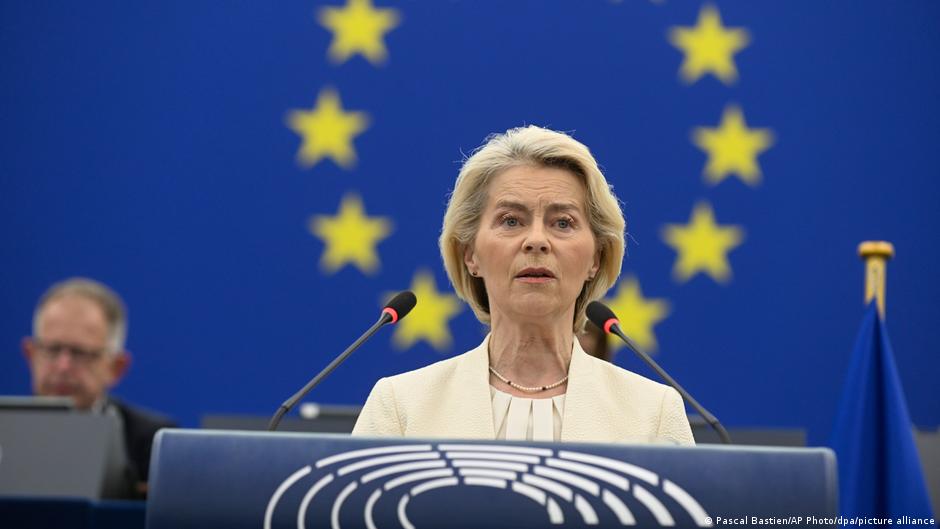
EU Drone and Missile Funding Signals Deeper Strategic Commitment to Kyiv
The EU plans new drone and missile funding for Ukraine as leaders discuss financing, accession talks and long-term support strategy.

The EU plans new drone and missile funding for Ukraine as leaders discuss financing, accession talks and long-term support strategy.

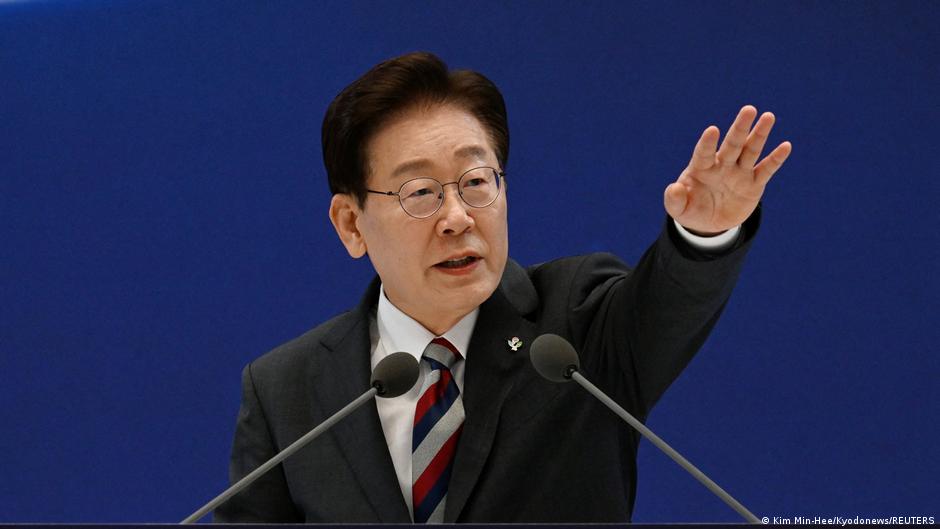
A prisoner-transfer confidentiality dispute with Ukraine is testing South Korea’s diplomacy, defense posture and leverage with Western partners.

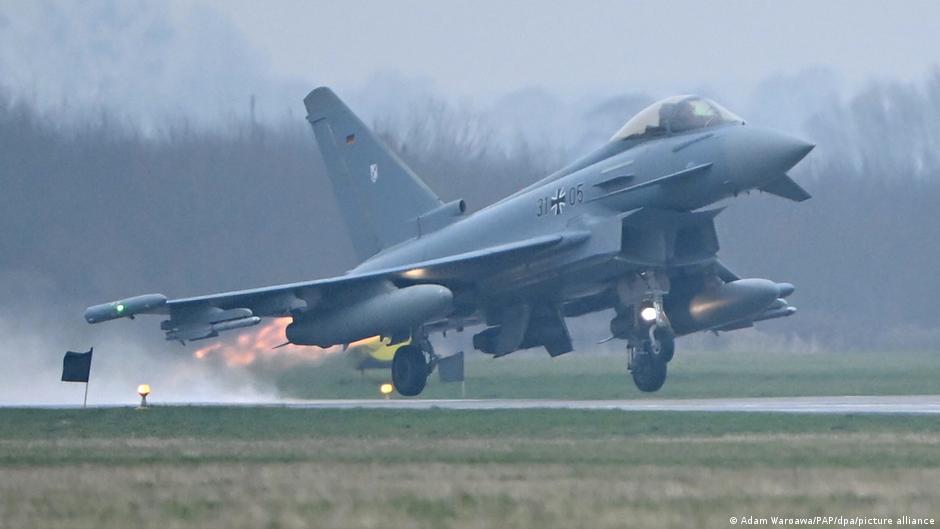
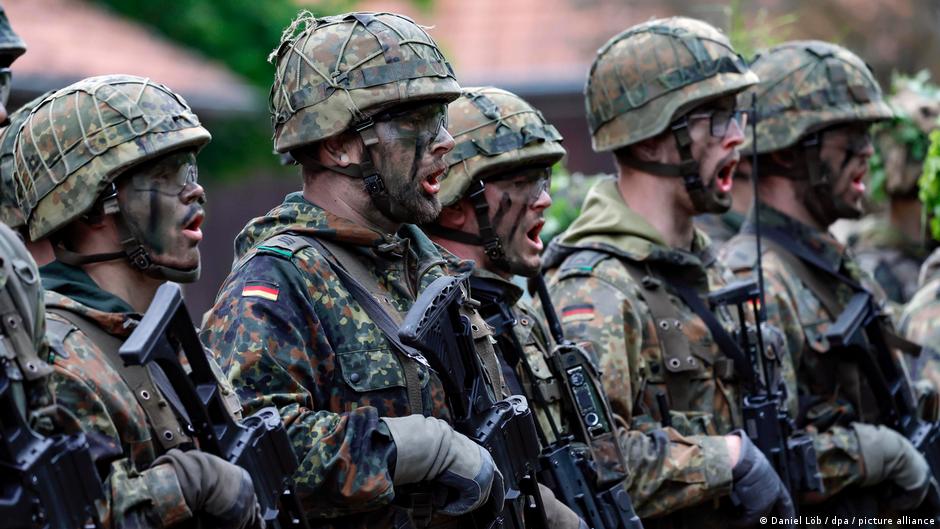
Germany’s Eurofighter deployment to Latvia highlights how Baltic security needs are reshaping NATO readiness and Europe’s defense market.

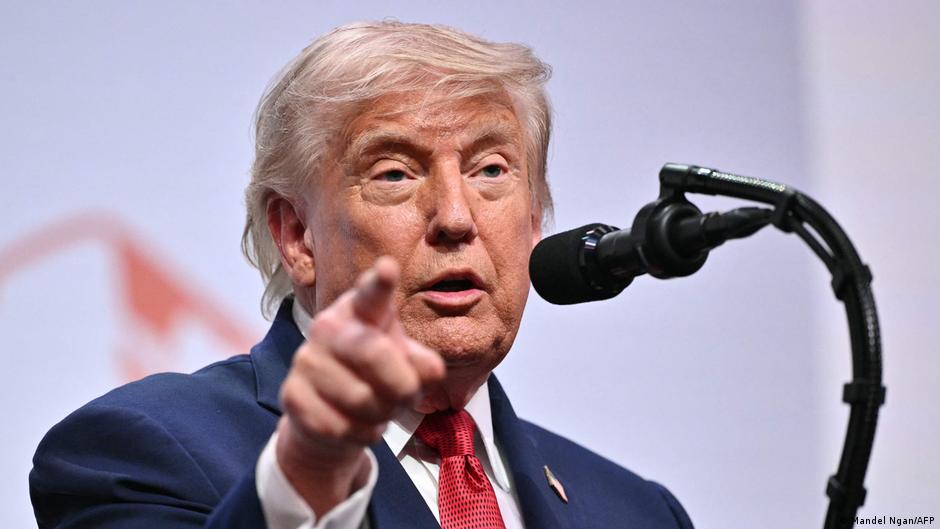
Trump warned the EU could face very high tariffs or a trade halt if Brussels deepens its proposed partnership with Canada.

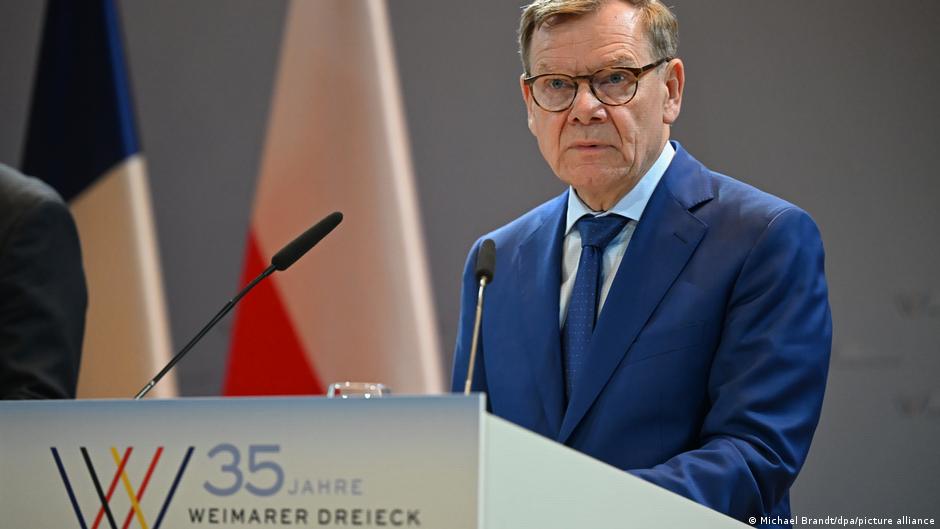
Germany’s foreign minister says support for Ukraine should also create procurement opportunities for German defense manufacturers.

Russia is reportedly orchestrating covert sabotage on European defense plants using criminal networks, testing NATO's response limits without triggering collective defense actions.

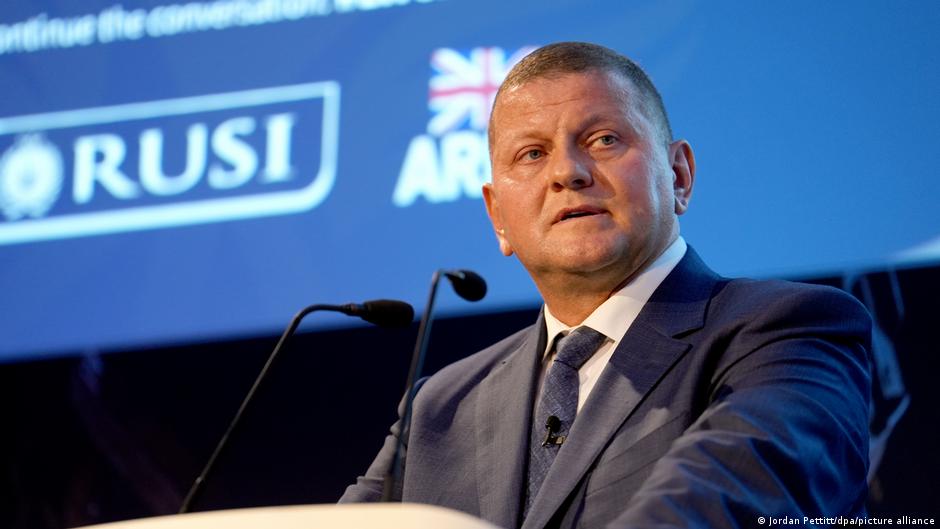
Ukraine’s former military chief Valeriy Zaluzhny declares NATO membership unfeasible and urges focus on emerging defense alliances like the Joint Expeditionary Force.

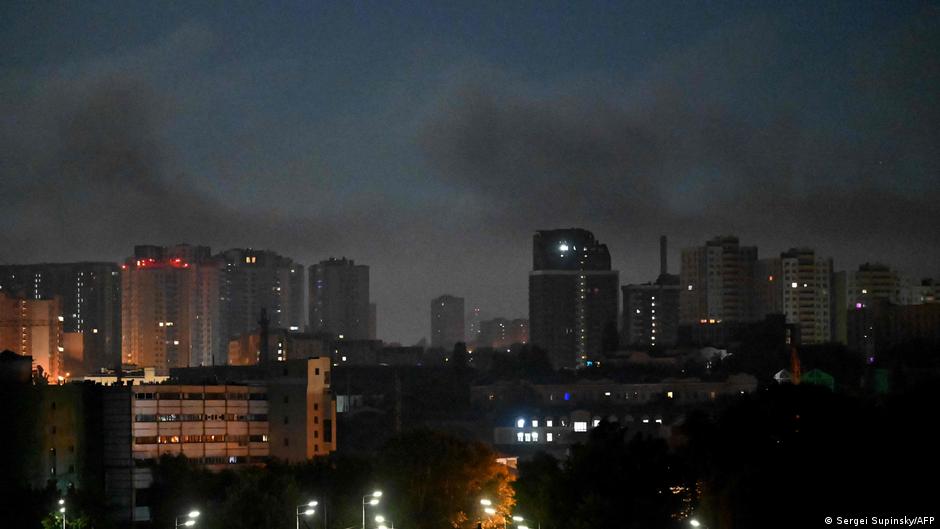
Russian missile and drone strikes targeted multiple Ukrainian cities on July 30, causing civilian casualties and damaging infrastructure amid ongoing conflict.

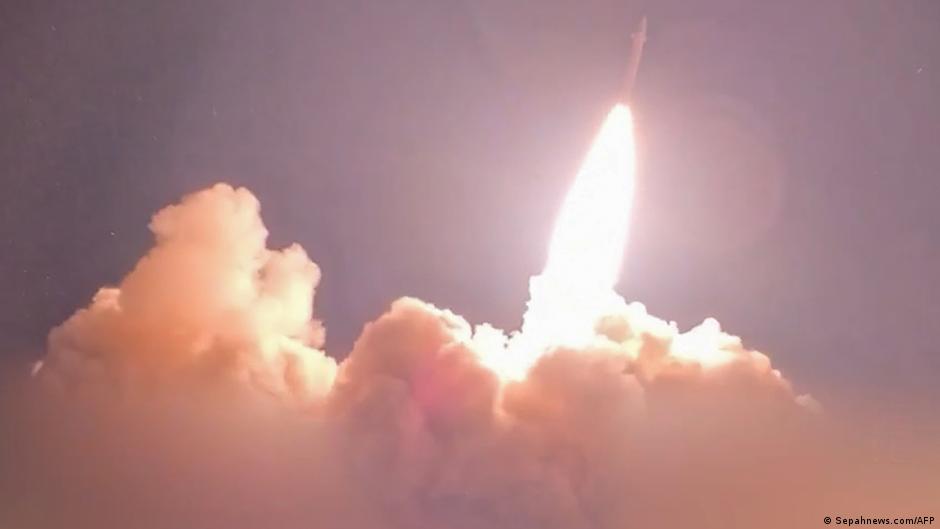
The US intercepted Iranian ballistic missiles targeting American forces, maintaining high readiness amid escalating Middle East tensions after recent airstrikes and strategic delays.

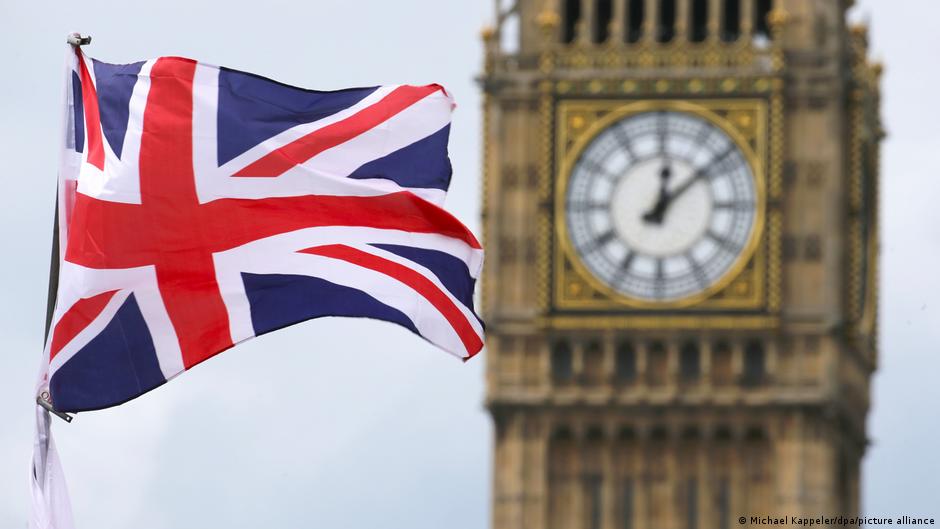
The UK will transfer intellectual property rights for the Stone Cloak electronic warfare system to Ukraine, enabling domestic production and strengthening Kyiv’s defense capabilities.

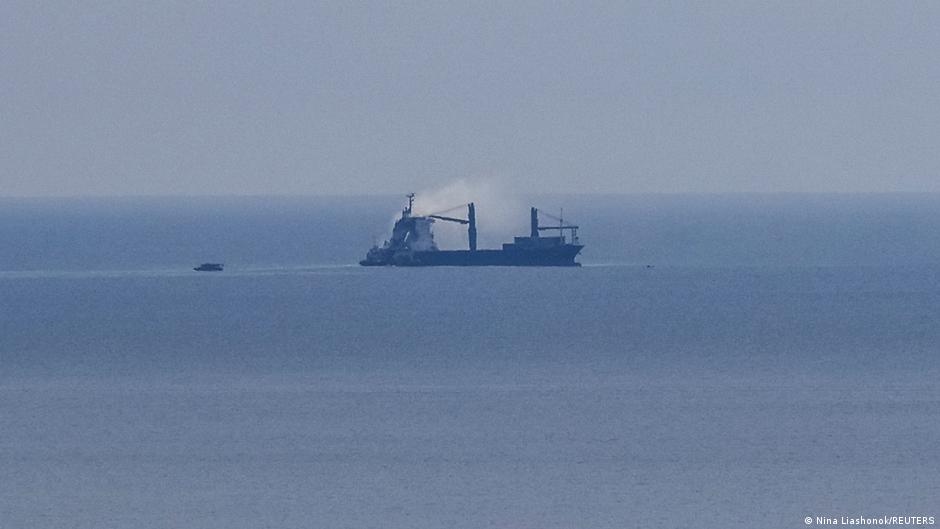
Ukraine seeks an urgent UN Security Council meeting after Russia's attacks on Black Sea commercial vessels threaten global food security and trade routes.

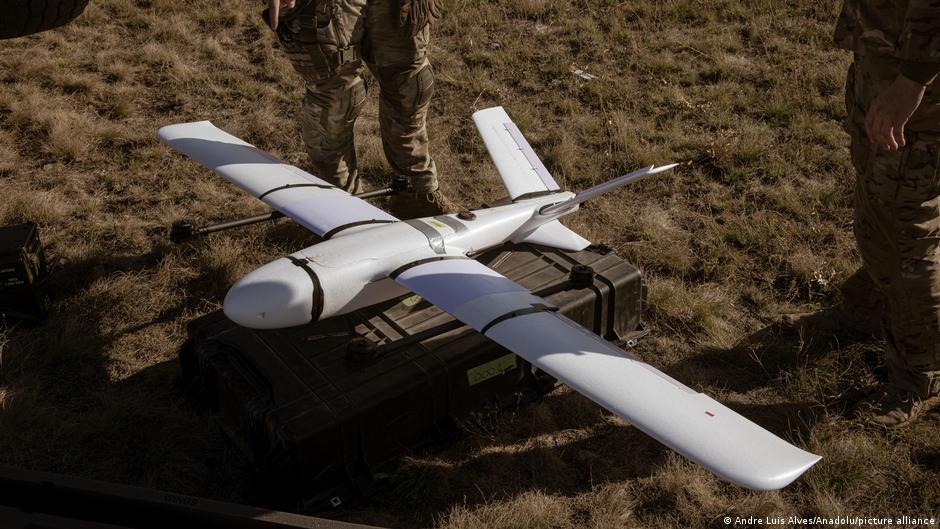
CIA director reports that AI-powered drone warfare has reduced Russian conscript survival time in Ukraine to 20-30 minutes, drastically shifting military casualty ratios.

Germany announces a record €124.7 billion defense budget for 2026, marking a significant increase amid NATO’s evolving military spending landscape and U.S. pressure.

In June 2024, Russia reduced drone and missile attacks on Ukraine amid potential supply and production challenges, while Ukraine intensified strikes on Russian fuel and defense infrastructure.

Finland removes its ban on nuclear weapons import and storage, aligning its defense laws with NATO as it responds to regional security challenges posed by Russia.

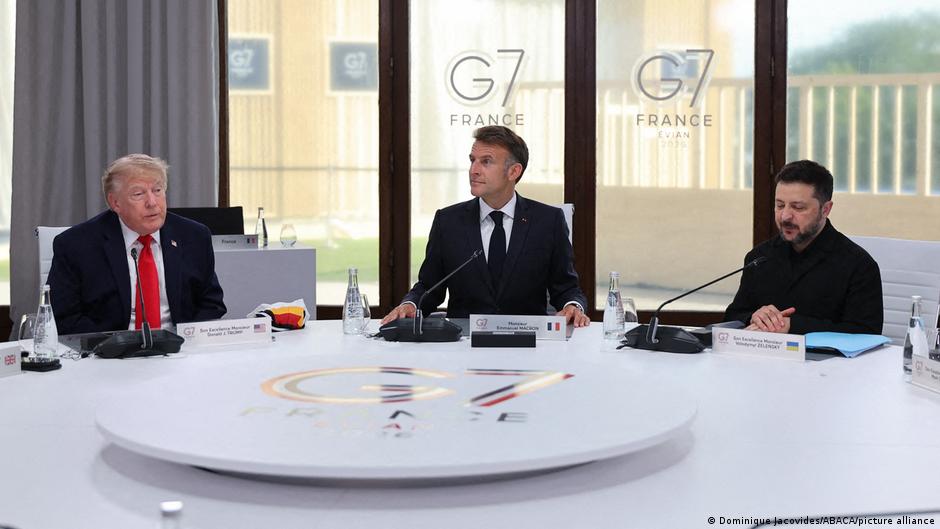
G7 leaders pledge new sanctions targeting Russia's oil and gas sectors and increase military aid to Ukraine, including advanced weaponry and support for domestic arms production.

Ukrainian drone strikes in Russia’s Tula region and Reutov caused civilian casualties and industrial damage, revealing challenges in protecting critical infrastructure amid ongoing conflict.

Rheinmetall signs a €5.7 billion deal with Romania, backed by the EU’s SAFE fund, to supply combat vehicles, air defense systems, and vessels, expanding its Eastern European footprint.

NATO confirms the drone that crashed in Romania is Russian-made, leading to calls for stronger air defenses and diplomatic retaliation amid regional tensions.

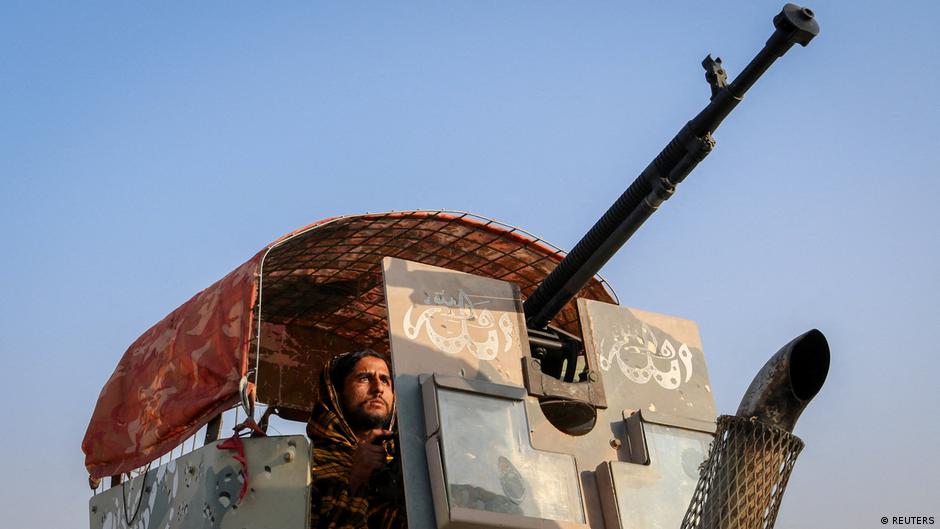
Russia's new military-technical agreement with the Taliban may open arms transfers and reflects Moscow's strategic recalibration in Central Asia.

The EU delays naming a negotiator for Ukraine peace talks, focusing first on defining negotiation goals and reinforcing sanctions against Russia's financial and defense sectors.

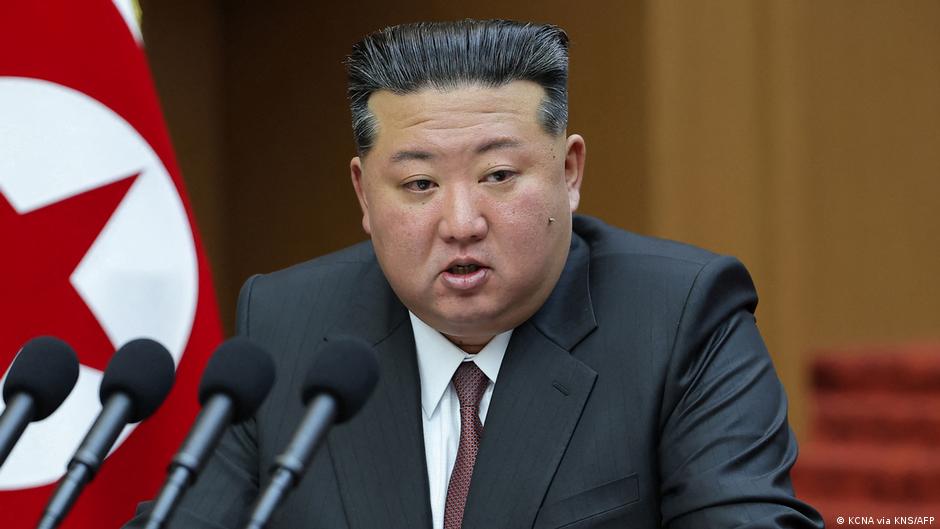
North Korea conducts tactical ballistic, artillery, and AI-guided cruise missile tests as part of a five-year defense modernization plan, signaling enhanced military capabilities.

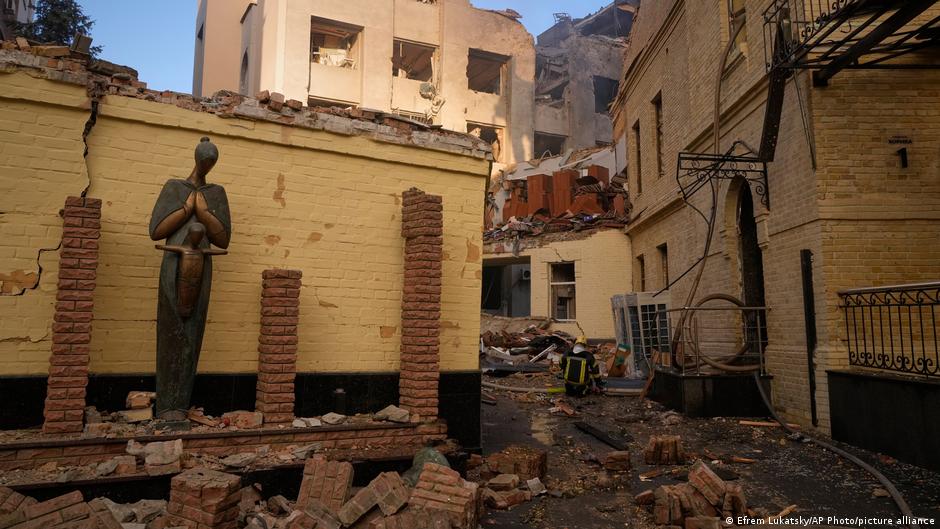
Russian missile attacks on Kyiv damaged 40% of exhibits at the National Museum "Chernobyl," forcing its temporary closure alongside widespread harm to cultural institutions.

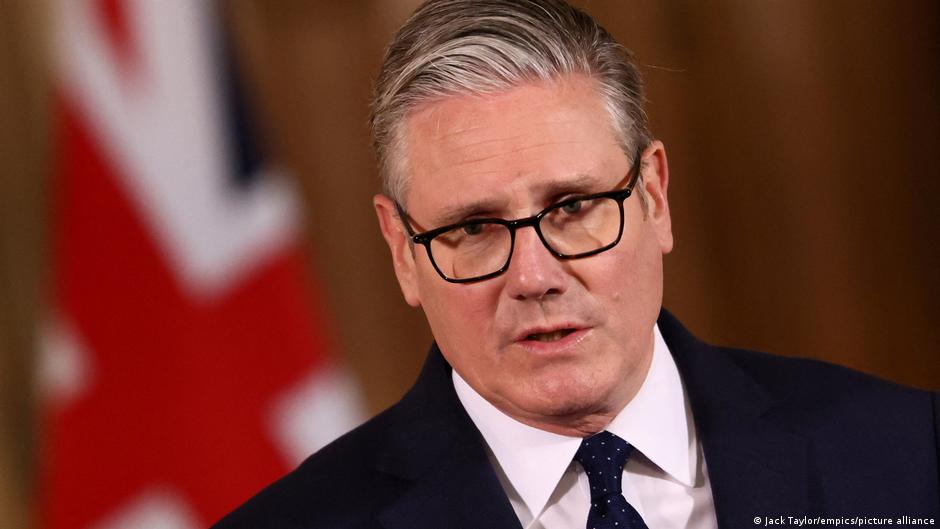
UK Prime Minister Keir Starmer plans an £18 billion defense budget increase amid political crisis, reflecting a strategic shift in national security priorities.

Ukraine imposes sanctions on 32 Russian defense-linked companies and 34 individuals, expanding its strategy to disrupt Russia's military supply chains and extending existing sanctions.

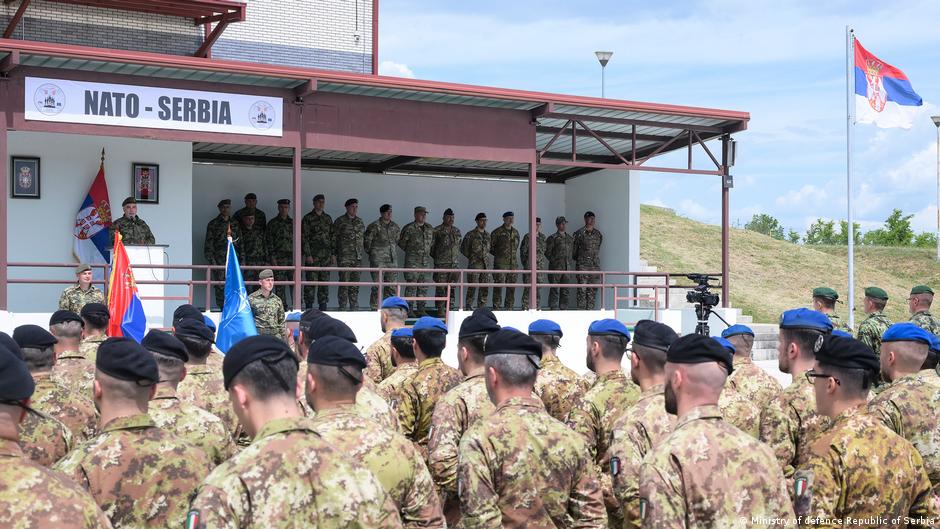
Serbia holds its first joint military exercises with NATO, balancing its policy of neutrality while deepening strategic defense partnerships amid complex regional dynamics.

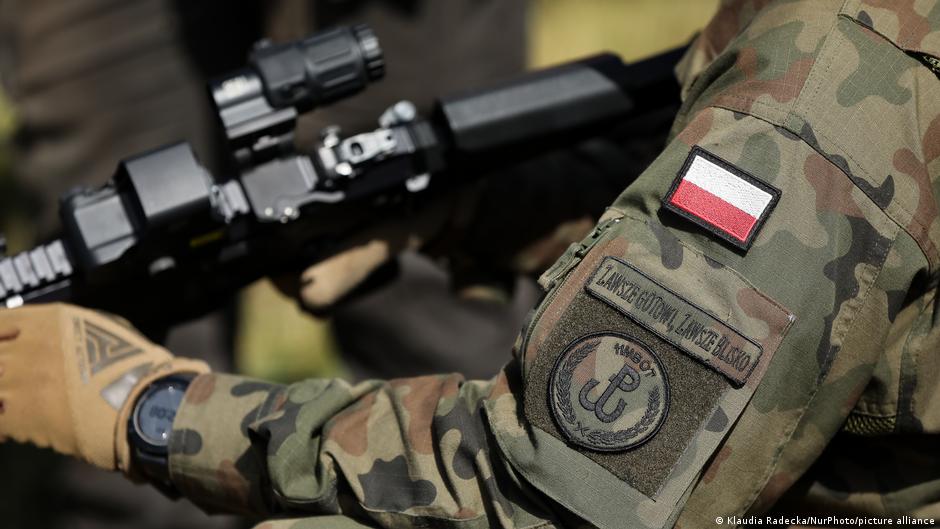
Poland secures a €44 billion EU loan under the SAFE program, marking a major investment to modernize its defense industry despite presidential opposition.

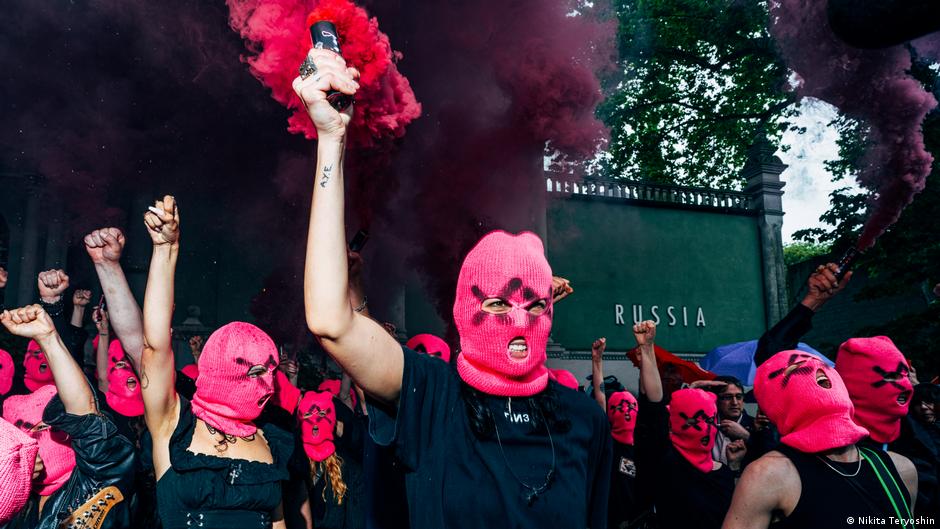
Activists protest Russia's presence at Venice Biennale, spotlighting political prisoners and corporate ties behind the pavilion amid sanctions and conflict.

The UK plans to join the EU's €90 billion loan program for Ukraine, enhancing financial support and defense industry collaboration amid ongoing conflict.

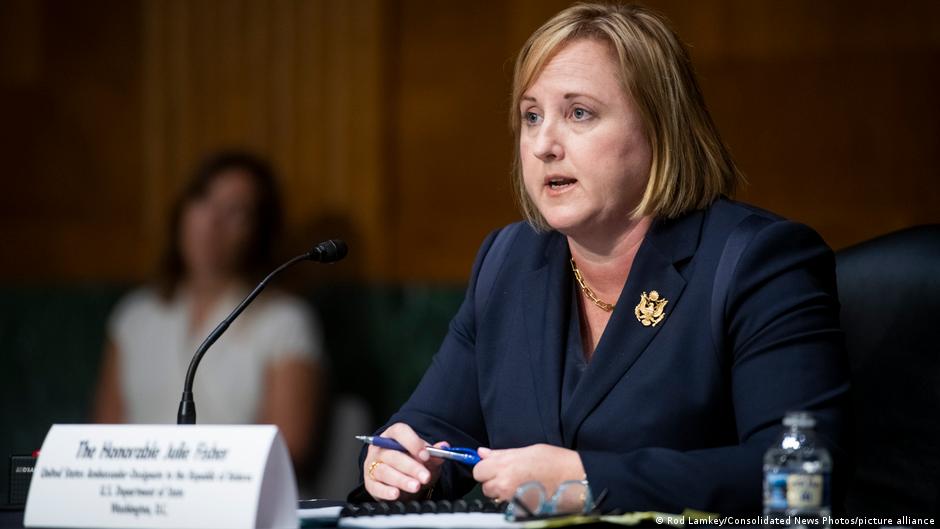
US chargé d’affaires Julie Davis will leave Kyiv amid tensions with the Trump administration and shifting US support policy for Ukraine, raising concerns over diplomatic continuity.

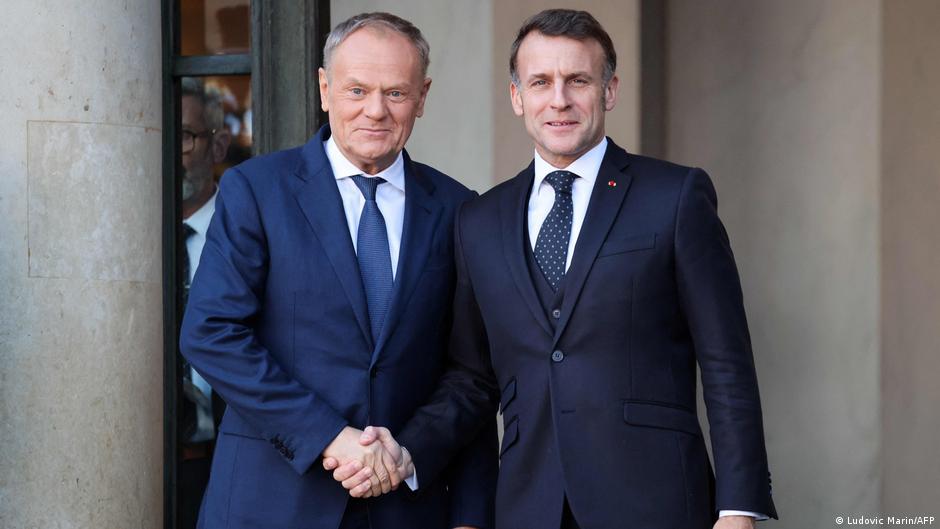
France and Poland announce a joint military satellite project to strengthen EU defense autonomy and reduce reliance on private satellite communications by 2030.