Drone Attacks Impact Russian Industrial Sites Amid Intensified Ukraine Conflict
Ukrainian drone strikes hit residential and industrial areas in Russia, causing fatalities and highlighting vulnerabilities in defense and corporate infrastructure.
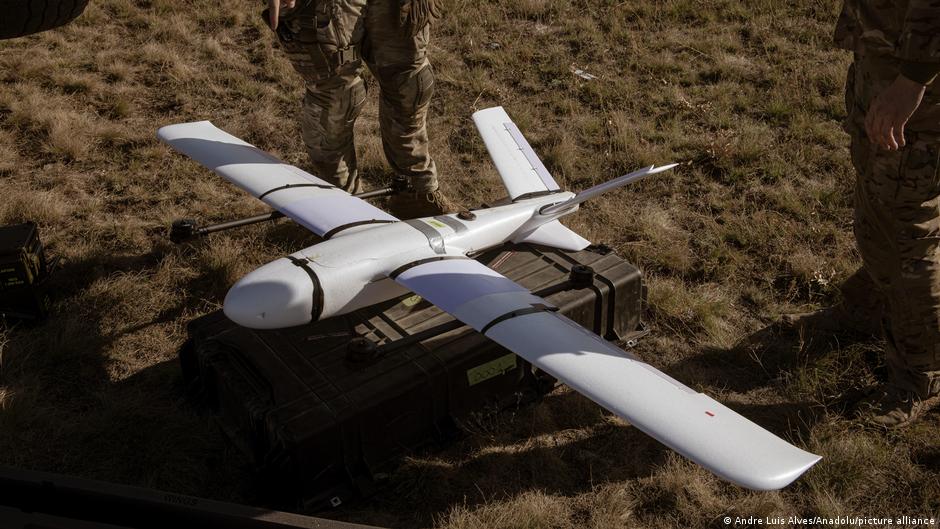
In a significant escalation of cross-border hostilities, Ukrainian unmanned aerial vehicles (UAVs) targeted multiple sites in Russia during the night of June 14-15, with notable impacts in the Tula region and the Moscow suburb of Reutov. These attacks not only resulted in civilian casualties but also affected industrial enterprises, underscoring the complex challenges faced by Russian defense-related companies and local administrations in safeguarding critical infrastructure.
Impact on Tula Region and Reutov Industrial Zones
The governor of Tula region, Dmitry Milyaev, reported that the drone strikes primarily targeted residential areas in several settlements, including Yamny, Maslovo, Mikhalkovo, and Inshinsky. Several private homes and commercial facilities sustained damage, and tragically, three civilians lost their lives while three others, including an infant, required medical attention.
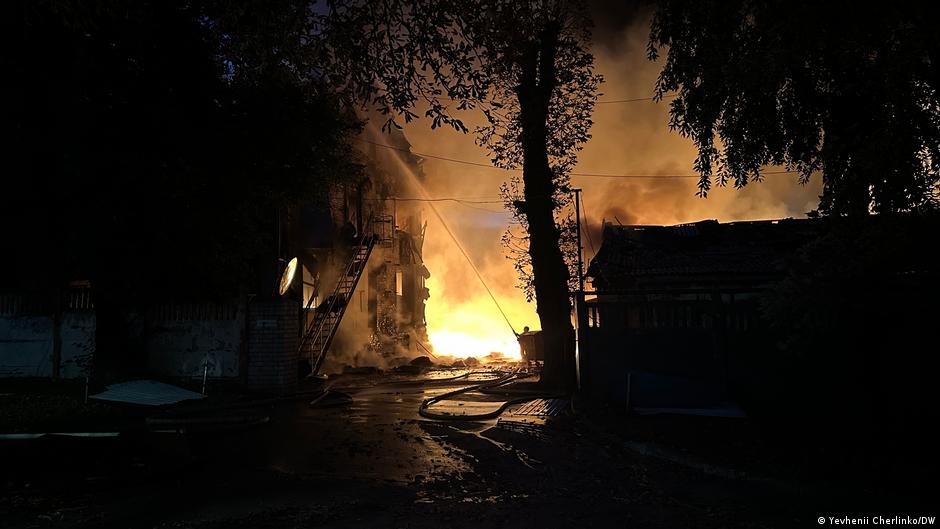
In Reutov, located near Moscow, the UAV assault triggered a fire within a local industrial zone. Initial reports from Ukrainian monitoring sources suggested explosions near the defense industry enterprise "NPO Mashinostroeniya," a key player in Russia’s military-industrial complex. However, subsequent clarifications indicated that the drone actually crashed on the premises of "Mirital," a company specializing in frozen food production, situated approximately 700 meters from the defense plant.
Moscow Mayor Sergey Sobyanin confirmed via social media that the city’s air defenses intercepted four drones during the nighttime attack, highlighting the persistent threat to metropolitan and nearby industrial areas.
"The drone strikes targeting residential and commercial zones reveal critical vulnerabilities in protecting both civilian populations and industrial assets," noted security analysts following the incidents.
Broader Context of the Conflict and Strategic Implications
The drone attacks in Russia coincided with retaliatory Russian missile strikes on Ukrainian cities including Kharkiv and Kyiv. In Kharkiv, at least five people, primarily emergency responders, were killed in secondary attacks while addressing fires caused by initial strikes. Kyiv endured widespread power outages affecting approximately 140,000 residents, and several residential buildings were damaged by drones. Ukrainian authorities reported at least four fatalities and 23 injuries from these attacks.
Significantly, one of the Russian missile strikes targeted the Kyiv Pechersk Lavra, a UNESCO World Heritage site and a symbolically important religious complex. The fire damaged the roof of the Assumption Cathedral, one of the oldest and most revered churches in Eastern Slavic history, drawing international attention to the cultural collateral in the ongoing conflict.
These developments illustrate a multifaceted battlefield where military, industrial, and civilian sectors are increasingly intertwined. For Russian corporations, especially those within the defense sector like NPO Mashinostroeniya, the proximity of civil infrastructure to sensitive production facilities complicates risk management and security protocols. The spillover effects on adjacent commercial enterprises such as Mirital exemplify the broader economic and operational challenges faced by businesses amid escalating hostilities.
From a strategic perspective, the use of UAVs and missile strikes by both sides demonstrates an evolving combat environment where asymmetric tactics aim to disrupt not only military targets but also civilian morale and infrastructure resilience. For corporate leaders and regional administrators, these incidents necessitate a reassessment of emergency preparedness, asset protection strategies, and crisis response frameworks to mitigate escalating operational risks.
As the conflict continues to impact the industrial and civilian landscape, ongoing analysis of management decisions, defense capabilities, and regional cooperation will be critical to understanding the future trajectory of both corporate and regional security in the affected areas.