NATO Confirms Russian Origin of Drone Crashing in Romanian Residential Area Amid Regional Tensions
NATO and Romanian officials identify the downed drone as Russian-made, prompting calls for enhanced air defenses and diplomatic responses.
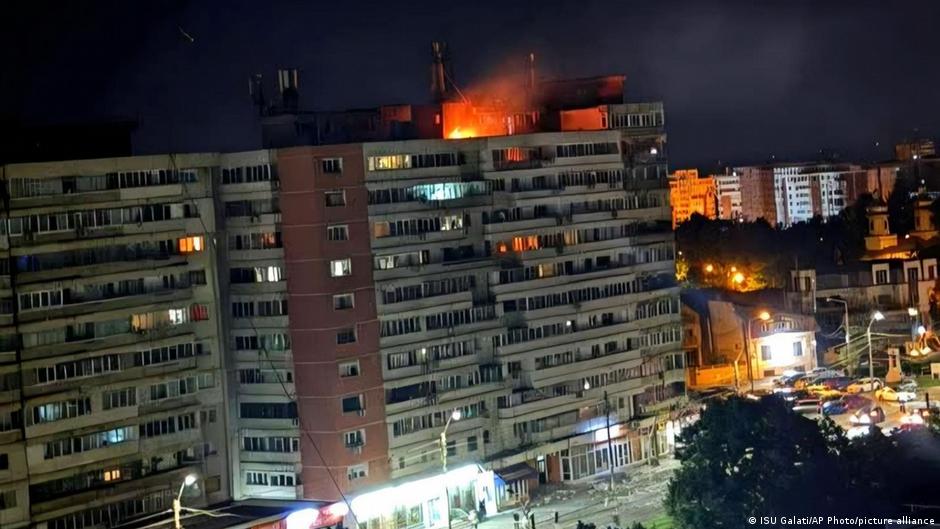
NATO has corroborated Moldova's findings regarding the drone that crashed into a residential building in Romania, confirming that it is of Russian origin. The incident, which occurred in the city of Galati near the Ukrainian border, has raised significant security and diplomatic concerns in the region.
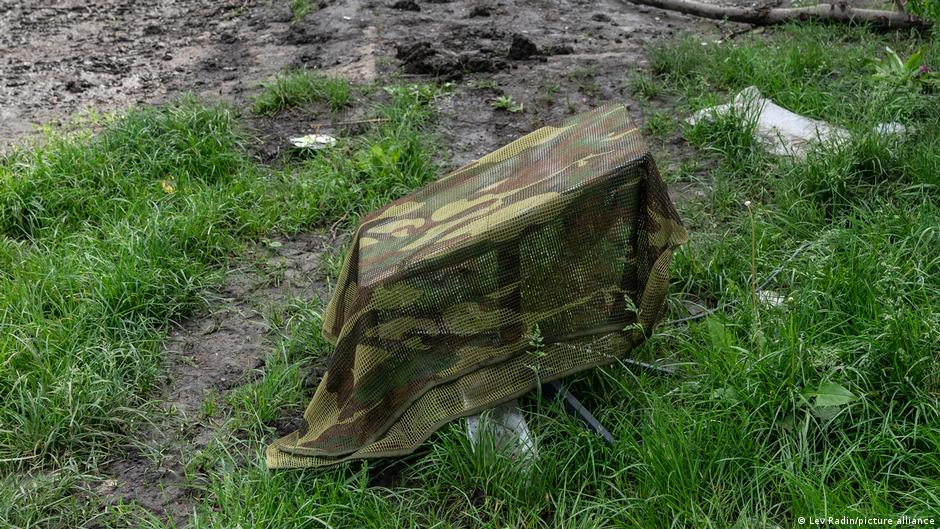
On May 29, a drone collided with a tenth-floor apartment in Galati, igniting a fire and injuring two residents. Romanian authorities quickly attributed the drone to Russian manufacture based on serial numbers found among the wreckage. The Ministry of Defense of Romania confirmed the drone's provenance, with Defense Minister Radu-Dinel Mirutze stating that the serial numbers definitively indicate Russian production.
Strategic Implications and NATO's Response
Martin O’Donnell, a representative from NATO’s Supreme Headquarters Allied Powers Europe (SHAPE), echoed these findings, lending international military credibility to Romania's claims. The alliance has since received a formal request from Bucharest to strengthen air defense capabilities on Romanian soil, citing the incident as a violation of international law and a threat to regional security.
“The responsibility for the strike on the residential building in the border city of Romania clearly lies with Russia,” asserted Romanian President Nicolae Ciucă during a press briefing.
President Ciucă also detailed how Ukrainian air defenses intervened prior to the drone's impact. According to him, Ukrainian forces had targeted several Russian drones entering their airspace. One drone, reportedly shot down near the city of Reni, altered its flight path and subsequently crashed in Galati. This sequence underscores the complex and volatile nature of the airspace along the Romania-Ukraine border.
In the aftermath, Romania took a firm diplomatic stance by declaring the Russian Consul General in Constanta persona non grata and moving to close the Russian consulate, signaling a hardening of bilateral relations.
Broader Context and Russian Response
The incident highlights escalating cross-border risks amid ongoing conflict in Eastern Europe. Romania, a NATO and EU member, is strategically significant due to its proximity to Ukraine and Russia's sphere of influence.
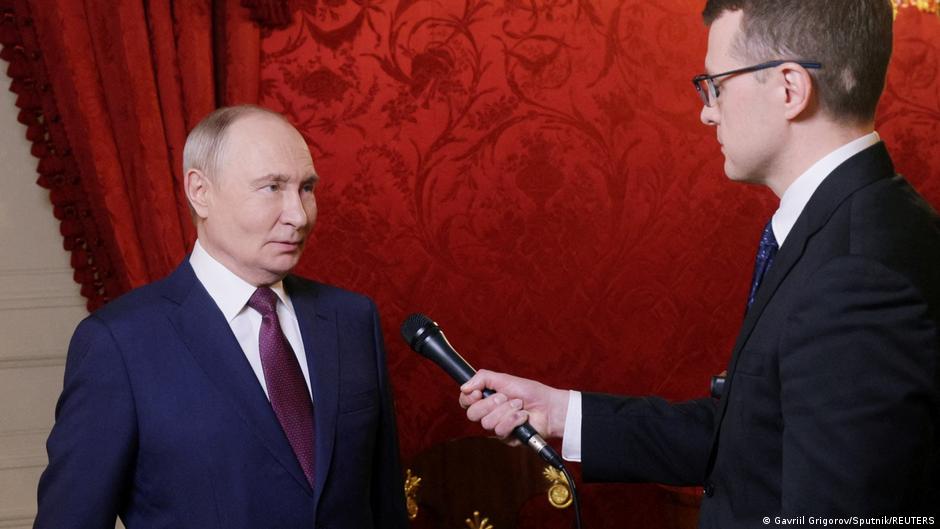
Meanwhile, Russian President Vladimir Putin expressed skepticism about the drone’s Russian origin during a press conference in Astana. He emphasized that definitive conclusions require thorough forensic examination and cautioned against premature assessments.
This event illustrates the increasingly blurred lines between territorial sovereignty and proxy conflicts, emphasizing the importance of robust air defense systems and clear strategic communication among NATO allies. It also raises questions on how NATO will calibrate its military posture in Eastern Europe in response to such provocations.
For corporate strategists and defense industry stakeholders, the incident may prompt reassessments of procurement priorities, especially in unmanned aerial systems (UAS) detection and countermeasure technologies. Additionally, geopolitical tensions of this nature can impact international defense collaborations and defense contractor market dynamics in the region.