North Korea Advances Missile Capabilities with Tactical and Precision Rocket Tests
Pyongyang conducts ballistic, artillery, and AI-guided cruise missile tests to enhance its military modernization strategy
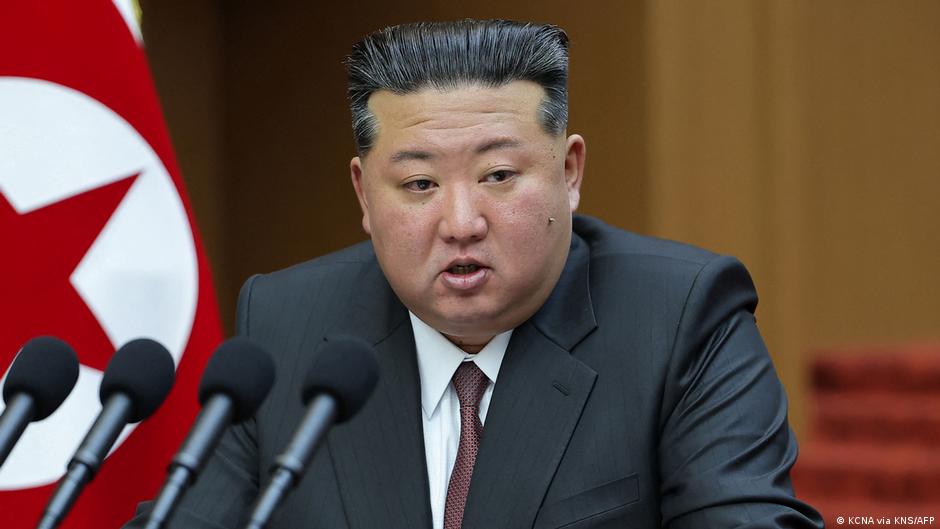
North Korea has recently conducted a series of missile tests showcasing its expanded military capabilities, including tactical ballistic missiles, artillery rockets, and highly precise cruise missiles. These launches were observed firsthand by the country's leader, Kim Jong Un, who publicly expressed significant satisfaction with the results.
Strategic Implications of North Korea's Missile Modernization
The tests, which took place on May 26 and were reported by Pyongyang's state news agency, represent a critical component of a broader plan to modernize the nation’s artillery and missile forces over a five-year timeline. According to South Korean defense monitoring, multiple short-range ballistic and artillery missiles were launched toward the Yellow Sea from the Chonju area in North Pyongan Province.
Kim Jong Un characterized the missile tests as a clear demonstration of the country’s military superiority and an indicator of growing combat potential. Of particular note was the tactical cruise missile, which is slated for deployment within long-range artillery units positioned near the southern border.
"The missile’s integration of multiple navigation systems, including terrain contour matching and artificial intelligence guidance, enables it to strike any target within a 100-kilometer radius with exceptional precision," a North Korean state report detailed.
This advanced navigation suite signals a significant leap in missile technology, blending artificial intelligence with traditional guidance systems to improve targeting accuracy and battlefield effectiveness.
From a strategic business perspective, these developments highlight North Korea’s focus on enhancing its defense manufacturing and technological capabilities amid ongoing geopolitical tensions. The emphasis on precision-guided munitions suggests a shift towards more sophisticated weapon systems, potentially aimed at increasing deterrence and leveraging asymmetric warfare advantages.
For the defense industry and international security analysts, these advancements may affect regional security dynamics and influence future military procurement and countermeasures in Northeast Asia. The growing capabilities also underscore Pyongyang’s intent to sustain and possibly expand its defense production infrastructure, which could have implications for state resource allocation and military-industrial strategy.
Overall, North Korea’s missile tests demonstrate a calculated effort to bolster its military posture through technological innovation and strategic deployment, reinforcing its competitive stance in the region’s complex security environment.