Damage to Kyiv’s Chernobyl Museum Highlights Impact of Russian Strikes on Ukraine’s Cultural Assets
Russian missile attack resulted in destruction of 40% of exhibits at Kyiv’s National Museum Chernobyl, forcing temporary closure amid broader cultural sector damage.
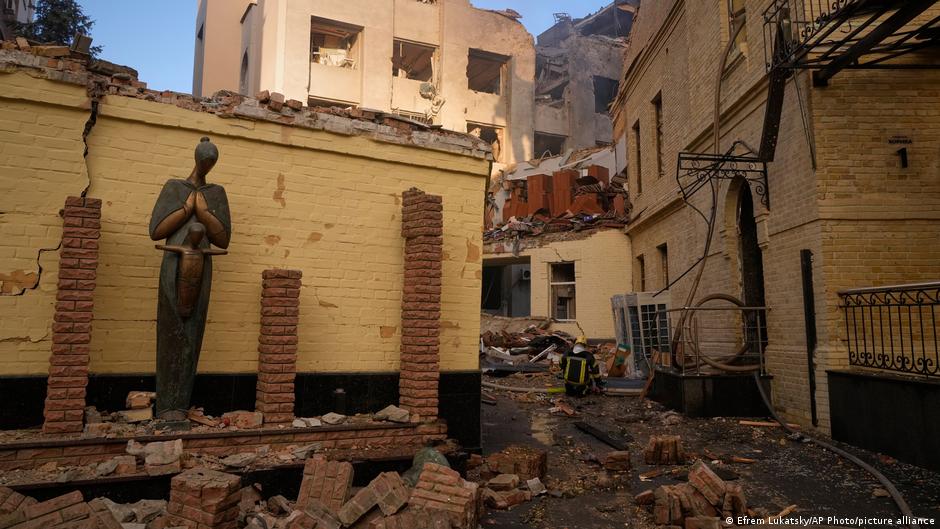
On the night of May 24, Kyiv suffered one of the most extensive missile attacks since the beginning of the ongoing conflict with Russia, causing significant damage to critical cultural institutions in the city. Among the hardest hit was the National Museum "Chernobyl," which preserves the memory and legacy of the 1986 nuclear disaster.
The missile strike resulted in approximately 40% of the museum’s exhibits being destroyed, according to Ukrainian authorities. The attack severely damaged the museum building, sparking an internal fire and causing partial collapse of suspended ceilings. Due to the extent of the damage, the museum has been forced to suspend operations temporarily.
Preservation Efforts Amid Crisis
Immediately following the attack, rescue teams and museum staff coordinated efforts to evacuate surviving artifacts and protect valuable collections. Notably, items from the museum’s storage, a painting by renowned Ukrainian artist Maria Prymachenko, and the Ukrainian flag raised at the Chernobyl nuclear power plant after its 2022 liberation were saved.
"Rescue workers and museum employees promptly evacuated exhibits after the strike, successfully preserving key cultural and historical artifacts," stated Ukraine’s Ministry of Internal Affairs.
The National Museum "Chernobyl" had only recently reopened in late April after undergoing a comprehensive restoration process aimed at enhancing its role in educating visitors about the nuclear tragedy and its consequences.
Wider Impact on Kyiv’s Cultural and Urban Infrastructure
Ukraine’s Minister of Culture, Tetiana Berezhna, characterized the May 24 attack on Kyiv as the most extensive to date in terms of damage to cultural institutions. In addition to the Chernobyl museum, the National Art Museum, National Philharmonic, National Music Academy, Yaroslav Mudryi Library, and Kyiv Opera all sustained damage. Various other cultural venues, including Hinaus cultural space, Ukrainian House, Kyiv Small Opera, and Zhytniy Market, also suffered damage.
Architectural heritage sites such as the Contract House and Postal Station were affected, compounding the cultural loss. Media offices including those of Deutsche Welle and ARD were hit, along with residential buildings and a shopping center.
The human toll included at least four fatalities and over 80 injuries across Kyiv and the Kyiv region. The scale of the attack was underscored by Ukrainian Air Force reports indicating that Russian forces launched 90 missiles and deployed 600 unmanned aerial vehicles targeting Kyiv and nearby Bila Tserkva.
Of particular note was the Russian military’s use of the medium-range ballistic missile "Oreshnik" against Bila Tserkva, marking its third recorded deployment since the war’s onset. The Russian Ministry of Defense claimed strikes on military command posts, airbases, and defense industry enterprises, while Kyiv regional authorities reported damage to a garage cooperative and industrial buildings in Bila Tserkva.
Ukrainian President Volodymyr Zelensky condemned the attacks, highlighting the indiscriminate destruction of civilian infrastructure such as water supply facilities, markets, residential buildings, and schools. He criticized the use of the "Oreshnik" missile against civilian targets as evidence of reckless and irrational aggression.
Implications for Cultural Preservation and National Resilience
The attack on the National Museum "Chernobyl," a key institution documenting one of the most significant events in Ukraine’s modern history, represents a targeted blow to the country's cultural memory and identity. It underscores the vulnerability of cultural assets in conflict zones and raises critical questions about the preservation strategies and resilience planning for museums and heritage sites amid ongoing hostilities.
For corporate stakeholders, such as cultural foundations, restoration contractors, and insurance firms specializing in heritage protection, the incident highlights the increasing challenges and risks in operating within conflict-affected regions. Strategic considerations related to asset protection, crisis response coordination, and engagement with government authorities become paramount.
Furthermore, the extensive damage to Kyiv’s cultural infrastructure could have long-term economic repercussions, affecting tourism, public morale, and international cultural cooperation. The restoration and rebuilding efforts will require substantial investment and strategic management to restore these institutions’ operational capabilities and public trust.