CIA Director Highlights Devastating Impact of AI Drone Warfare on Russian Soldiers in Ukraine
The average survival time of Russian conscripts on the battlefield has dropped to 20-30 minutes due to advanced AI drone technology, reshaping conflict dynamics.
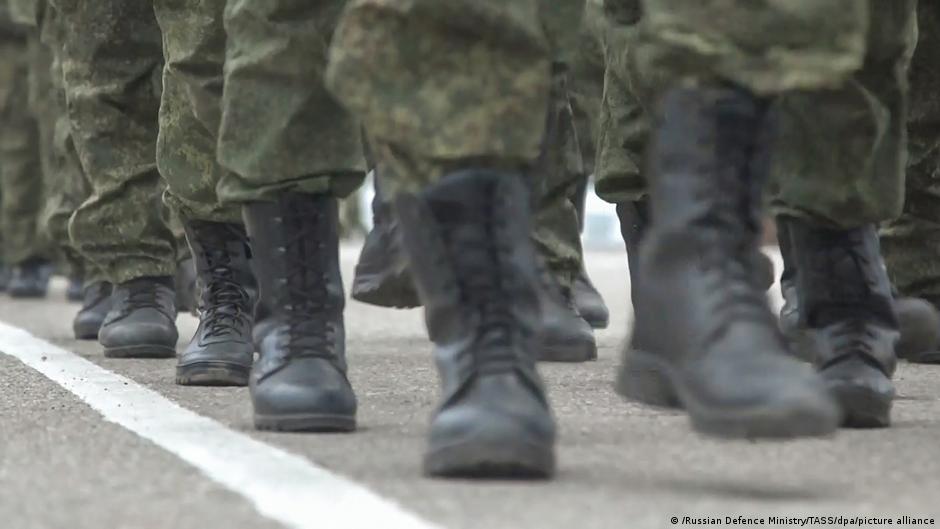
John Ratcliffe, Director of the Central Intelligence Agency (CIA), revealed at a defense and innovation summit in Pennsylvania that the average lifespan of a Russian conscript soldier on the battlefield in Ukraine is approximately 20 to 30 minutes. This stark statistic underscores the profound effect that the integration of artificial intelligence (AI) in drone technology has had on the ongoing conflict.
Ratcliffe emphasized that intelligence assessments align with open-source reports emerging from Ukraine, confirming the rapid casualty rate among Russian troops. He attributed this grim reality largely to the proliferation of affordable, AI-powered unmanned aerial vehicles (UAVs), which have become specialized and efficient "killing machines" on the battlefield.
AI Drone Technology as a Force Multiplier in Ukraine's Defense
According to Ratcliffe, Ukraine's effective adoption and utilization of AI drone technology have significantly leveled the playing field. This technological edge has contributed to slowing the advance of the Russian military forces, signaling a shift in the competitive landscape of modern warfare.
"Drones equipped with artificial intelligence have become specialized and inexpensive killing machines," Ratcliffe stated, highlighting a key factor that has drastically reduced the survivability of Russian soldiers.
Supporting this assessment, analysts from the Center for Strategic and International Studies (CSIS) reported a dramatic increase in Russian military casualties. Their research indicates that by 2026, Russian forces are sustaining losses at eight times the rate of the Ukrainian Armed Forces. This disparity marks a significant escalation from earlier in the conflict when casualty ratios ranged from 2:1 to 3:1.
CSIS data estimate approximately 2 million total casualties since the conflict escalated in February 2022, including those killed, wounded, or missing in action, with about 1.4 million attributed to Russian forces. Notably, over 90% of Russian losses are reportedly due to drone strikes rather than traditional combat engagements.
This shift in combat dynamics underscores the transformative role of AI-enabled unmanned systems in asymmetric warfare. For corporate strategists and defense industry stakeholders, the rapid evolution and deployment of such technologies represent both a challenge and an opportunity. Companies involved in AI, robotics, and surveillance systems are likely to see increased demand for advanced military-grade UAVs and counter-drone technologies.
From a broader perspective, the Russian military's inability to adapt effectively to this technological shift exposes vulnerabilities in traditional force structures and highlights the importance of innovation in defense capabilities. The Ukrainian example demonstrates how integrating AI and unmanned systems can serve as a force multiplier and alter the trajectory of conventional military operations.
As the conflict continues, the competitive landscape within the defense sector is poised for significant disruption. Strategic decision-makers and investors would do well to closely monitor developments in AI drone warfare, as these advancements will shape future conflict zones and defense procurement policies globally.