Serbia Hosts First Joint Military Exercises with NATO Amid Strategic Neutrality
Serbia conducts inaugural joint drills with NATO forces, balancing military neutrality with partnership and regional dynamics.
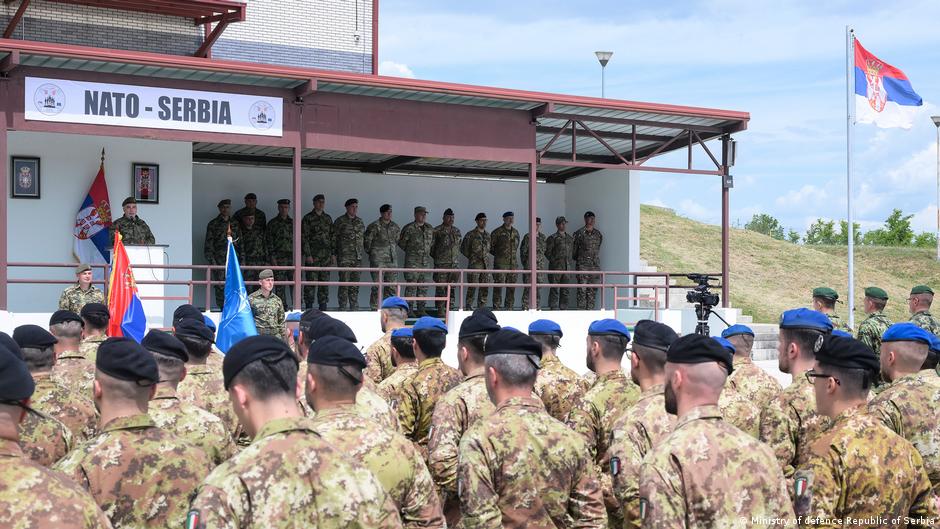
In a historic development, Serbia is hosting joint military exercises with NATO forces for the first time, marking a significant milestone in the country's defense and diplomatic posture. The drills, named "NATO - Serbia," are conducted under the framework of NATO's Partnership for Peace program and involve around 600 troops from Serbia, Italy, Romania, Turkey, and observers from other NATO countries including Germany.
Strategic Implications of Serbia’s NATO Collaboration
The exercises, held at the Borovac training ground near the city of Bujanovac in central Serbia, are scheduled to continue until May 23. Organized jointly by the Serbian Land Forces Command and NATO’s Allied Joint Force Command Naples, this marks unprecedented direct military cooperation between Serbia and NATO.
"These are important exercises. Serbia is the host country, and the drills are conducted in full compliance with Serbia’s policy of military neutrality," stated a NATO representative, emphasizing the delicate balance Serbia maintains in its defense strategy.
Serbia’s decision to engage in joint exercises with NATO while maintaining a declared policy of military neutrality reflects a nuanced approach to regional security and international partnerships. Unlike many of its Balkan neighbors, Serbia is not a NATO member but has participated in the Partnership for Peace program for nearly two decades. This involvement allows Serbia to benefit from military cooperation and training without formal alliance commitments.
The partnership with NATO coexists with Serbia’s historically strong relations with Russia, highlighting the country’s strategic positioning between East and West. The ongoing exercises demonstrate Serbia’s intent to modernize and professionalize its armed forces through diversified international cooperation while carefully managing geopolitical sensitivities.
Context and Challenges in the Balkan Security Landscape
Such cooperation is particularly noteworthy given the complex legacy of NATO-Serbia relations. The 1999 NATO bombing campaign against Serbia during the Kosovo conflict remains a sensitive issue domestically. Kosovo continues to operate under a NATO-led international peacekeeping mission, KFOR, which Serbia does not recognize as an independent state. Consequently, military cooperation with NATO entails navigating significant historical and political challenges.
The joint exercises serve multiple strategic purposes: enhancing interoperability with NATO forces, signaling Serbia’s commitment to regional stability, and positioning itself as a reliable partner without compromising its official neutrality. For Serbia's defense management, these maneuvers provide an opportunity to evaluate operational capabilities, command structures, and logistics alongside experienced NATO forces.
Moreover, these drills occur amid broader shifts in the Balkans' geopolitical landscape, where competing influences from NATO, the European Union, and Russia shape national security policies. Serbia's engagement in these exercises could be interpreted as a pragmatic effort to hedge bets and maximize security cooperation options.
From a corporate and governmental management perspective, the exercises may influence defense procurement strategies, military modernization programs, and defense industry partnerships. Enhanced NATO coordination could open pathways for adopting NATO standards and technologies, impacting Serbia's defense sector and related economic activities.
In sum, Serbia’s first joint military exercises with NATO represent a carefully calibrated step in its defense and foreign policy strategy, blending neutrality with active partnership to navigate a complex competitive environment in the Balkans.