The Economist Highlights Ukraine's Strategic Shift in the Russia Conflict
Ukraine appears to have seized the initiative from Russia by intensifying deep strikes and regaining lost territories, signaling a major shift in conflict dynamics.
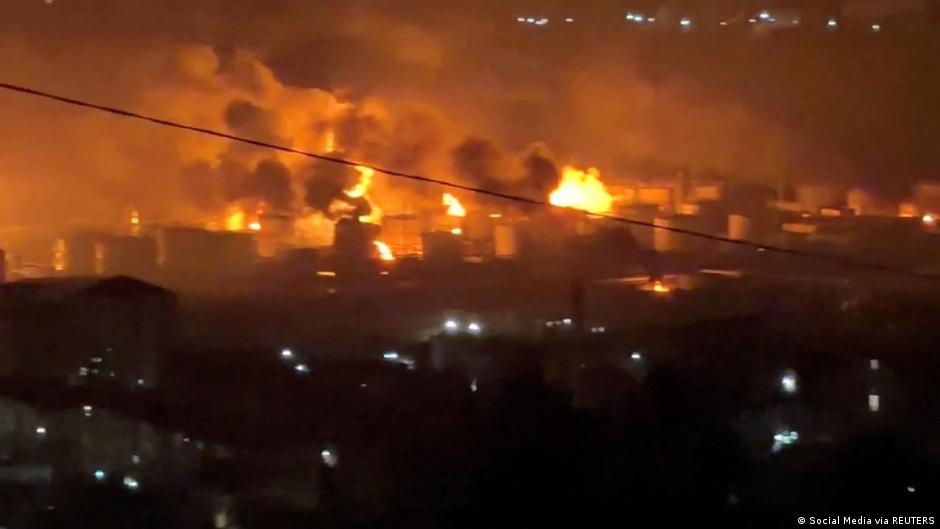
According to a recent analysis by The Economist, Ukraine has made a significant strategic shift against Russia in the ongoing conflict, gaining the initiative for the first time in three years. This development is marked by an increase in the scale, range, and intensity of Ukrainian operations targeting deep inside Russian territory.
In April 2026, Russian forces reportedly lost more territory than they were able to capture, a reversal not seen since August 2024 when Ukrainian forces took control of part of Russia's Kursk region. The Economist used data from the US-based Institute for the Study of War (ISW) to estimate that Russia relinquished control over approximately 133 square kilometers during the past month.
Ukraine's Expanding Operational Reach and Impact
The publication emphasizes that Ukraine's offensive capability has notably increased, particularly with the use of long-range drones. In March, Ukraine exceeded Russia in the number of drone strikes launched deep into Russian territory. Targets include both economic infrastructure and military installations located nearly 2,000 kilometers from the Ukrainian border. This expanded reach places nearly 70% of the Russian population within potential drone strike range.
"Almost every action by Ukraine inflicts increasingly significant damage on Russia," the analysis states, highlighting the strategic momentum now favoring Kyiv.
The operational progress comes after a harsh winter during which Ukrainian cities and their energy systems faced relentless nightly drone and missile attacks from Russia. Despite these challenges, Ukraine appears to be turning the tide decisively.
Casualty and Conflict Dynamics
The human cost of the conflict remains staggering. Since the full-scale invasion began, Russia is estimated to have suffered approximately 1.4 million killed or severely wounded personnel, with military losses averaging 35,000 monthly. This attrition further strains Russian military capabilities.
Experts such as Sir Lawrence Freedman, Honorary Professor at the Royal College of Defence Studies in London, stress that the coming months will be critical in determining whether Russia can respond effectively to Ukraine's advances, particularly regarding drone warfare and the potential buildup of forces for a summer offensive.
Geopolitical and Diplomatic Context
Reflecting the shifting conflict landscape, European Union Foreign Policy Chief Josep Borrell noted on May 11 after a meeting of EU foreign ministers in Brussels that Ukraine is currently in a much stronger position than a year ago. Conversely, Russian President Vladimir Putin is assessed to be in a weaker position than ever before. This diplomatic appraisal aligns with the observed military developments on the ground.
These assessments underscore a broader competitive shift in the conflict’s strategic landscape, highlighting Ukraine’s growing operational sophistication and Russia’s challenges in maintaining control.
The evolving dynamics suggest a redefinition of corporate and defense strategies for stakeholders involved in defense industries, geopolitical risk analysis, and international security policymaking, as Ukraine leverages technological advancements to alter the balance of power.