Russia Signs Military-Technical Cooperation Agreement with Taliban Amid Strategic Realignments
The new Russia-Taliban military-technical pact could influence arms transfers and reshape regional security dynamics.
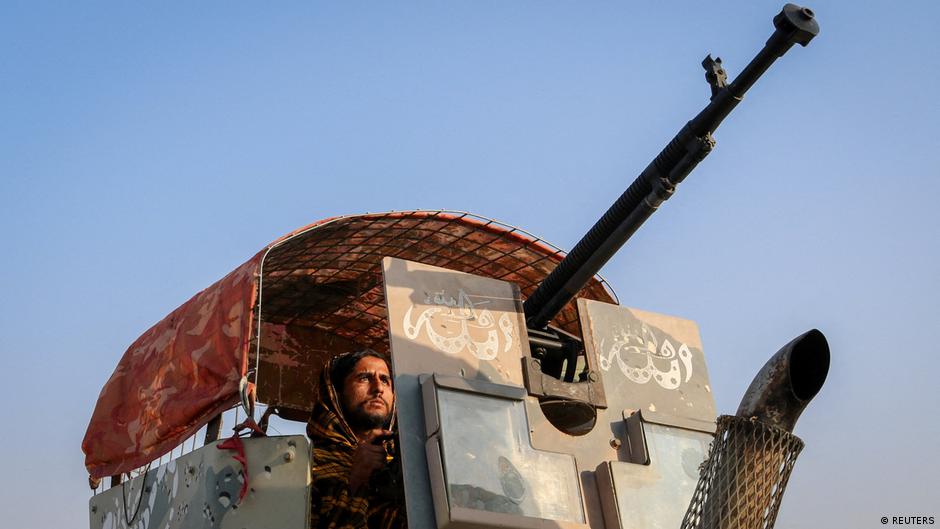
Russia has officially signed a military-technical cooperation agreement with the Taliban, the Islamist radical movement currently governing Afghanistan. The agreement, inked during the International Security Forum near Moscow, marks a significant development in Moscow's strategic engagement in Central Asia and has potential implications for arms transfers, technology sharing, and regional geopolitical balance.
Details and Context of the Agreement
The agreement between Russia and the Taliban was announced on May 27, following private discussions on the sidelines of the forum. Although the specific provisions remain undisclosed, such accords traditionally encompass mutual exchanges of military hardware, licenses for weapons production, and collaborative development of defense technologies.
According to expert analysis, this pact could open pathways for Russia to supply the Taliban with Russian-origin weaponry and technical support, potentially bolstering the group’s military capabilities. However, some analysts view the deal as largely symbolic, highlighting the absence of concrete operational frameworks or deep defense collaboration to date.
"Realistic prospects for serious military cooperation between Russia and the Taliban are limited," noted regional expert Ruslan Suleimanov, emphasizing the primarily diplomatic nature of the agreement.
Strategic Implications and Regional Impact
The agreement follows a high-profile meeting between Russian Security Council Secretary Sergey Shoigu and Afghanistan’s Defense Minister Mohammad Yaqoob, who is also the son of the Taliban’s founder, Mullah Mohammed Omar. During talks, Yaqoob emphasized expanded bilateral ties, while Shoigu urged Western powers to unfreeze Afghanistan's assets and invest in the country’s reconstruction.
Russia’s engagement with the Taliban aligns with its broader strategic objectives in Central Asia. Since the Taliban’s return to power in 2021 post-US withdrawal, Moscow has cautiously repositioned itself, officially recognizing the Taliban by removing the group from its terrorism list in 2025 and accepting the Taliban’s ambassador in Moscow.
From a business and defense industry perspective, the pact could facilitate Russia’s arms exports and extend its influence in Afghanistan’s emerging security architecture. This relationship may also offer Russia leverage against Western influence in the region, although it carries reputational and geopolitical risks given the Taliban’s contested international status.
It’s noteworthy that other key regional and global actors maintain differing stances on the Taliban; for example, Tajikistan, Turkey, and Canada continue to designate the Taliban as a terrorist organization, underscoring the complexity of Moscow’s strategic calculations.
Corporate and Defense Sector Considerations
For Russia’s defense manufacturers, the agreement may present new opportunities for contracts and supply chains, particularly in light of international sanctions and the search for alternative markets. However, the opaque nature of the deal and ongoing security challenges in Afghanistan may complicate these prospects.
Overall, Moscow’s military-technical cooperation pact with the Taliban exemplifies its pragmatic approach to expanding influence and securing strategic interests in a volatile region, while navigating the complexities of international diplomacy and defense economics.